Sub-Saharan Africa
The future of Africa is often regarded in a strangely unimaginative and pessimistic way. Yet Africa today is full of diversity, economic potential and innovative development.
However, the continent faces numerous challenges. As a liberal foundation, we believe that sustainable development depends on strong democratic institutions. Through our activities, we therefore promote liberal policies such as human rights, the rule of law, innovation, digitalisation and free trade.
From our offices in Johannesburg, Cape Town, Nairobi, Abidjan and Dakar, we support partners in several African countries in advocating liberal values and implementing democratic structures.
News
-
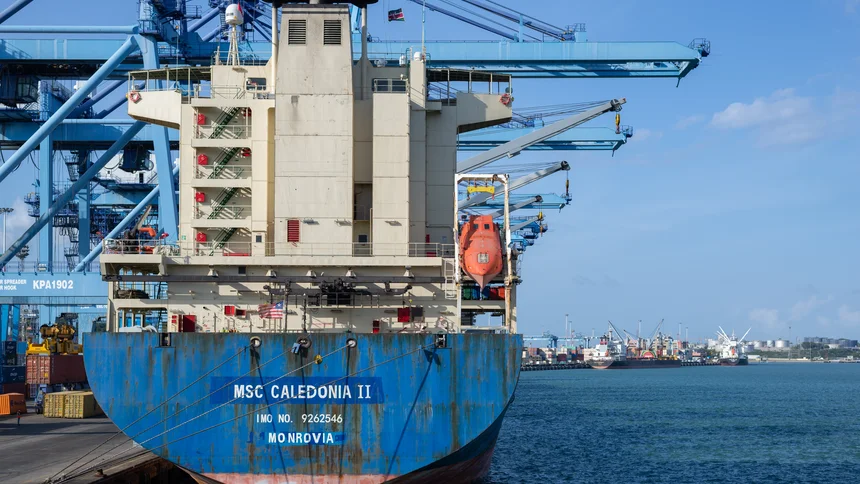
A bet gone wrong, the odds have shifted
Kenya’s Lamu Port sat idle for years. Now, the Hormuz blockade has brought it unexpected business, and caught Germany’s attention as it weighs new routes, partners and opportunities in East Africa.
-
When dissent becomes a crime
Venâncio Mondlane’s trial raises concerns over shrinking democratic space in Mozambique, as protest, dissent and political opposition increasingly risk being treated as threats to the state.
-
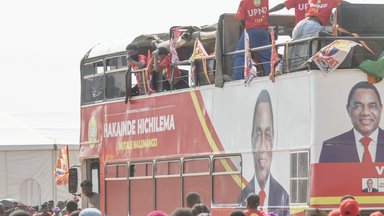
Are Zambia’s election reforms built for the people?
Do Zambia’s electoral reforms strengthen democracy or merely regulate it? The real test is whether they protect citizens’ rights, participation, representation and trust.
-
Zimbabwe’s young innovators bring home grown breakthroughs to the global stage
Fifteen innovators turned Zimbabwe’s everyday challenges into breakthrough ideas. Winner Anesu Mukuwane now takes her post-harvest solution from Harare to the Falling Walls Global Finale in Berlin.
-
East Africa must not slide into total authoritarianism
Martha Karua warns that East African governments are criminalising dissent, after Uganda deported her and barred her from joining Kizza Besigye’s legal defence.
-
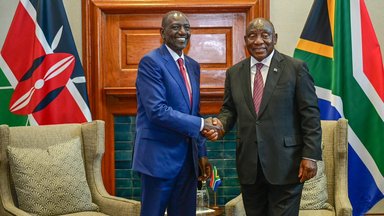
Nairobi and Pretoria are seeking a partnership with real economic substance
President Ruto’s South Africa visit shifts focus from ceremony to citizens: freer trade, mobility and AfCFTA must deliver real opportunities for entrepreneurs, youth and communities in both nations.
-
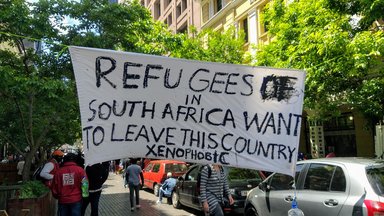
The battle that keeps haunting South Africa
South Africa’s anger over jobs, crime and services is real. But scapegoating migrants betrays Freedom Day’s promise: dignity, rights, rule of law and better answers than populist blame.


-
A German-African story of liberal ideas and action
A new historical installation in our Johannesburg Engine Room traces more than a century of liberal thought, political education and democratic partnership, from Germany’s early liberal movements to the people and institutions advancing freedom across Sub-Saharan Africa today.
-
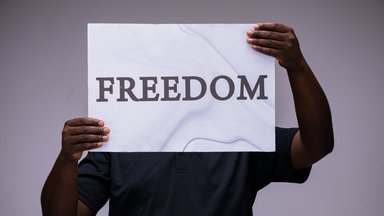
Hundreds of young Africans share with us what freedom means to them
Hundreds of young Africans share with us what freedom means to them, in poems, paintings, videos and more. Meet the 2026 Liberal Youth Competition winners.
-
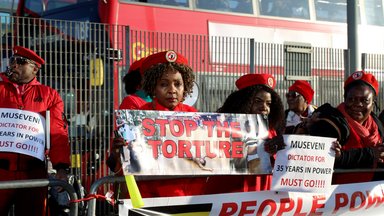
Implications of the recently passed Protection of Sovereignty Bill
Museveni’s Protection of Sovereignty Bill risks silencing critics, crippling civil society, and pushing Uganda toward deeper autocracy under the guise of defending national sovereignty.
-
FNF Sub-Saharan Africa Launches Liberal Youth Competition Series
Young Africans are invited to share their ideas on freedom, democracy and liberal values through quizzes, poetry, video, social storytelling and art. Win a Nubia or Vivo smartphone.
-
Hope and challenges for Eastern Congo
Hope and challenges in Eastern Congo; A Berlin panel explored conflict colonial legacies resources and local peacebuilding showing why Congolese resilience deserves active European support.
-
Petrol pump, fertiliser, dilemma
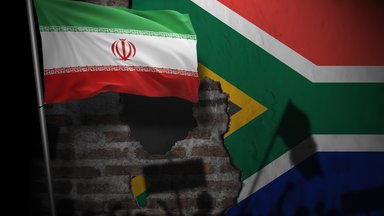
Iran’s Hormuz blockade is hitting South Africa hard, exposing its fuel, fertiliser and LNG import dependence as petrol and food prices rise, revealing deeper structural vulnerabilities.
-
Why South Africa’s future depends on the law, not mob justice
Johannesburg unrest exposes rising populism and xenophobia. As protests grow, South Africa faces a critical choice: uphold the rule of law or risk deeper division through fear, failure, and mob justice.
-
Inside South Africa’s Democratic Alliance, its democratic rise and lessons for Kenya
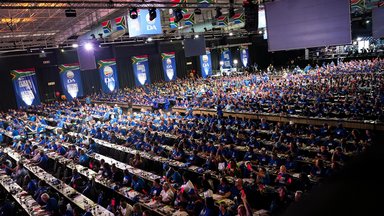
As democracy faces mounting pressure, leaders from Kenya, Germany and Ghana gathered in South Africa to explore how parties can govern effectively while preserving identity, strengthening institutions and sustaining public trust.


Social Media
-
17
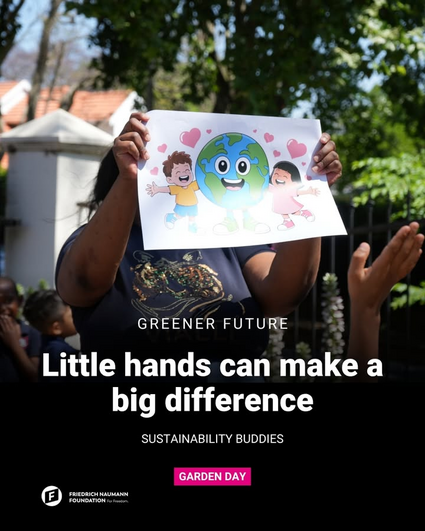
🌱 Little hands, big lessons! Today marked our third Garden Day at the FNF Africa regional office in Parkview, Johannesburg, where we welcomed Grade R learners from a nearby school for a day of planting, recycling, composting and exploring nature. Our Parkview office is set up with a sustainability conscious outlook and a strong connection to nature. Garden Day brings that commitment to life by helping children understand that caring for our planet can begin with small, everyday actions. There were tiny goggas, muddy hands, plenty of laughter and many curious questions. Most importantly, there were valuable lessons that we hope will keep growing. 🌍🌿💚 #GardenDay #Sustainability #FreedomInProgress
-
4
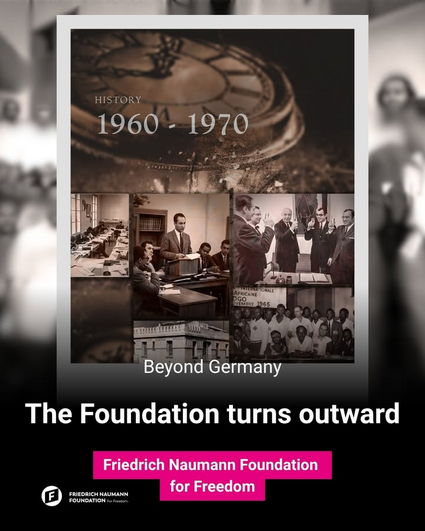
In the 1960s, the Friedrich Naumann Foundation began taking its work beyond Germany. Across Africa, it formed early partnerships focused on civic education, leadership development and democratic participation. The work was not simply about bringing German ideas to Africa, but about working with African institutions and leaders responding to their own societies. These partnerships laid the foundation for cooperation that continues today. Explore the full German–African journey: https://www.freiheit.org/sub-saharan-africa/german-african-story-liberal-ideas-and-action How has international cooperation shaped your liberal journey? Share your story and tell us what the future of liberalism should look like. #FreedomInProgress
-
6
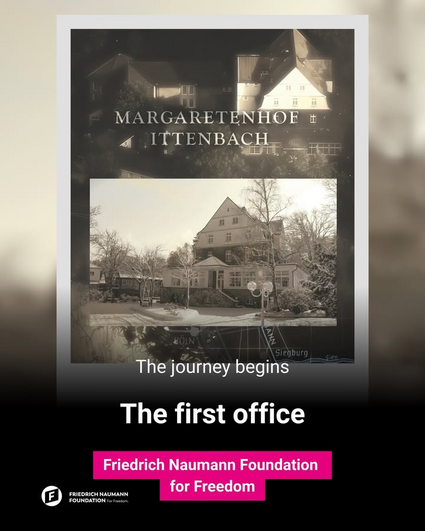
Every global journey begins somewhere. The Friedrich Naumann Foundation’s first office was established at Margarethenhöhe in Ittenbach, Germany. From this modest beginning, the Foundation began building its work in political education, civic participation and democratic dialogue. Today, that work connects people and institutions across countries and continents, but its purpose remains rooted in helping individuals take an active role in shaping free societies. Explore the journey: https://www.freiheit.org/sub-saharan-africa/german-african-story-liberal-ideas-and-action Where did your liberal journey begin? Share it with us and tell us what you believe the future of liberalism should look like. #FreedomInProgress