SONA
Between caution and confidence

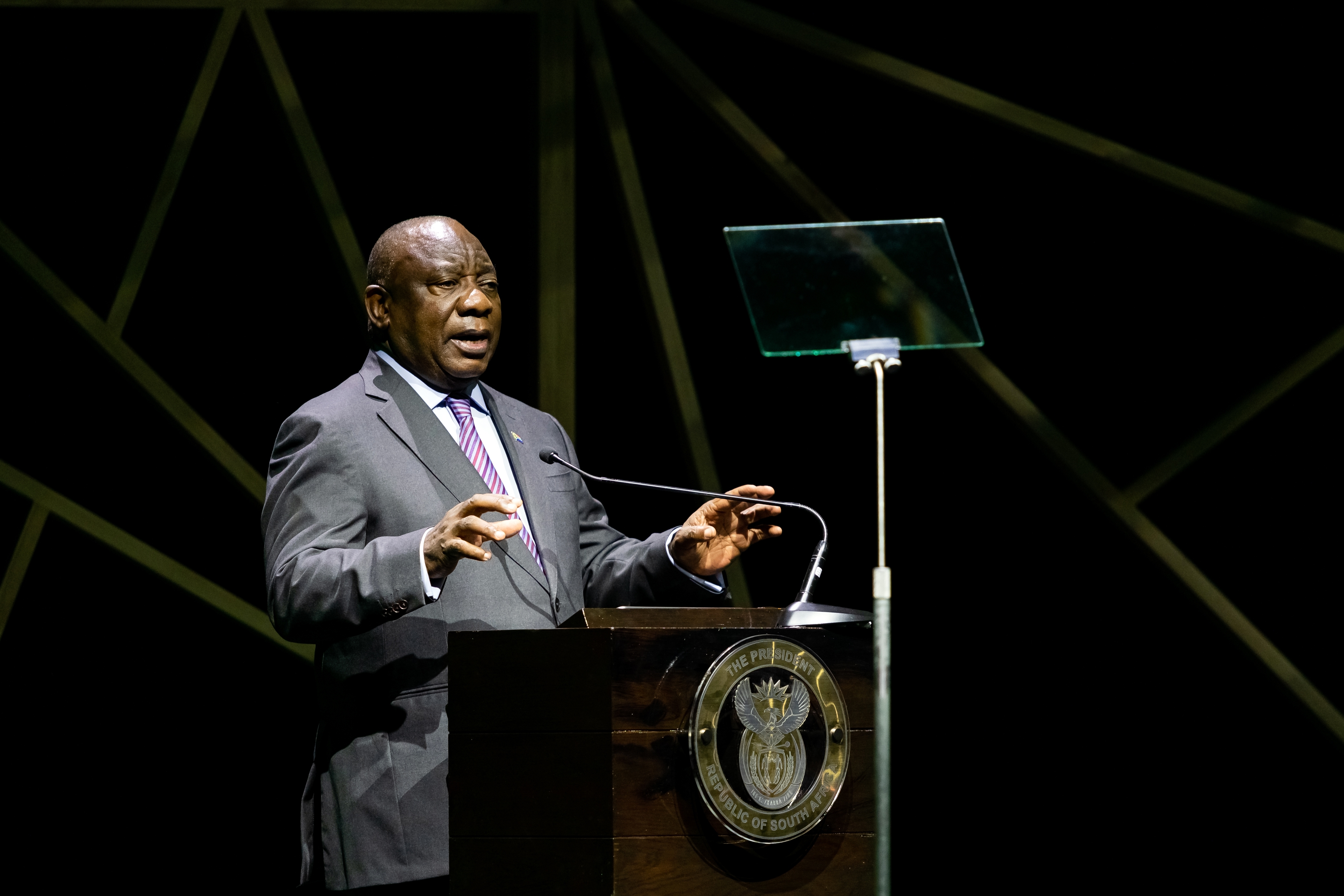
Cyril Ramaphosa President of South Africa
© ShutterstockLast night, President Cyril Ramaphosa delivered South Africa’s State of the Nation Address at a time of unusual political significance. The Government of National Unity (GNU), formed after the 2024 elections, remains a democratic experiment, one that many South Africans are watching carefully rather than celebrating outright.
The national mood is not euphoric. It is cautious, questioning, and pragmatic. After years marked by state capture, economic stagnation, and loadshedding, trust in government must be rebuilt through performance, not promises.
Yet there are measurable signs of progress.
South Africa has recorded four consecutive quarters of economic growth. Inflation is at its lowest level in two decades. Two primary budget surpluses have been achieved, borrowing costs have eased, and investor confidence is gradually returning. Through Operation Vulindlela, structural reforms in energy, logistics, and regulation are taking effect. The effective end of loadshedding and the restructuring of Eskom represent milestones that few believed possible only a few years ago.
These achievements matter. They signal institutional correction and the foundations for policy continuity for long-term growth.
At the same time, citizens are asking a deeper question: will macroeconomic stabilisation translate into daily relief? Unemployment remains high, the cost of living weighs heavily on households, and local governance challenges persist. Economic reform must now convert stability into opportunity.
Within the GNU, liberal reform principles have gained tangible influence. A focus on fiscal discipline, regulatory certainty, administrative efficiency, and investment promotion reflects a commitment to a capable state and an open, competitive economy. Coalition governance has required compromise, but it has also demonstrated democratic resilience. In a global climate of polarisation and democratic backsliding, the functioning of a multiparty government grounded in constitutionalism is no small achievement.
The President’s address also emphasised inclusive growth: infrastructure investment, green energy expansion, youth employment, and support for small businesses. In a society still shaped by deep structural inequality, liberal democracy must deliver social mobility alongside stability. Growth without inclusion will not sustain public trust.
Internationally, South Africa continues to position itself as a bridge between Africa, Europe, and the wider Global South. Its commitment to multilateralism, human rights, and international law underscores the importance of partnerships with democratic allies, including Germany and the European Union.
The 2026 State of the Nation Address did not declare victory. Instead, it marked a potential turning point.
South Africans today are neither naïve nor cynical. They are alert, engaged, and expect delivery. The GNU is evolving from a political necessity into a possible platform for renewal, but its credibility will depend on sustained reform and visible impact.
This is a moment for cautious optimism: confidence anchored not in rhetoric, but in reform; unity grounded not in convenience, but in constitutional principle.
South Africa’s democracy is being tested, and so far, it is holding.