Mali at a Dead End
Between junta, JNIM, and mercenaries: The bitter struggle for gold and power continues

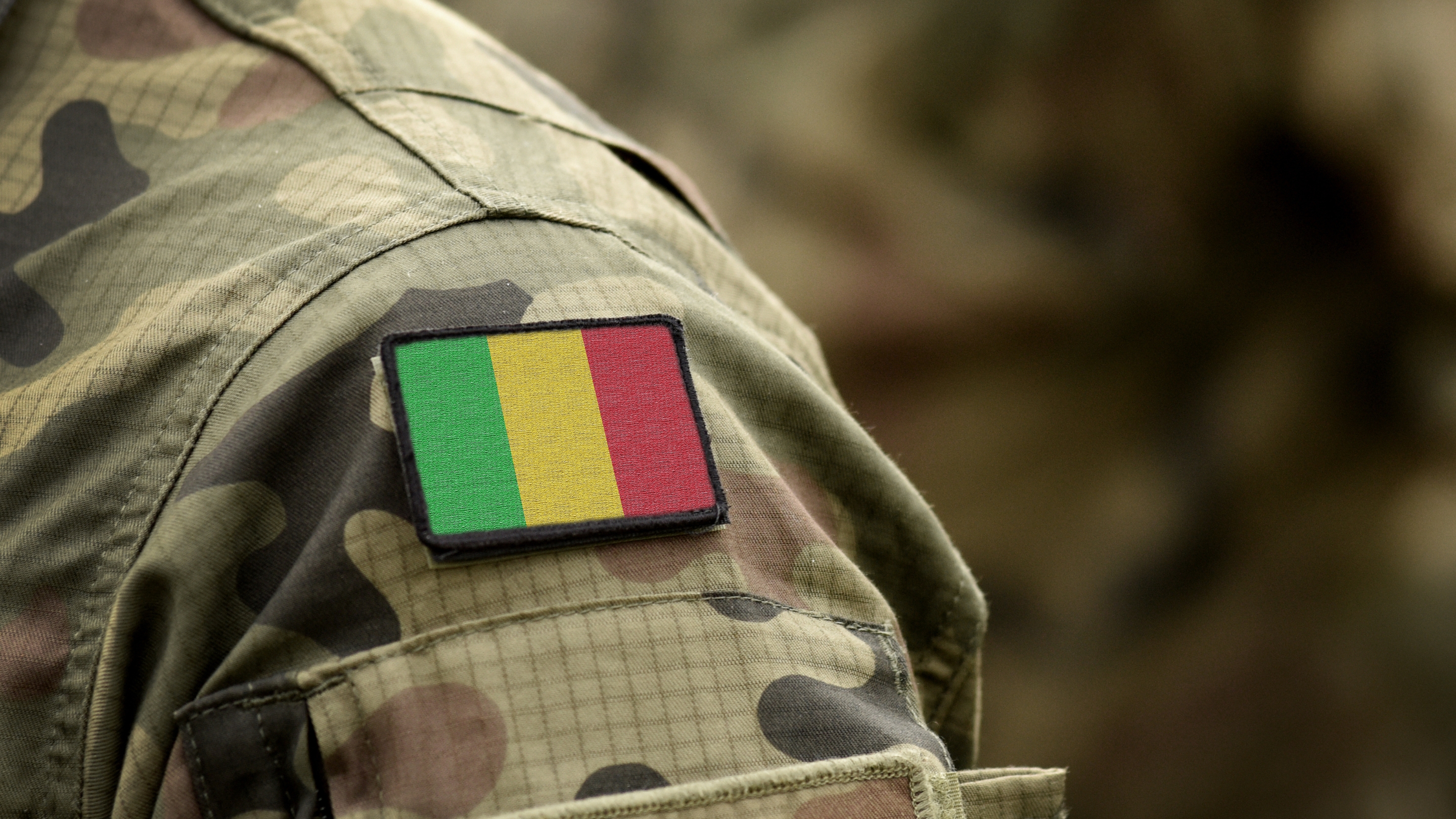
Flagge von Mali in Militäruniform.
© Canva
Just a few years ago, the international troop contingents—supported by Germany with soldiers and equipment—kept Mali regularly present in Germany’s press and security discourse. In 2023, German Bundeswehr personnel withdrew to Germany, and the last equipment was flown out via Dakar. Since then, Mali has fallen silent in Germany. The silence is deceptive.
Today, the Western community of states—where it still concerns itself with the Sahel at all—faces a political, economic, and social wreckage in this desert nation, where gold mines, mineral resources, and the Sahel sun as a source of energy could have been the foundation of prosperity. The country and its people are at the end—trapped between pan-African populism, Putin’s henchmen in search of pay, and Islamist terror.
Recently, Germany’s Foreign Office adjusted its travel warnings for Mali. Travel to the country is strongly discouraged. Attacks and kidnappings are daily occurrences. Now, a massive supply crisis has been added to the mix. Schools and universities are closed. The U.S. Embassy is urging its citizens to leave.
Terrorism and Migration
On the main supply route from the port of Dakar in Senegal to Bamako—now for several weeks firmly in the hands of the Islamist JNIM—fuel tankers are being attacked. Dozens of truck drivers have been killed in recent weeks, their cargoes set ablaze. Entire villages are fleeing; women are raped, men are murdered, and youths—lured with motorbikes and armed with Kalashnikovs—are sent to the front. Ancient cultural sites have been destroyed; girls are banned from attending school. Despite the support of Russian mercenaries from the so-called Africa Corps, the Malian army is incapable of stopping the religious terrorists.
Days of Power Outages and No Fuel
Originally concentrated in the north, the Islamists are advancing ever further, encircling the capital and cutting off supplies of food and energy to this landlocked country dependent on imports. Two-thirds of gas stations in the capital, Bamako, are closed. People wait 24 hours or more for just a few liters of gasoline. Official meetings in Bamako’s ministries take place in semi-darkness and sweltering heat—without electricity or fuel for air conditioning and generators.
The fuel crisis has put the junta in serious trouble. JNIM is weakening the government, and the takeover of the country by a religious dictatorship looms. In the Islamist-occupied regions, the call for Sharia is growing louder. In some areas, the terrorists impose it through promises;
in others, through brutal force. Women are now only allowed to board intercity buses if fully veiled.
To finance its activities, the al-Qaeda offshoot JNIM (Jamaat Nusrat al-Islam wal-Muslimin), according to a study by Deutsche Welle, collects taxes and levies—known as zakat—in the territories it controls, while simultaneously engaging in social activities such as distributing food. The group also finances itself through kidnappings for ransom and by exploiting numerous gold mines—resources over which it is battling with Russian mercenaries and other actors.
In the capital, Bamako, hotels that were once lively meeting places for international guests and local decision-makers stand empty. They are protected by sandbags, concrete barriers, and small tanks; armed soldiers guard the gates. In the breakfast room, a few small groups sit at scattered tables. Russian, Turkish, and Arabic can be heard.
A Country Trapped
The Western withdrawal has left gaps that have placed this desert state and its neighbours in grave danger. The once-promising nation that Mali appeared to be fifteen years ago has not withstood the crossfire: besieged by power-hungry soldiers, brutal mercenaries, and ruthless Islamists, Mali has manoeuvred itself into a fatal dead end from which there seems to be no escape.
Some of it recalls reports and images from Afghanistan. No one saw it coming—until it was too late. Only this time, the Hindu Kush is far away, while Mali lies right at Europe’s doorstep.