VIETNAM
THE EVFTA AT FIVE: A STRATEGIC ARCHITECTURE FOR VIETNAM’S COMPREHENSIVE MODERNIZATION

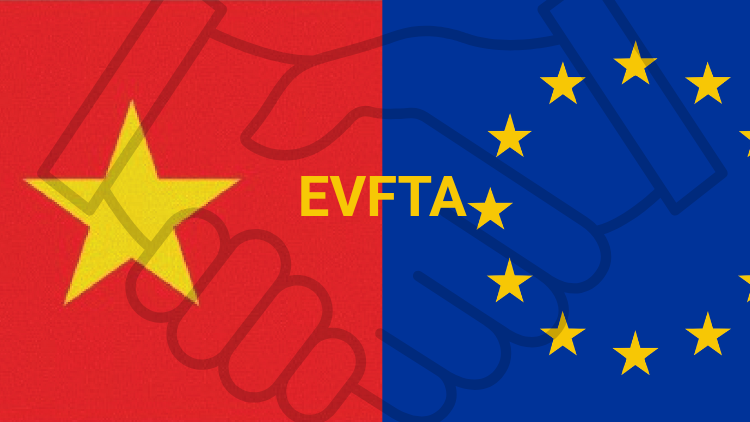
The European Union-Vietnam Free Trade Agreement (EVFTA), which officially entered into force on August 1, 2020, represents much more than a traditional trade pact centered on tariff eliminations. As a "new-generation" agreement, it established a sophisticated and comprehensive framework for cooperation, encompassing trade in goods and services, investment protections, intellectual property rights, and a pioneering commitment to sustainable development and labor standards. Now reaching its five-year milestone, the EVFTA has proven to be a transformative catalyst for Vietnam’s economy, driving record-breaking trade volumes, attracting high-quality foreign investment, and, perhaps most importantly, serving as a powerful instrument for domestic institutional reform.
The quantitative successes of the EVFTA over the past five years are undeniably impressive, particularly considering the global economic headwinds caused by the COVID-19 pandemic and subsequent supply chain disruptions. Bilateral trade turnover between Vietnam and the European Union surged from €43.2 billion in 2020 to an estimated €55 billion by 2024, reflecting the agreement's profound role in facilitating market access. This period has been characterized by a dramatic expansion of Vietnam's trade surplus with the EU, which reached record levels between $26.6 billion and $35.4 billion in 2024. Vietnam's exports to the EU, which stood at $35.1 billion in 2020, climbed to $51.6 billion by 2024, representing an average annual growth rate of 10.1%. Key export sectors, including electronics, footwear, agricultural products, and textiles, have leveraged the progressive elimination of tariffs—which covered 85% of goods by 2025 and is set to reach 99% by 2027—to gain a significant competitive advantage in the European market.
The impact of the EVFTA extends deep into the realm of Foreign Direct Investment (FDI), where it has acted as a "magnet" for high-quality capital from European firms. Between 2020 and 2024, EU investment in Vietnam increased by 35%, with a strategic focus on sectors that align with Vietnam’s long-term goals: renewable energy, high-tech manufacturing, and digital infrastructure. Beyond mere capital injection, these investments are facilitating Vietnam’s transition toward a green and knowledge-based economy. Projects in solar and wind energy, alongside technology transfer agreements in healthcare—such as the localized production of high-tech vaccines meeting EU standards—demonstrate the shift from traditional manufacturing toward deeper, technology-driven partnerships. By mandating improvements in intellectual property protection and transparency in public procurement, the EVFTA has cultivated a more predictable and competitive business environment, encouraging long-term commitments from multinational corporations.
Beyond the economic data, the EVFTA’s most enduring legacy may be its role as a lever for sweeping institutional and policy reforms within Vietnam. The agreement necessitated the alignment of domestic regulations with rigorous international standards, particularly concerning labor rights and environmental protection. Vietnam has made considerable strides in implementing commitments under International Labour Organization (ILO) conventions, focusing on improved working conditions and collective bargaining rights. Furthermore, the modernization of customs through the National Single Window mechanism and the full digitalization of administrative procedures have significantly reduced transaction costs and enhanced the credibility of the Vietnamese market. This institutional upgrading is not merely a compliance exercise but a strategic move that elevates Vietnam’s position within global value chains, transitioning the country from a traditional low-cost processing hub to a production partner recognized for its adherence to quality and standards.
The socioeconomic benefits of the agreement have been far-reaching, contributing to inclusive growth and poverty reduction. It is estimated that approximately 200,000 jobs have been created in export-oriented industries, providing stable incomes and improved livelihoods, especially for women in rural areas who constitute a significant portion of the workforce in the textile and agricultural sectors. However, as the global context evolves, the challenges to fully realizing the EVFTA's potential have also become more complex. Vietnamese enterprises, particularly small and medium-sized ones (SMEs), continue to face hurdles in complying with intricate rules of origin and increasingly stringent non-tariff barriers. The introduction of the EU’s Green Deal initiatives—such as the Carbon Border Adjustment Mechanism (CBAM) and the EU Deforestation Regulation (EUDR)—presents new pressures for Vietnamese exporters to adopt sustainable practices or risk losing market access.
Looking forward, the EVFTA provides a strategic development space that aligns Vietnam with the dual green and digital transitions defining the future of the global economy. The emergence of "green" value chains and the necessity for sustainability certifications represent both a challenge and a massive opportunity for Vietnam to leapfrog into high-value segments. To maintain its "first-mover advantage," Vietnam must now look beyond tax incentives—which are being neutralized by global minimum tax standards—and focus on building competitive advantages rooted in high-quality physical and digital infrastructure, a skilled workforce, and a robust innovation ecosystem.
In conclusion, the first five years of the EVFTA have demonstrated that the agreement is not merely a preferential trade arrangement but a structural instrument for national capability building. It has fundamentally reshaped Vietnam-EU relations, elevating them from a buyer-seller dynamic to a comprehensive strategic partnership focused on sustainable development and mutual resilience. The ultimate success of the next phase will depend on Vietnam’s ability to strategically synchronize its institutional reforms with technological upgrading and environmental responsibility, ensuring that the EVFTA continues to serve as a springboard for the country's sustainable integration into the 21st-century global economy.