Reform
A “Coalition Budget” for South Africa

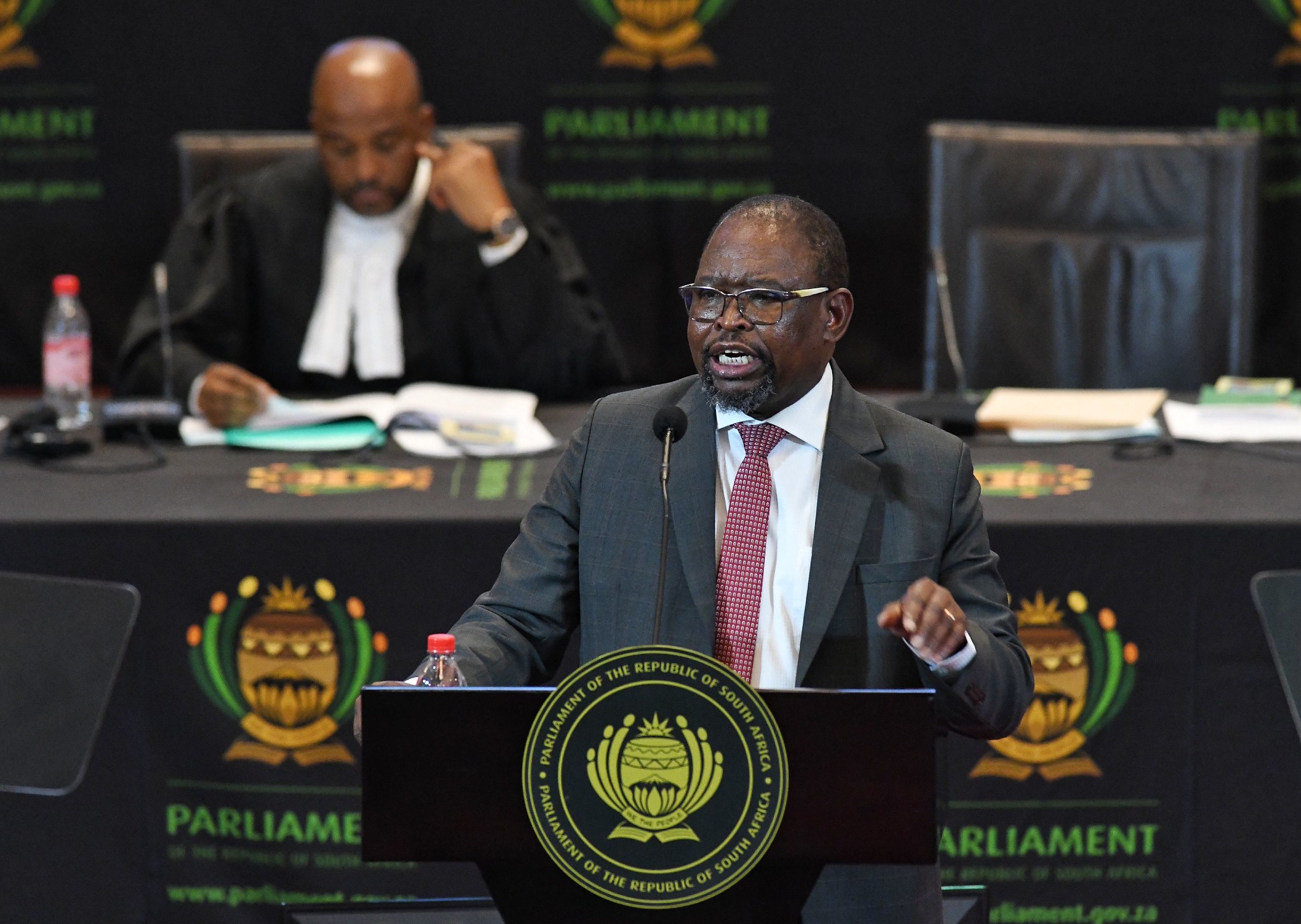
Minister of Finance Enoch Godongwana tabling the 2023 Budget Vote at Cape Town City Hall.
© GCISLast week, South Africa’s Finance Minister, Enoch Godongwana, delivered the country’s 2026 Budget, following the President’s announcement of the year’s priorities.
Since the formation of the Government of National Unity (GNU), South Africa has shown signs of steady growth, with improved public stability and gains in the macroeconomy and mining sector.
Many critics, including South Africa’s liberal party, the Democratic Alliance (DA), argue that this progress is largely due to the DA’s inclusion in government, where it has driven liberal policy reforms in the departments it leads. The DA’s Mark Burke argued that the party “won” with this Budget Speech, saying that “within the speech, we saw South Africans placed at the centre, with clear DA policy wins.”
For the first time in three years, personal income tax brackets and medical tax credits will remain unchanged. This marks a bold move by Godongwana, who had previously planned to raise an additional R20 billion. However, due to modest economic growth, that proposal was scrapped. Meanwhile, small businesses can walk away with a sense of relief, as the VAT registration threshold has been increased, reducing the cost of doing business, a move the DA describes as “making the country open for business.”
The Minister has also increased various social grants, which remain one of the key components of the national budget, as millions of South Africans remain poverty-stricken. Of course, South Africans need more than grants. They need real opportunities, affordable and quality education, meaningful vocational training, dignified jobs, and the ability to establish and grow their own businesses.
While the GNU appears to be working, corruption still requires a firmer clampdown and harsher punishment. Keeping people at the centre of government decision-making, beyond budget allocations, must remain a priority.
However, one must admit, this year’s Budget has proven to be one of the more people- and business-friendly budgets the country has seen in recent years. It speaks to growth, albeit slow, and one could argue that the Government of National Unity has made measurable progress in addressing some of the country’s fiscal challenges.