INTERNATIONAL RELATIONS
Experts Convene at DLSU to Address Regional Maritime Challenges and Taiwan Contingency

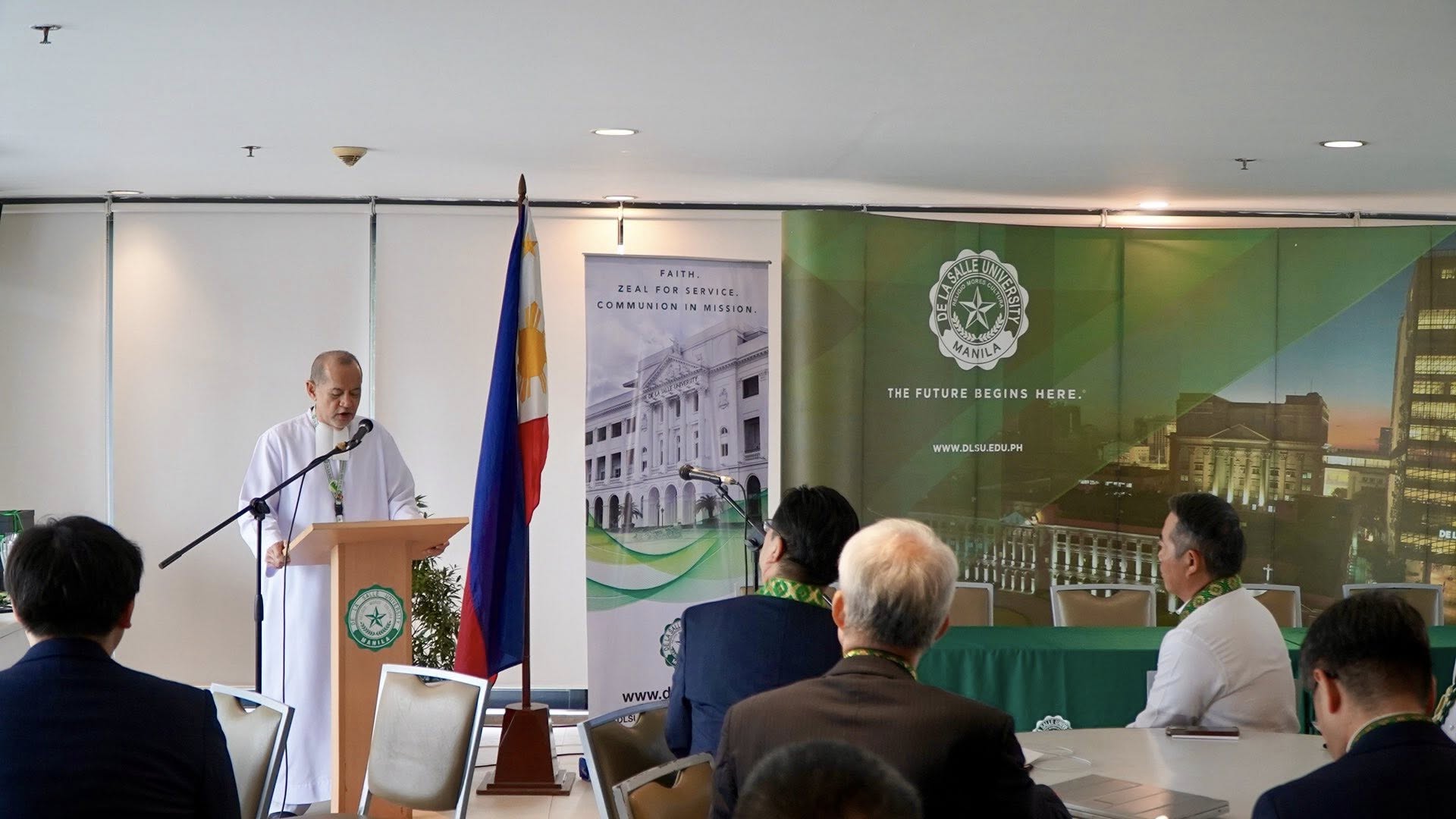
The DLSU Track 2.0 Discussion focuses on addressing the growing unfounded claims and belligerent actions in the South and East China Seas, alongside the pervasive anxiety over a potential Taiwan contingency.
© FNFThe De La Salle University (DLSU) College of Liberal Arts, in partnership with the Department of Political Science and Development Studies and the Department of International Studies, and with the support of the Friedrich Naumann Foundation (FNF) Philippines, convened security experts, diplomats, and officials from the Philippines, Japan, and Taiwan for a crucial discussion series on November 3, 2025.
The activity, titled the Track 2.0 event “The Seas of Our Fathers: Our Common Future and Emerging Regional Challenges,” aimed to address the growing unfounded claims and belligerent actions in the South and East China Seas, alongside pervasive anxiety over a potential Taiwan contingency.
Organizers highlighted that these aggressive acts allegedly threaten the international rules-based order and regional stability, underscoring the urgent need for strengthened institutional capacity and critical collaboration across various sectors.
The forum specifically sought to examine the multifaceted security challenges confronting the First Island Chain Nations (FICNs), such as the Philippines, Japan, and Taiwan, and to foster stronger cooperative regimes. Various government officials, military and law enforcement personnel, academics, and media members were invited to provide insights and identify strategies to mitigate these threats.
The day-long program, held at Henry Sy Sr. Hall, featured opening addresses by DLSU President Br. Bernard S. Oca, FSC, and high-level security representatives, including Gen. Benjamin Madrigal, Jr. (Ret.) from the National Security Council, along with diplomats from Taiwan and Japan.
The event included three panel discussions, where experts tackled agendas such as protecting maritime zones, promoting cooperation and safety at sea, exploring policy options to counter bellicose actions, preserving peace and stability in regional waters, assessing the implications of a potential Taiwan contingency, and examining strategic deterrents to strengthen resilience against malign influence and counter insidious operations affecting the FICNs.

Dr. Almut Besold met with distinguished guests during the event.
© FNF
The panelists took their seats at the table to respond to questions from the media and the audience.
© FNF