North America
The North America Regional Office in Washington, D.C. is composed of two pillar programs. The Transatlantic Dialogue Program fosters political dialogue among political, business, scientific and cultural multipliers from the US, Canada and Germany and develops innovative liberal approaches and solutions to transatlantic issues. The World Order and Globalization Hub fosters dialogue among political, business and scientific multipliers by encouraging increased mutual understanding within the global economic landscape. Both initiatives seek to facilitate a transfer of knowledge among experts in order to make a worldwide contribution to social and economic progress.
News
-
Kanadas Trümpfe gegen Trumps Zölle
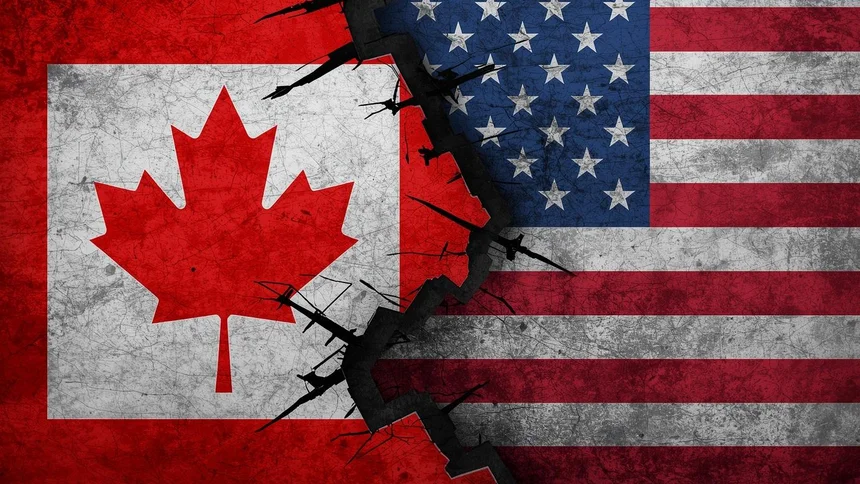
Im Juli 2026 steht die Revision des USMCA-Handelsabkommens an. Das Abkommen zwischen Kanada, den Vereinigten Staaten und Mexiko hat in der Vergangenheit zu Handelswachstum und einer stärkeren Verflechtung der Märkte geführt. Durch die neuen Zölle der Trump-Administration sind viele Staaten betroffen, darunter auch Kanada. Trump behauptet, dass die USA nichts vom Nachbarn im Norden bräuchten. Die Zahlen sprechen eine andere Sprache.
-
Emerging Technologies, Energiepolitik und geopolitische Strategien in den USA
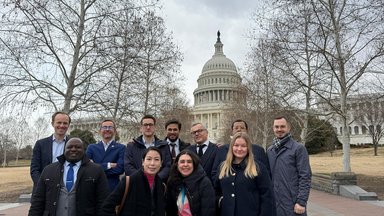
Emerging Technologies, Energiepolitik und geopolitische Strategie sind heute untrennbar miteinander verbunden. Vor diesem Hintergrund wurde eine internationale politische Delegation aus neun Regionen, bestehend aus Abgeordneten, ehemaligen Ministern sowie Vertretern aus Wirtschaft und Forschung, nach Washington, D.C. und Austin eingeladen, um den Austausch zwischen Politik, Wirtschaft und Wissenschaft zu fördern und technologische sowie infrastrukturelle Entwicklungen praxisnah zu erkunden.
-
Artificial Intelligence is Not a Race
We have fallen into the habit of speaking about artificial intelligence as if it were a race. The phrase sounds dynamic, strategic, even patriotic. It suggests urgency. But it also distorts. A race assumes a single track, one finish line, and a clear winner. None of those conditions applies here. Artificial intelligence is not a sprint toward one endpoint.
-
Die Militäroperation gegen den Iran aus US-Sicht
Gemeinsam mit Israel hat die USA nach einem großen Truppenaufbau im Nahen Osten den Iran am 28. Februar angegriffen. Die USA haben unterschiedliche militärische Ziele für diese Operationen benannt. Eines wurde erfolgreich umgesetzt - die oberste Führung des Terrorregimes zu töten. Ein weiteres Ziel ist die endgültige Zerstörung des iranischen Atomprogramms.
-
Trumps Rede zur Lage der Nation: USA in einem Jahr von ganz unten nach ganz oben
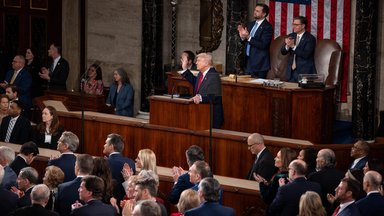
US-Präsident Donald Trump hat die Rede zur Lage der Nation vor dem Kongress in einer schwierigen Situation seiner Präsidentschaft gehalten. Die Analyse von Martin Biesel, Leiter des Büros der Friedrich-Naumann-Stiftung in Washington, D.C.
-
Von Austin nach Silicon Valley: Warum die Tech-Riesen auf Trump setzen
Als Donald Trump bei seiner Inauguration von den Spitzen der amerikanischen Tech-Industrie begleitet wurde, war die Irritation in Europa groß. Warum stehen ausgerechnet jene Konzerne hinter ihm, die jahrelang als Gegenpol zu seiner Politik galten?
-
Immer auf Angriff: Ein Jahr Präsident Donald Trump
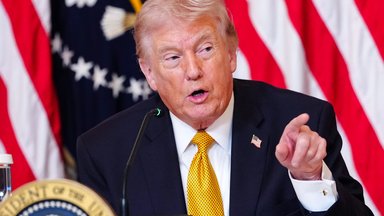
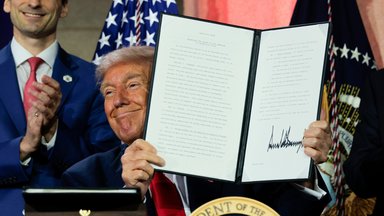
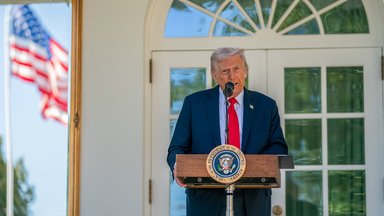
Ein Jahr Präsidentschaft Donald Trump scheint wie eine Ewigkeit. Das liegt daran, dass sich alles um Donald Trump dreht - in der Innenpolitik wie in der Außenpolitik. Eine Analyse von Martin Biesel.

-
“German Election 2021: Bracing for a Post-Merkel Era”
The election in September 2021 will be Europe’s biggest this year and will mark the end of Chancellor Angela Merkel’s 16-year reign as leader of Germany. MP Michael Link provided our network with a most candid insight into what the political situation in Germany might look like in a post-Merkel era and outlined the issues the Free Democrats would like to see addressed by the new government.
-
WITA & Friedrich Naumann Foundation Webinar: Transatlantic Dialogue on U.S., EU and Global Trade
With a new U.S. Administration promising to re-set transatlantic and global relations, and Europe in the midst of its own transitions, 2021 will be a year of change in trade and transatlantic relations. On April 13, 2021, the Washington International Trade Association (WITA) and the Friedrich Naumann Foundation held a transatlantic dialogue of U.S., EU and global trade.
-
Virtual Event: Do We Need a Reset for Transatlantic Relations?
With the election of President Joe Biden in the United States, leaders and policymakers on both sides of the Atlantic grew optimistic that relations between the U.S. and Europe would improve. Yet in the first months of the Biden presidency, disagreements on how to approach trade with China and ongoing concerns about the Nordstream 2 pipeline project cast doubt on how effectively the U.S. and E.U. will be able to work together as partners.
-
Attack on the Capitol: In What Ways is the Media to Blame?
In an interview with rbb, the head of our Washington D.C. office discusses the role that the media played in the creation of the ‘Trump myth'. It was the media’s rationalization and normalization of Trump that made Trump so dangerous, as Claus Gramckow analyzes.
-
Attack on the Capitol: Biden Takes Over a Country Torn Apart
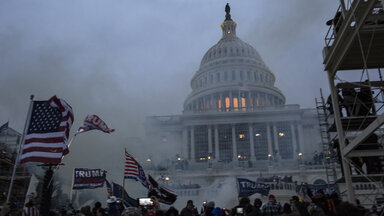
The saga of the seemingly never-ending presidential election reached an inglorious culmination yesterday. Traditionally, the U.S. Congress' certification process for the election results is a dry and formal affair. But this year, the day will go down in U.S. history as one of the most tumultuous days in U.S. domestic politics.
-
Election Victory for the Democrats in Georgia
Two months after the presidential election and for the first time in six years, Washington is now fully under Democratic control. On Tuesday, voters in the U.S. state of Georgia decided in two critical runoff elections which party controls the U.S. Senate, determining just how much President-elect Joe Biden can accomplish in his first two years in the White House.
-
“Europe after Brexit” - Discussion with MP Michael Link
-
Forum on the World Economic Order: “Siri, Snowden, Social Media: Data Privacy and Digital Rights”
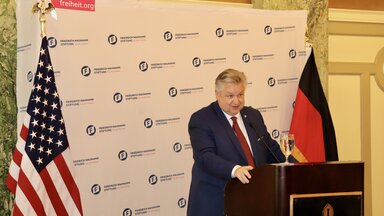

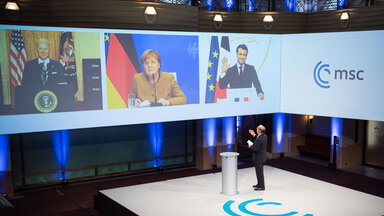

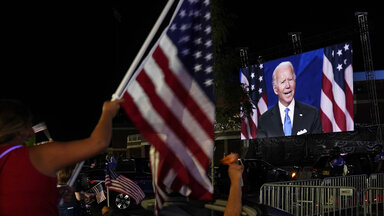
Social Media
-
0
Memorial Day is a national holiday celebrated every last Monday in May in the United States. This year on May 25th. This day is dedicated to honoring and remembering military members who have died while on duty. Not only is it a moment of national mourning, Memorial Day is also a symbol of deep appreciation for their service and sacrifice in maintaining the independence and security of the United States of America 🇺🇸. #remember #memorialday2026

-
2
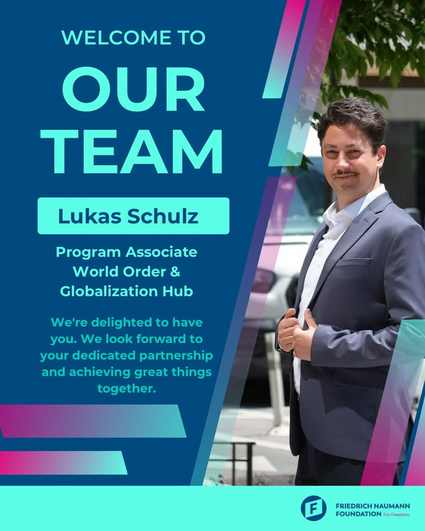
Big news — our team is growing! Please join us in welcoming our newest colleague Lukas! We’re excited to have your energy, ideas, and expertise on board. 🚀 #TeamUpdate #WelcomeAboard #freedom
-
3
🗣️Thank you to everyone who joined us for our discussion with Amelie Giesemann @epwashingtondc on transatlantic relations from the perspective of the European Parliament. 🇪🇺 🇺🇸 From current geopolitical challenges to the future of EU-US cooperation, the evening brought together young professionals passionate about politics and international affairs. Great conversations, valuable insights, and an inspiring exchange of perspectives. A special thank you to Amelie Giesemann for sharing her expertise and engaging with our community. #TransatlanticRelations #EuropeanParliament #YoungProfessionals #PoliticalDialogue