Kuala Lumpur
The Friedrich Naumann Foundation for Freedom (FNF) promotes democracy, human rights, economic freedom, and curbing climate change. In Asia, we have offices in Bangkok, Jakarta, Manila, New Delhi, Seoul, and Taipei. We also work in Malaysia. In Malaysia we work with 8 local partners. Should you have questions or suggestions about our work, please contact us. You can also meet our team here.
News
-
How autocracies attack democracy—and what can we do about it
Can autocracies out-communicate democracies? A new study from Malaysia shows how Russia and China are shaping public opinion through state media, influencer networks, and disinformation. What can Germany and Europe do about it?
-
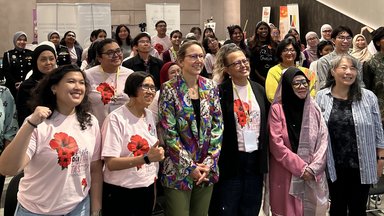
Pesta PUAN-tastic: Women, Art and Activism Reimagine Merdeka
Pesta PUAN-tastic in Kuala Lumpur brought women’s voices, art and activism together to explore Merdeka, freedom, equality, dignity and justice.
-
China’s and Russia’s Overseas Campaigns
The apparent success of authoritarian regimes fuels doubts about democracy. Two studies conducted in democratic Malaysia show how China’s and Russia’s propaganda works.
-
Europe & Malaysia: Staving Off the Foreign Narrative Threat
Two new surveys reveal how Beijing and Moscow are shaping Malaysian public narratives and opinion — and what Europe can do about it.
-
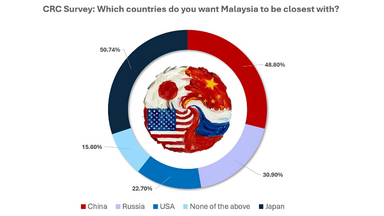
Study on Perceptions of Geopolitics and Regional Issues
A nationwide study examining how Malaysians perceive China, Russia, democracy, and the shifting global order.
-
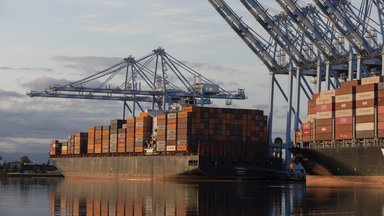
Flowing through the Strait of Malacca: Smooth Sailing or Rough Seas for Germany?
A narrow strait near the equator, carrying 24 percent of global maritime trade: the Strait of Malacca may seem distant, but for Germany this chokepoint represents an underestimated risk.
-
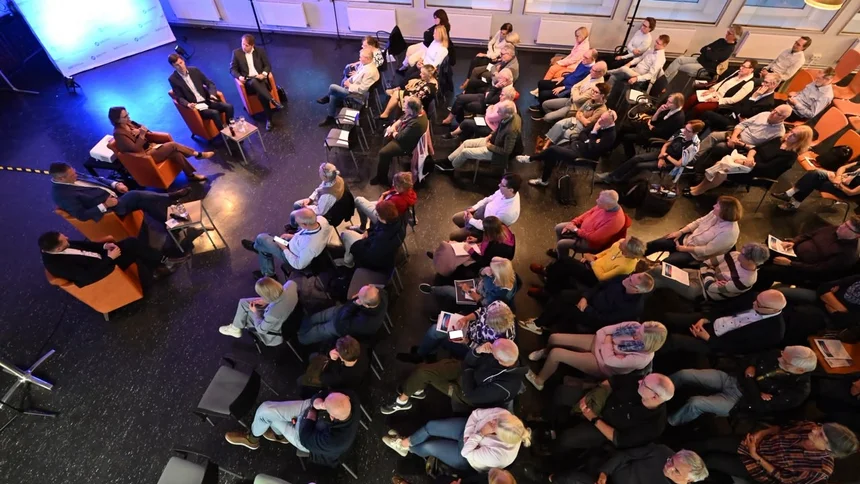
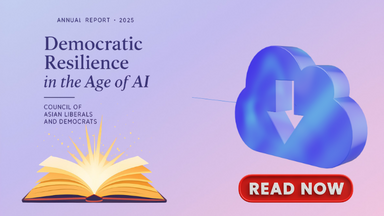
Democratic Resilience in the Age of AI
How to shape a resilient democracy in the age of AI? Political and institutional reforms, technological adaptation and regional cooperation, argues the Council of Asian Liberals and Democrats (CALD).

-
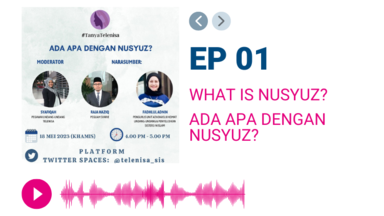
Ada Apa Dengan Nusyuz?
Dalam episod ini, Telenisa telah menjemput Raja Hafiq, seorang Peguam Syariah, dan Fadhul Adnin, Pengurus Unit Advokasi, Perkhidmatan Undang-Undang, dan Penyelidikan, Sisters In Islam. Topik yang dibincangkan? Nusyuz. Tetapi apa sebenarnya Nusyuz? Dan adakah benar jika seorang suami mendakwa isterinya melakukan Nusyuz, dia akan kehilangan semua haknya sebagai seorang pasangan? Satu soalan lagi yang timbul: Mengapa undang-undang berkenaan Nusyuz hanya mempertikaikan wanita dan tidak lelaki? Teruskan membaca artikel di bawah untuk mengungkap jawapan-jawapan yang merangsang pemikiran ini dan untuk mendapatkan pemahaman yang lebih mendalam tentang isu yang kompleks ini.
-
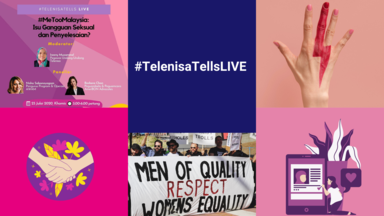
#TelenisaTellsLive
Siri Telenisa Tells Live adalah usaha untuk membawa program advokasi dan jangkauan kepada wanita terutamanya semasa wabak ini. Pada tahun 2020, Telenisa telah menghasilkan dan menyiarkan 19 sesi dalam talian Telenisa Tells Live di bawah projek FNF dengan isu-isu yang merangkumi hak wanita, sosio ekonomi wanita, hak anak, isu keluarga Muslim, Undang-undang Keluarga Islam dan wacana gender.
-
Death Penalty in Malaysia
Kes seperti kes pembunuhan dan rogol dan bersenjata adalah antara kes kematian tertinggi. Menurut badan kehakiman, undang-undang dan eksekutif Malaysia, mereka akan menilai semula hukuman mati sama ada untuk memutuskan sama ada seseorang yang didapati bersalah dan hukuman harus dilaksanakan.
-
Entrepreneurs from Freedom
Apa yang diperlukan untuk mewujudkan ekosistem yang tepat, dengan penyertaan majlis persekutuan, negeri dan tempatan, untuk membina semangat keusahawanan? Budaya kebebasan apa yang dapat dimiliki ketika Malaysia kembali bekerja?
-
Local Elections and democracy at grassroots
Video ini bertujuan untuk meningkatkan kesedaran kepada belia mengenai pilihan raya tempatan
-
Telenisa Protection for Women in Malaysia
Hotline #TELENISA sedia sentiasa untuk wanita-wanita Islam Malaysia masalah dalam perkahwinan. Walaupun sudah 16 tahun beroperasi ramai orang masih tidak tahu bagaimana #TELENISA ni berfungsi.
-
Undi 18
Malaysia memilih untuk menurunkan usia pengundian pada 16 Julai 2019. Berkesan, berjuta-juta menjadi pemilih, kerana rang undang-undang tersebut melampirkan peruntukan untuk pendaftaran automatik.
-
Copyrights
Apa itu Copyright? Pakai content orang lain boleh disaman? Nak buat duit daripada Youtube dan Facebook? Ramai pengguna dunia digital yang terlepas pandang 10 perkara-perkara yang mereka boleh dan tak boleh buat didalam dunia digital.