Xenophobia
The battle that keeps haunting South Africa

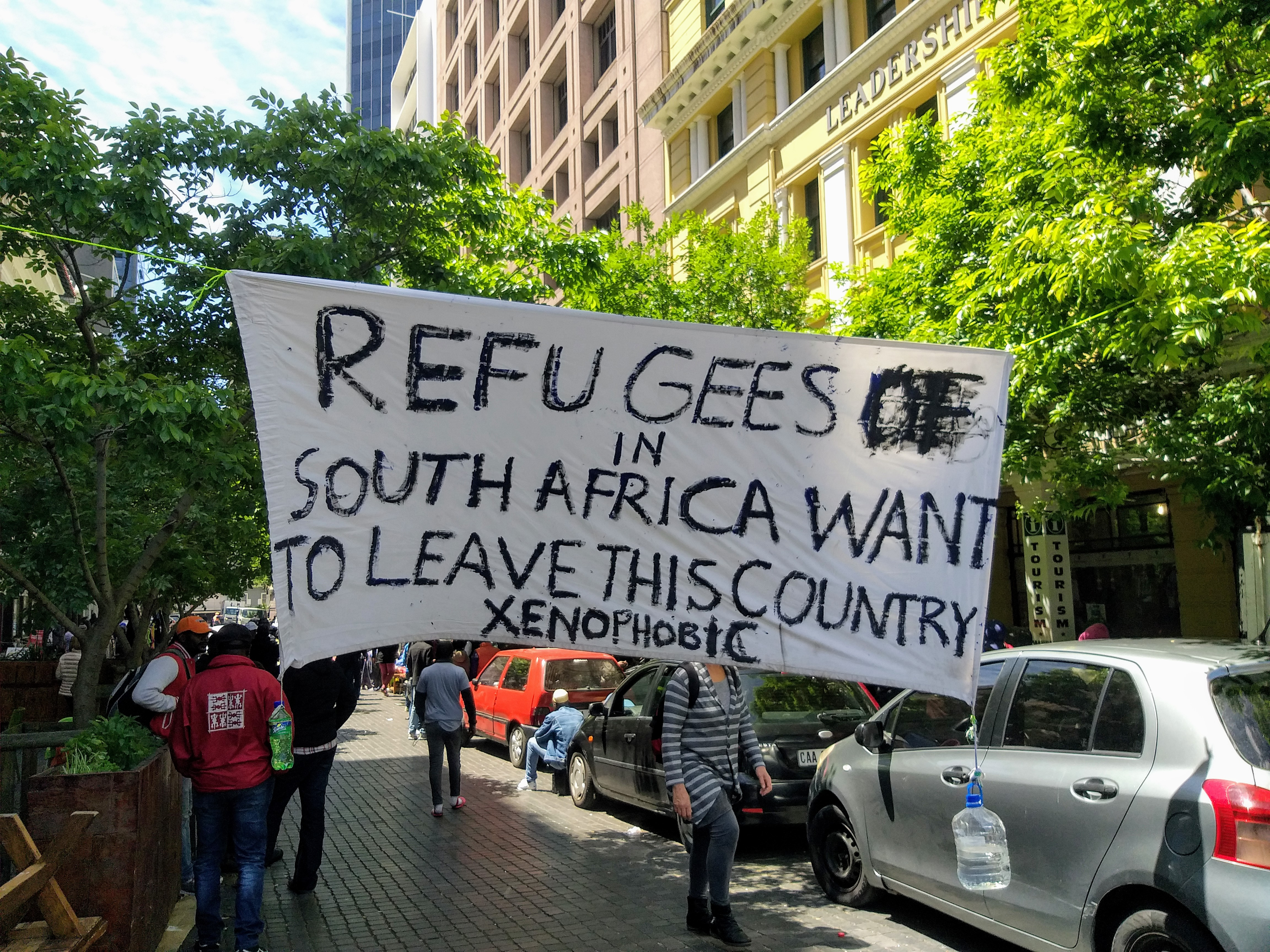
CAPE TOWN, WESTERN CAPE/SOUTH AFRICA – OCTOBER 4, 2019: African and Middle Eastern refugees in fear of xenophobic attacks, protest outside the UN High Commissioner for Refugees (UNHCR) in Cape Town.
© ShutterstockSouth Africa has never been a country in isolation. Its liberation struggle was supported by neighbouring African states that sheltered exiles and paid a heavy price for standing against apartheid. On Freedom Day, 27 April 2026, President Cyril Ramaphosa reminded South Africans that political liberation was only the beginning of a longer journey towards economic freedom and social justice.
That context matters for an international audience. South Africa cannot defend freedom while turning on people from the region that helped it defeat oppression. Beating migrants, burning shops or blocking children from school is not patriotism. It betrays the liberal promise that every person has dignity, rights and protection under the law.
In April 2026, hundreds marched in Johannesburg and Tshwane against undocumented migration. Some shops closed out of fear of looting. The marches were linked to March and March and Operation Dudula. Their message is familiar. Foreigners are blamed for unemployment, crime and strained services.
This article does not dismiss the pain behind these protests. South Africa's unemployment is severe, services are overstretched, and crime is a daily concern. However, a correct diagnosis must come before any solution. Street vigilantism is a failure of the rule of law. The country is being offered a false diagnosis by populists and politicians who avoid harder truths.
Political and social context
South Africa has a long history of xenophobic violence. Xenowatch, a project at the University of the Witwatersrand, records xenophobic discrimination across the country. What is different today is the level of organisation and political mainstreaming ahead of expected 2026 local government elections. March and March has helped organise recent anti-migrant demonstrations, while Operation Dudula, which emerged in 2021, has become a political party.
When parties fail to offer credible plans on jobs, safety and service delivery, anti-outsider politics becomes an easy substitute for reform.
Jobs, crime and the evidence
South Africa's unemployment crisis is real. Statistics South Africa reported official unemployment at 31.4% in the fourth quarter of 2025, with 7.8 million people unemployed. But blaming migrants for this crisis is not supported by the evidence. OECD and ILO research found that immigrants can contribute positively to income per capita and public finances, and estimated that foreign-born workers accounted for about 9% of GDP in 2010.
There is a legitimate labour concern, but it lies in exploitation. Some undocumented workers are paid below minimum wage by employers who exploit their vulnerability. The answer is labour law enforcement, not violence. Employers paying below the law are benefiting from abuse.
On crime, exaggerated claims distort the debate. Public estimates put the foreign-born population far below rumours of tens of millions of migrants. Weak borders, corruption and transnational criminal networks are real concerns, but they point to state failure and organised crime, not migrants as a group.
Legal framework and reform
South Africa's Constitution protects the rights of all persons, not only citizens. Courts have acted against attempts to block foreign nationals from clinics and schools. In 2025, the Gauteng High Court interdicted Operation Dudula from preventing access to healthcare facilities or schools. The Immigration Amendment Bill responds to Constitutional Court rulings by requiring detained undocumented persons to be brought before a court within 48 hours.
A liberal democracy must enforce immigration rules, protect borders and punish corruption. But it must do so through law and evidence.
Policy recommendations
Fixing the real problems means rebuilding the state. The roots of unemployment lie in weak growth, poor education, corruption, state capture legacies and unreliable infrastructure, not migration alone.
Home Affairs and border management should be efficient, digital and corruption resistant. Labour inspectors should target employers who exploit vulnerable workers. The National Action Plan to Combat Racism and Xenophobia must be implemented. Media coverage should scrutinise anti-migrant movements rather than giving their leaders easy legitimacy.
South Africans are not wrong to be angry. They are wrong when anger targets people with the least power. The liberal answer is not open borders without rules, and it is not mob justice. It is a capable state, equal rights and fair enforcement. South Africa deserves better answers than scapegoats.