South Africa
SONA must be a reform declaration, not a reassurance ritual

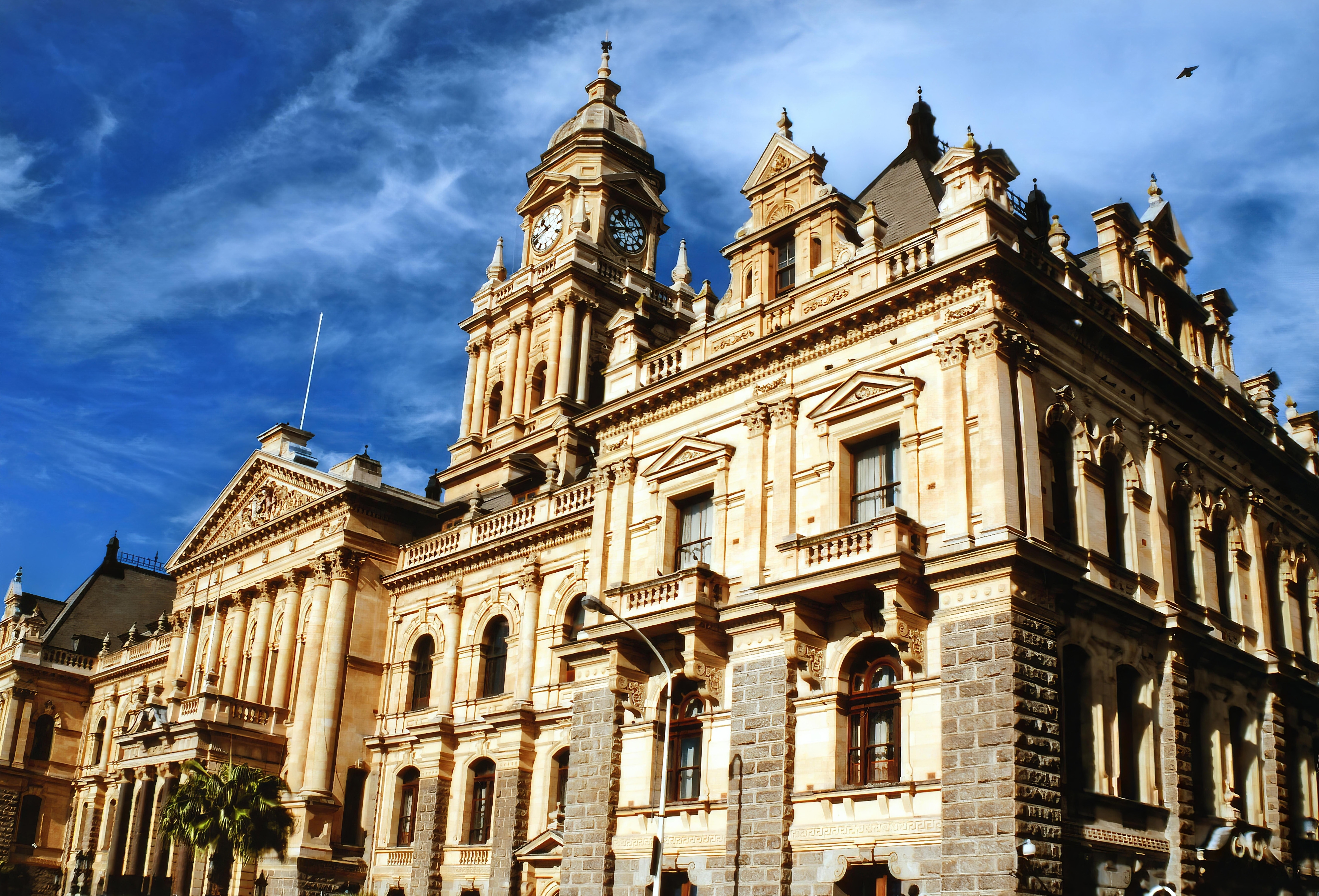
Cape Town City Hall will host last Sona this year.
© ShutterstockAs South Africans prepare to listen to President Cyril Ramaphosa deliver the State of the Nation Address, we can reasonably predict what will dominate the speech: energy stability, economic growth, and crime.
We will likely hear about progress in reducing load shedding, the expansion of private-sector energy generation, and reforms to stabilise the grid. There will be strong language around infrastructure recovery, combating illegal mining and organised crime, and references to investment pledges and structural reforms such as Operation Vulindlela. In the context of coalition governance, the tone will almost certainly project stability.
But policy updates are not enough.
South Africa has been governed in survival mode for far too long. We have become accustomed to a politics of damage control, managing decline rather than pursuing excellence. What I will be listening for is not whether the President can catalogue incremental improvements, but whether he is prepared to declare a decisive break from mediocrity.
We do not need another reassurance speech. We need a reform declaration.
If the President is serious about rebuilding the country, he must announce a non-negotiable 10-year infrastructure covenant, one that insulates our ports, rail networks, water systems, and electricity supply from political interference. Infrastructure cannot be treated as an election-cycle talking point. It must be a generational commitment.
South Africa’s logistics crisis is not simply an operational failure; it is a governance failure. Our ports are underperforming, rail capacity is unreliable, water infrastructure is collapsing in municipalities, and electricity stability remains fragile. These are not ideological problems. They are management problems. And management problems require professional, non-partisan leadership appointed on performance-based contracts, not political loyalty.
The professionalisation of the state must move from rhetoric to reality.
No cadre deployment. No political patronage determining who runs our railways, police services, or power stations. A capable state is built on merit, accountability, and consequence. Without this, every reform promise becomes vulnerable to internal sabotage.
On crime, South Africans do not need sympathy from the state; they need results. Communities are exhausted by violent crime, organised syndicates, illegal mining networks, and corruption that drains public resources. The President must go beyond condemning crime and commit to structural enforcement reform.
Where is the specialised prosecutions capacity targeting organised economic crime? Where is the aggressive asset forfeiture strategy that dismantles criminal networks financially? Where are the visible convictions that restore public confidence?
The state must not merely speak about crime. It must create consequences that make criminality unprofitable and politically costly.
On the economy, the language must shift from managing stagnation to unlocking growth. For over a decade, South Africa has normalised low growth as if it were an inevitable condition. It is not. It is the outcome of policy hesitation, regulatory complexity, and logistics inefficiency.
Growth must be driven by small-business freedom, simplifying compliance, reducing red tape, and making it easier to start, expand, and employ. Radical regulatory reform is not ideological extremism; it is economic necessity. Logistics efficiency must become a national obsession, because no economy can compete globally when goods cannot move reliably through its ports and rail systems.
Most importantly, youth must move from being mentioned in speeches to being central to economic design. South Africa’s demographic dividend cannot be wasted through half-measures. Meritocracy must define the next decade. Opportunities must be earned through competence, not negotiated through patronage networks.
The future of this country cannot be brokered through internal party arrangements. It must be built on excellence.
South Africa does not lack potential. It lacks disciplined execution. We have world-class institutions in pockets, resilient entrepreneurs, innovative young people, and significant natural and financial resources. What we have not had is sustained, non-negotiable reform insulated from political expediency.
If the State of the Nation Address becomes merely a management report, a list of updates and reassurance, it will fail to inspire confidence. But if it becomes a reform declaration, a moment where leadership chooses to rebuild institutions rather than protect party systems, then it could mark a turning point.
Coalition governance offers both risk and opportunity. It can produce paralysis, or it can produce accountability. Stability alone is not success. Stability without reform simply stabilises stagnation.
Later this year, South Africans will again be called upon to make electoral choices. That choice will not simply be about personalities. It will be about ideology versus service delivery. About patronage versus professionalism. About reassurance versus reform.
This is what I will be listening for.
Not polished language. Not familiar promises. But evidence that South Africa is ready to move from managing decline to governing for excellence.