Elections 2026
Gogo Zille, Jozi, and a fight for liberal democracy

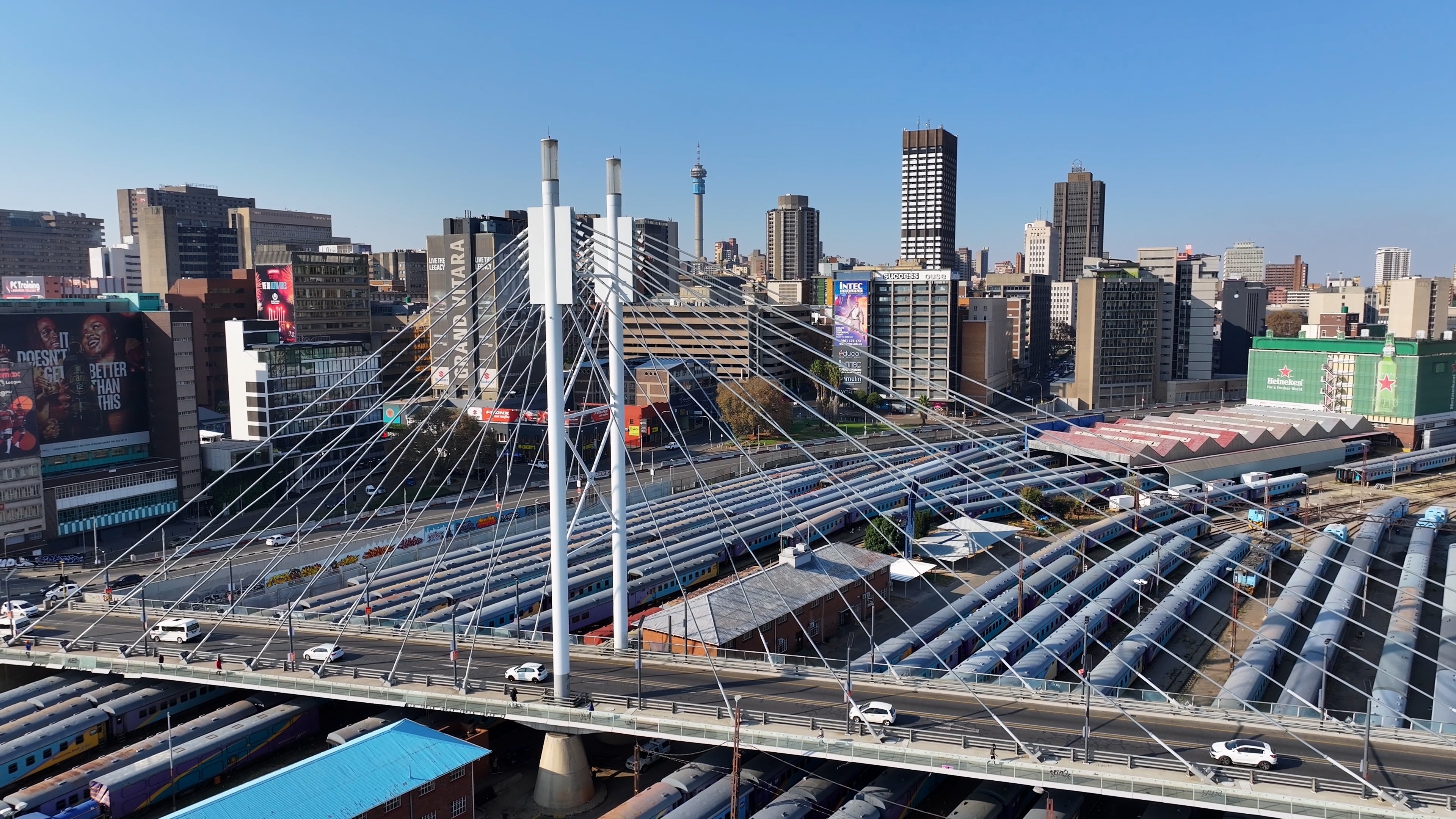
Johannesburg, Gauteng, South Africa - 7.4.2024 - Nelson Mandela Bridge At Johannesburg In Gauteng South Africa. High Rise Buildings Landscape Megacity Background Downtown Day.
© ShutterstockSouth Africa is preparing for yet another election, this time the local government elections. These elections are just as pivotal as the 2024 provincial and national elections, which saw the once-dominant African National Congress lose its outright majority for the first time in over thirty years.
In the previous local government elections, several municipalities already found themselves with hung councils, forcing parties to govern through coalitions. Prime examples include Tshwane and Johannesburg, with the latter now regarded as one of the most dysfunctional metros in the country. So severe is the crisis that former Democratic Alliance (DA) leader Helen Zille has thrown her hat into the ring to stand for mayor, in a bid to restore the city.
Zille is returning to public office for the first time in over a decade, following her exit from frontline politics after coming under fire for tweets in which she appeared to justify colonialism. However, in 2019, during yet another time of turmoil for South Africa’s main liberal party, the DA, Zille re-emerged to stabilise the organisation as Federal Council Chairperson. Now, she has set her sights on rescuing Johannesburg. The ultimate question, however, is whether the people of Johannesburg will vote based on her controversial history or her proven track record as one of the first mayors of the City of Cape Town, where she led one of the country’s earliest municipal coalitions.
Whatever the outcome, Johannesburg and its residents have been left in crisis after years of failed governance and dysfunctional coalition arrangements. We’ve seen many mayors come and go, from ANC mayors to DA mayors. From the liberal party, we’ve seen coalitions during the tenure of former DA mayor Herman Mashaba (who later left to establish his own party, and perhaps the last solid and stable coalition Jozi had) to DA mayor Mpho Phalatse (who later returned to her profession as a medical doctor after much instability in the Jozi council). Instability has become the norm. The question now is whether “Gogo”, as many South Africans refer to Zille, will be able to lead a coalition filled with opportunists, idealists, far-right actors, and far-left factions.
Now more than ever, the people of Johannesburg need clear leadership from politicians — not only in the form of promises to restore the City of Gold, but through tangible plans and decisive action. A functional, workable, and sustainable coalition is essential, not for political gain, but for the sake of residents.
While the elections are scheduled for later this year, indications suggest that Zille may enter council as early as March to familiarise herself with the current state of affairs and prepare for the election — and, inevitably, governance. Her priorities should be clear and focused, first on restoring basic services, including fixing potholes, repairing streetlights, addressing sewage and water challenges, and ensuring a stable electricity supply. These are the basic services Johannesburg deserves.
Of course, the city faces deeper and more complex challenges, including entrenched corruption networks and collapsing infrastructure, particularly buildings occupied illegally. Addressing these issues will require strong cooperation between the local, provincial, and national governments.
Without a doubt, Zille is a liberal — and now more than ever, liberal leadership is needed. However, Johannesburg does not need divisive or one-sided politics. It requires practical governance, sound policy, and leadership aimed at renewing not only a broken city, but a people who have lost faith, trust, and hope in government.
Ultimately, the hope is that a stronger coalition will emerge for Johannesburg — one grounded in liberal democracy and firmly in the interests of its people.