Freedom
Cycling is a powerful expression of freedom – Winde

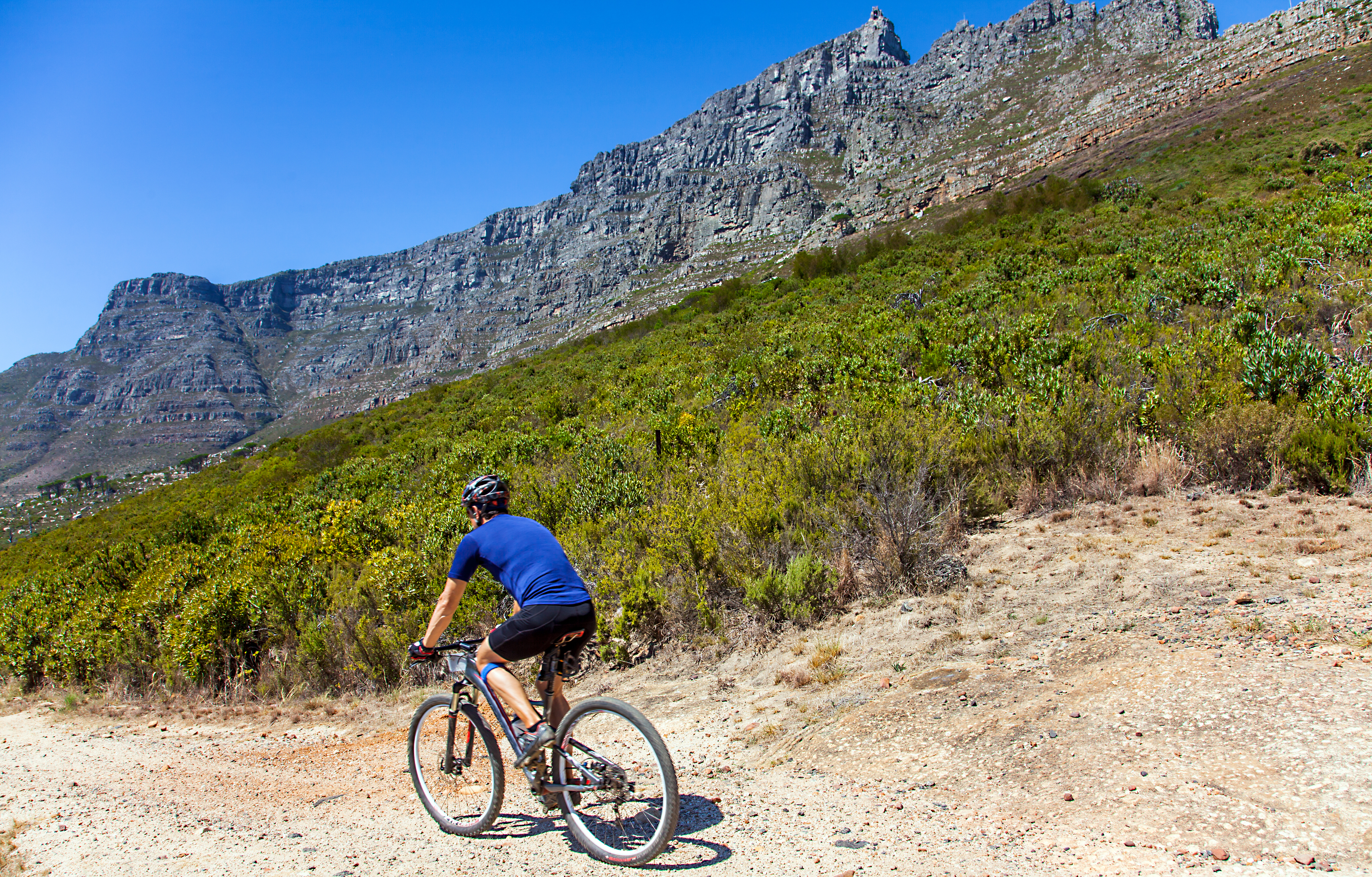
Biker on table mountain Cape Town, South Africa.
© ShutterstockAs a passionate cyclist myself, and after bumping into Western Cape Premier Alan Winde a few months ago while we were both mid-ride in beautiful Cape Town, I sat down with him to talk about all things bicycles.
Many may not know this, but before entering politics, Winde was a businessman. One of his ventures was a cycling shop, which he co-owned with a fellow local in Knysna, his birthplace.
“This was about 40 years ago, when Knysna was a much smaller town,” Winde recalls. “We rented a single garage, removed the door, put in a glass front, and opened the shop. Two months later, we rented a second garage, then a third, and eventually knocked down the walls between them. That’s how the business started.”
The bicycle shop ran for more than 30 years. “I sold my share when I entered politics, but it remained the biggest bike shop between George and Port Elizabeth for decades,” he says.
Growing up in Knysna, Winde fell in love with cycling, much like many other children. His first bicycle was a tricycle, followed later by a chopper, a reflection of how he witnessed the evolution of bicycles firsthand. It was only later, in his early twenties, that he began competing in cycling races. His first major event was Race the Train, from George to Knysna, where cyclists and the train started at the same time.
For Winde, cycling remains a central part of his life. “Cycling is very much part of who I am. In politics and leadership, cycling gives me space to clear my mind. When you’re out on a long road, riding, you have time to think,” he says.
Politics can be demanding and relentless, yet Winde continues to make time for the road, not just for enjoyment, but for a deeper purpose. “I was diagnosed with diabetes, so cycling helps me manage that. Staying healthy is key. But it also serves as an escape, a way to clear my mind and release frustration.”
Cycling, he believes, is a powerful expression of freedom. “Think about a young person who can ride long distances to visit friends or family without needing permission, money for transport, or a lift. That’s freedom,” Winde explains. “I once met a man cycling on a gravel road in a rural area. He had borrowed a bike to ride 20 kilometres to a possible job opportunity because he couldn’t afford public transport. That bicycle gave him access to opportunity.”
Winde also reflects on cycling culture in Europe. “When I was in Berlin last year, it was snowing, and people were still cycling everywhere, parents taking children to school, professionals riding to work in suits. That’s just how mobility works there. We need more of that mindset.”
In South Africa, however, where cycling infrastructure remains limited, the roads can be dangerous. Winde recalls a deeply personal tragedy from his youth. “I lost my brother in a cycling-related incident when he was just 16. After that, I stopped cycling for a while. I only started again later,” he says.
This lived experience has shaped Winde’s approach to governance and mobility in the Western Cape. He explains that this is why the provincial Department of Transport was restructured into the Department of Mobility.
“For me, it’s about how different road users understand and respect one another,” Winde says. “Cape Town is one of the most congested cities in the world. Cycling infrastructure helps decongest cities, improves health, and lowers emissions. We’ve made progress with cycle lanes, but we need more, and we need a better relationship between motorists and cyclists.”