Tanzania
A nation with deep political roots and democratic resolve

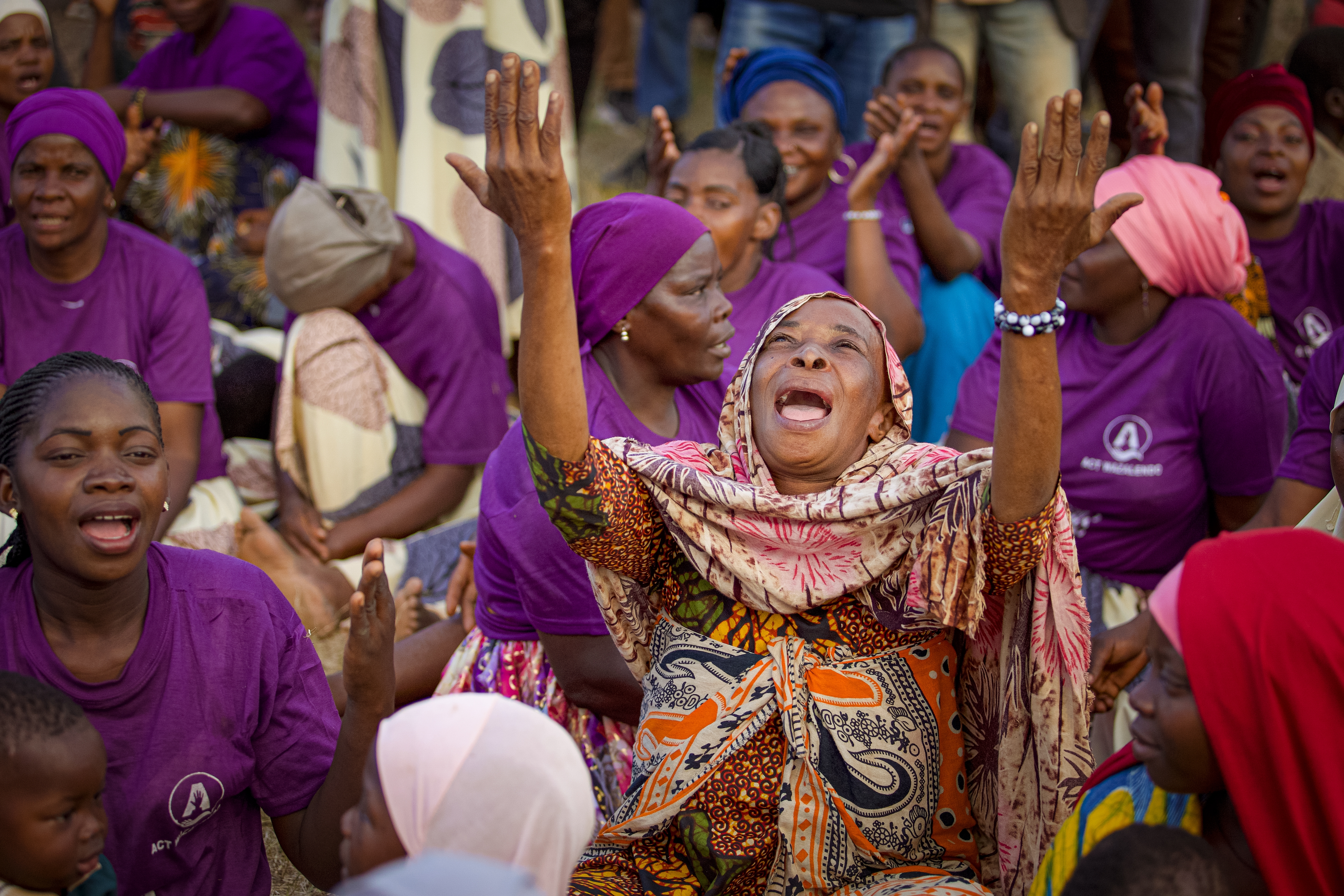
A woman attending a political rally in Lindi region, Tanzania, on July 13, 2025, 2025
© ShutterstockTanzania is among the African nations with one of the oldest political histories. According to historical records, the country has been a major pillar of democracy for some neighbouring states. The founding fathers, Mwalimu Julius Kambarage Nyerere and Mzee Abeid Karume, are often described as products of wisdom, humanity, generosity, and the nurturing values of their time.
It is believed that the guidance and spiritual mentorship Mwalimu received from elders who prayed for him and mentored him helped shape his integrity, his commitment to community values, and ultimately, Tanzanian nationhood as a whole.
Nearly 63 years and 8 months since Tanzania attained self-rule, the country has undergone significant political reforms, transitioning from a single-party system to a multi-party democracy. This progression clearly demonstrates that Tanzania now ranks among the most institutionally grounded democracies in the region.
We have witnessed various political factions and figures vie for leadership. Some have faced setbacks, while others have achieved success through internal party processes. However, confusion has emerged regarding some individuals’ pursuit of power outside party procedures, an approach that the founding fathers strongly condemned. Such unlawful attempts to seize power were rejected as threats to national integrity.
A vivid example occurred during the early 1990s, when a faction within the ruling party, Chama Cha Mapinduzi (CCM), called for the re-establishment of a separate Tanganyika government. Mwalimu Nyerere, drawing on his social and political upbringing, firmly opposed the idea, warning of its dangers.
This incident clearly illustrates how a nation must be built on strong, principled foundations, and that democracy is not solely the domain of politicians, but a shared responsibility of all citizens.
In stark and honest terms, Nyerere declared that the call for a Tanganyika government was not truly about governance, but about resentment towards Zanzibaris, and concealed hostility towards Muslims. He refused to remain silent and, for the first time, publicly named the issues of religious and ethnic bigotry, which he grouped under the broader concept of “apartheid-style discrimination”, warning that such divisions could destroy national unity.
As Tanzania heads towards a general election, we are witnessing a wave of participation from members of various political parties, intensifying competition for the presidency, parliamentary, and local government seats.
Within political parties, some aspirants have been seen to violate ethical norms during internal selection processes. This has prompted strong objections from veteran politicians, who have criticised these developments, especially in the ruling party (CCM), as a breach of established procedures. This situation has led to confusion among citizens, many of whom believe their party processes are no longer adhering to fair practice.
Fambo Shaaban, a 74-year-old elder, eloquently spoke about morality and its foundations, saying:
“Morality is built on firm foundations of norms, manners, customs, faith, religion, and our African traditions. It is through these foundations that national unity can flourish, for they are all rooted in the fear of God.”
We have also seen at least one major opposition party at risk of being excluded from the upcoming elections. This is due to its party leader being held under legal custody, facing charges of treason. The party has declared that it cannot participate in the election unless and until its leader is released.
So the question remains: Is there any hope for this party to take part in Tanzania’s 2025 General Elections?
Political maturity is critical in safeguarding democracy. It signals that Tanzania must now defend genuine democracy, not systems that serve only the political interests of a few.
“Every aspect of a Tanzanian’s life is touched, in one way or another, by the philosophy of the 4Rs: that we must reconcile and resolve conflict; that we must tolerate different perspectives; and that we must uphold respect and dignity without hate, incitement, or divisive language that threatens national unity.”
The 4Rs philosophy, Recognition, Responsibility, Reconciliation, and Reforms, continues to embody the same values instilled by the Father of the Nation, Mwalimu Julius Nyerere. His 24 years of leadership remain a wellspring of valuable lessons when viewed objectively.
Moreover, this philosophy calls not only for correction and progress where needed, but also for reconstruction where things have broken down, so that the nation may rise strong in wellbeing, relationships, and social development.
The General Election for the Presidency, Members of Parliament, House of Representatives, and Councillors will be held in October this year. As this period approaches, Tanzanians are being urged to avoid any language, behaviour, or activity that may undermine national unity, peace, and the exceptional stability that Tanzania continues to showcase across Africa and the world.