Raw materials
Germany's dependence on individual rare earth elements is increasing


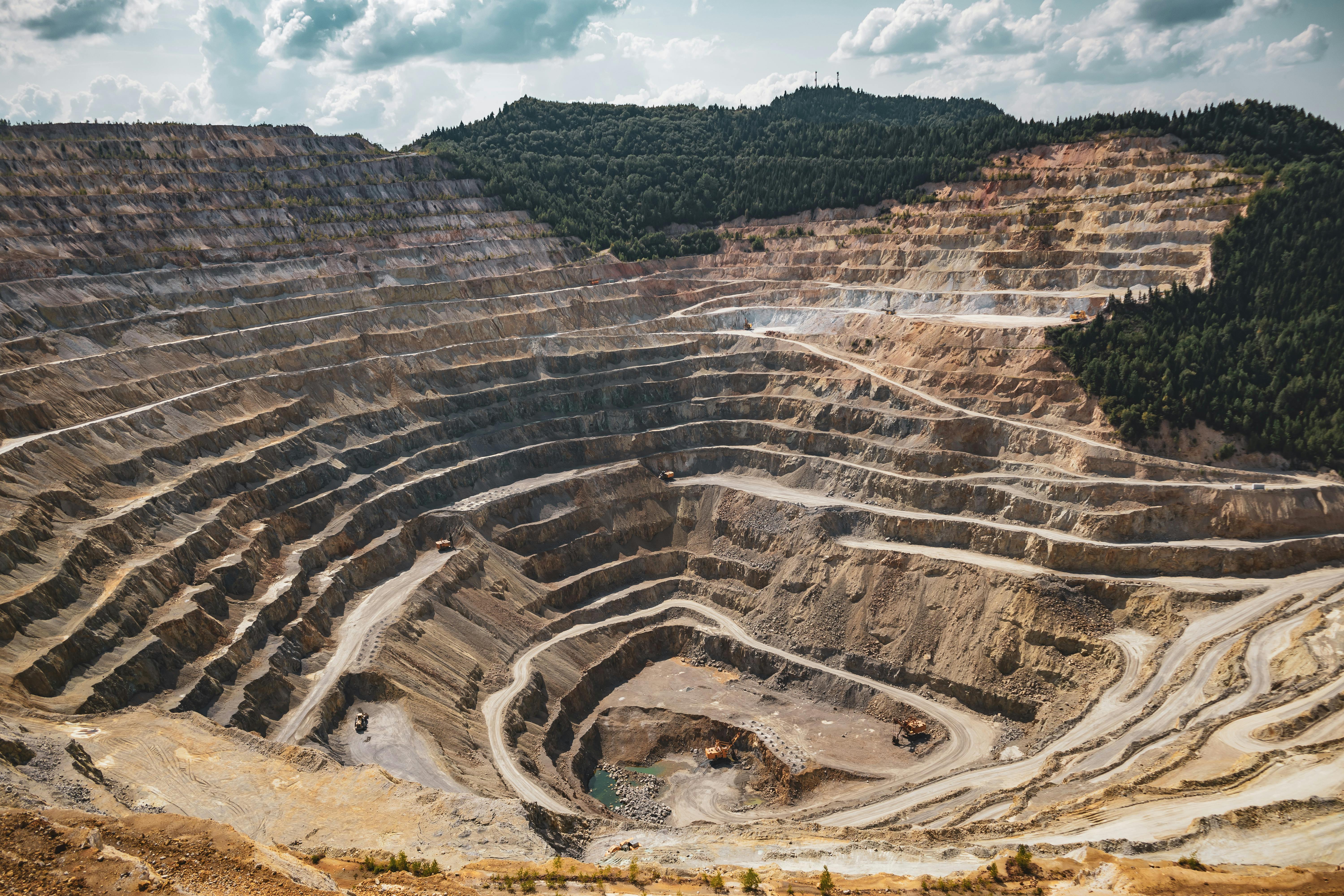
Analysis of the latest figures from the Federal Statistical Office: Despite falling tonnage, there is no cause for complacency regarding scarce elements from China
Germany’s dependence on China’s rare earths remains high and has even increased for certain elements. This is shown by an analysis carried out by the Taipei office of the Friedrich Naumann Foundation for Freedom, based on the latest figures from the Federal Statistical Office.
- China’s share of the value of German rare earth imports rose to 31.2 per cent in 2025, up from 18.6 per cent the previous year. German companies spent around 24.2 million euros on rare earths from China in 2025 – more than double the amount spent the previous year.
- For 9 out of 14 commodity codes covering rare earths, China’s share of the import value stood at more than 50 per cent in 2025; in 2024, this applied to only 7 out of 14 commodity codes.
- For all commodity codes relating to pure rare earths, China’s share of the import value was more than 60 per cent. Pure rare earths have generally undergone more processing steps.
- At the same time, China’s share of the total import volume fell from 65.4 per cent in 2024 to 55.4 per cent in 2025.
The import volume indicates how much of a commodity was imported. The import value describes the financial value of these imports. If the volume share falls but the value share rises at the same time, this suggests that China continues to supply particularly important, hard-to-replace or higher-value segments and commands higher prices.
The EU classifies rare earths as critical raw materials. Rare earths that are particularly important for permanent magnets are also considered strategically relevant because they are economically significant, involve high supply risks and are required for key and future technologies. The automotive industry, for example, needs them for electric motors.
This strategically relevant group includes, for example, praseodymium, neodymium and samarium. The Federal Statistical Office records these elements with a purity of more than 95 per cent by weight under commodity code WA28053029. In this commodity group, Germany remains almost entirely dependent on imports from China. At the same time, the volume of imports rose from 3.3 tonnes in 2024 to 13.0 tonnes in 2025.
Scandium with a purity of 95 per cent by weight or more (WA28053040) is also notable: China’s share of the import value in this category jumped from 47.3 per cent to 99.6 per cent within a year. This raw material is used, amongst other things, in high-performance alloys for the aerospace industry and in fuel cells. Pure scandium is imported only in small quantities, but is very expensive and has recently seen a further significant rise in price.
The situation remains tense for compounds of europium and other rare-earth metals (WA28469070) as well. Although China’s share of the volume here fell significantly in 2025 from 65.6 per cent to 31.9 per cent, At the same time, however, China’s share of the import value rose from 47.5 per cent to 50.1 per cent. Europium is primarily relevant for phosphors and is therefore significant for displays and screens, amongst other applications.
Note on methodology:
The analysis is based on 14 commodity codes from the foreign trade statistics covering rare earths and their compounds (WA28053010, WA28053021, WA28053029, WA28053031, WA28053039, WA28053040, WA28053080, WA28461000, WA28469030, WA28469040, WA28469050, WA28469060, WA28469070 and WA28469090). The data is based on Tables 51000-5013 and 51000-0015 from the GENESIS database of the Federal Statistical Office.

Frederic Spohr heads the Foundation’s offices in Taipei and Seoul.
Céline Nauer is a project consultant at the Foundation’s Global Innovation Hub in Taipei.