30 years Srebrenica
30th anniversary of the genocide in Srebrenica: Against the unculture of looking away

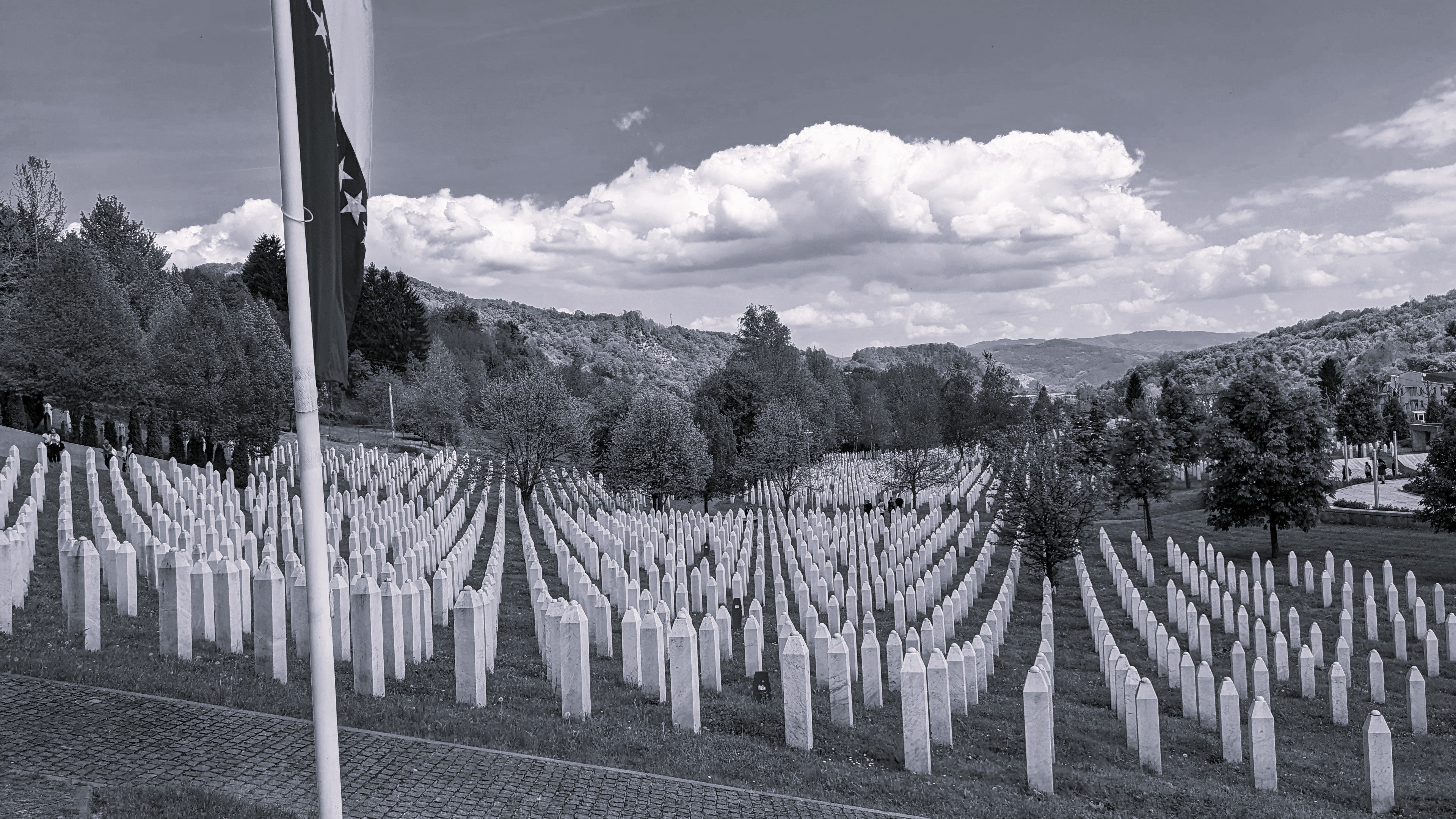
Graves of the victims of Srebrenica.
© Markus Kaiser (FNF)Anyone who has ever visited the graves of the victims of Srebrenica, seen the places of selection, heard the testimonies of the surviving mothers and daughters, almost despairs of the unconditional claim “Never again!”. The genocide against the Bosnian Muslims should never have happened after the “Never again” after the Shoah. And yet the UN, the EU, NATO, the Council of Europe – and whatever our institutions are called – allowed it to happen. Admittedly because no one could have imagined such horror on the European continent.
One of the many lessons to be learned from this is that breaches of civilization can happen again and again if we do not recognize that the international community has a responsibility to protect. The international law concept of the “Responsibility to Protect”, which was developed as a result of the genocides in Rwanda and Srebrenica, therefore remains timelessly important, even if its implementation remains hampered – as was recently the case in the Syrian civil war. Yes, each of these conflicts has its own specifics, but the decisive commonality – the targeted and ruthless annihilation of perceived adversaries – still remains far too often without consequences in the 21st century.
This unculture of looking the other way must end! It remains the task of German foreign policy, in particular, to never again allow looking away, even if there are currently hardly any concrete options for action.
Strong condemnation of genocide denial
But Srebrenica has two other crucial messages for us today. Firstly, that the denial of genocide must be more strongly outlawed internationally. The fact that the Bosnian Serbs, and with them a good part of official Belgrade, deny the atrocities of Srebrenica cries out to heaven. And then there is the fact that the EU urgently needs to continue its work of stabilization and pacification with the countries of the Western Balkans.
For many hostile states in the region, the prospect of becoming a member of the EU in the future is the only way out of hatred, segregation, organized crime and outdated views of history. Let us see in these states not only their problems, but also their potential, both human and economic. They are Europeans like us, with all our strengths and weaknesses, we belong together.
Michael Georg Link is a former member of the German Bundestag and Deputy Chairman of the Board of Trustees of the Friedrich Naumann Foundation for Freedom.