30 years Srebrenica
The Shame of Srebrenica
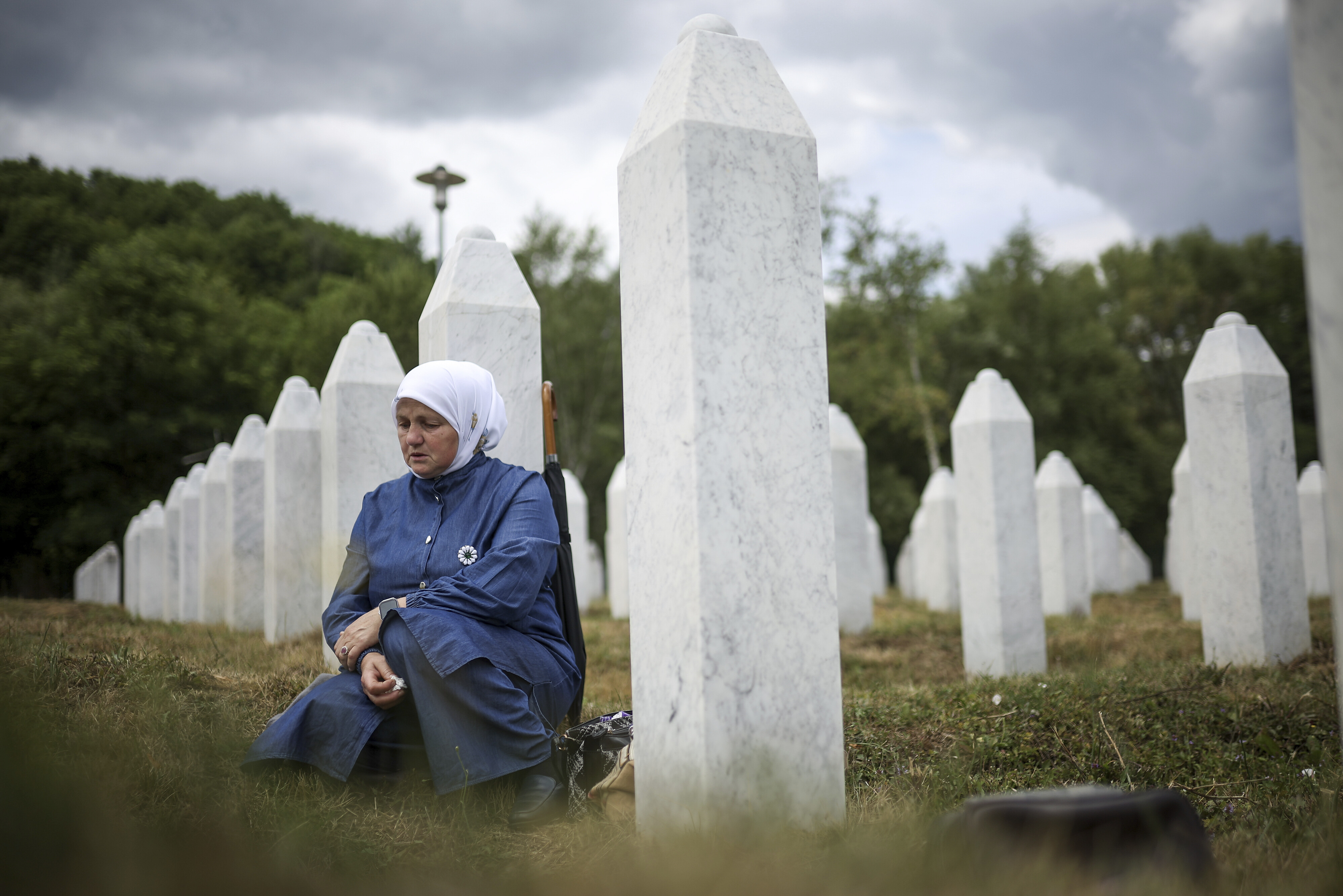
A woman mourns next to the grave of her relative, a victim of the Srebrenica genocide.
© picture alliance / ASSOCIATED PRESS | Armin DurgutJuly 11, 1995 will forever remain etched in Europe's memory. In Srebrenica, the largest massacre since the end of World War II took place. Soldiers of the Army of Republika Srpska and Serb paramilitary units, led by Ratko Mladić, murdered 8,000 Bosniaks, most of them men. The horrifying events were later proven with overwhelming evidence in court proceedings in The Hague and are now considered indisputable.
The massacre rightfully stands as a profound moral nadir in Europe’s postwar history. Its impact is still felt today. Beyond the sheer brutality of the act, two reasons are particularly significant:
- The massacre unfolded in full view of more than 400 Dutch UN peacekeepers. Lightly armed and without permission to use force to fulfill their mission, they remained largely passive. The UN thus proved itself utterly incapable of fulfilling its humanitarian mandate by military means—a tragic demonstration of the inability to turn lofty moral appeals and words into concrete, practical action. In 2022, the Dutch government formally asked the victims’ descendants for forgiveness. While this respectable gesture is meaningful, it does not change the fundamental powerlessness of the UN when it comes to military intervention by the international community. Even today, the UN is far from being able to enforce its legally mandated “responsibility to protect“.
- To this day, parts of the world continue to deny or downplay the genocidal nature of the massacre. This is especially true for politicians in Serbia and in Bosnia and Herzegovina. Among Serbian nationalists, it is common political rhetoric to portray the events as a “normal” act of war or revenge, rather than as the well-documented, premeditated operation that it was. This attitude is further supported internationally by voices from Europe’s right-wing populist circles, as well as by prominent intellectuals such as Austrian writer Peter Handke, who was awarded the Nobel Prize for Literature in 2019. On numerous occasions, Handke advocated for understanding of these atrocities—and was lavishly honored by the Serbian state for doing so.
Thirty years on, the shame of Srebrenica should fill every democratically minded European citizen with sorrow—and with deep compassion for the families of the victims.

Karl-Heinz Paqué, Chairman of the Friedrich Naumann Foundation, welcomed H.E. Damir Arnaut, Ambassador of Bosnia and Herzegovina, on the occasion of the 30th anniversary of the Srebrenica genocide.
© FNF30th anniversary of the genocide in Srebrenica: Against the unculture of looking away
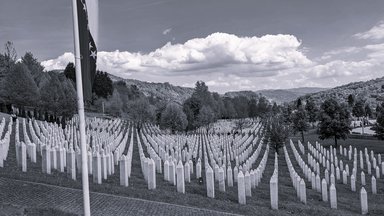
30 years ago, the genocide of Srebrenica shook Europe. To this day, it shows how important international responsibility and the outlawing of genocide denial remain for peace and humanity.