Women Empowerment
Women of the Mekong Delta: Entrepreneurship Transforms Lives and Communities

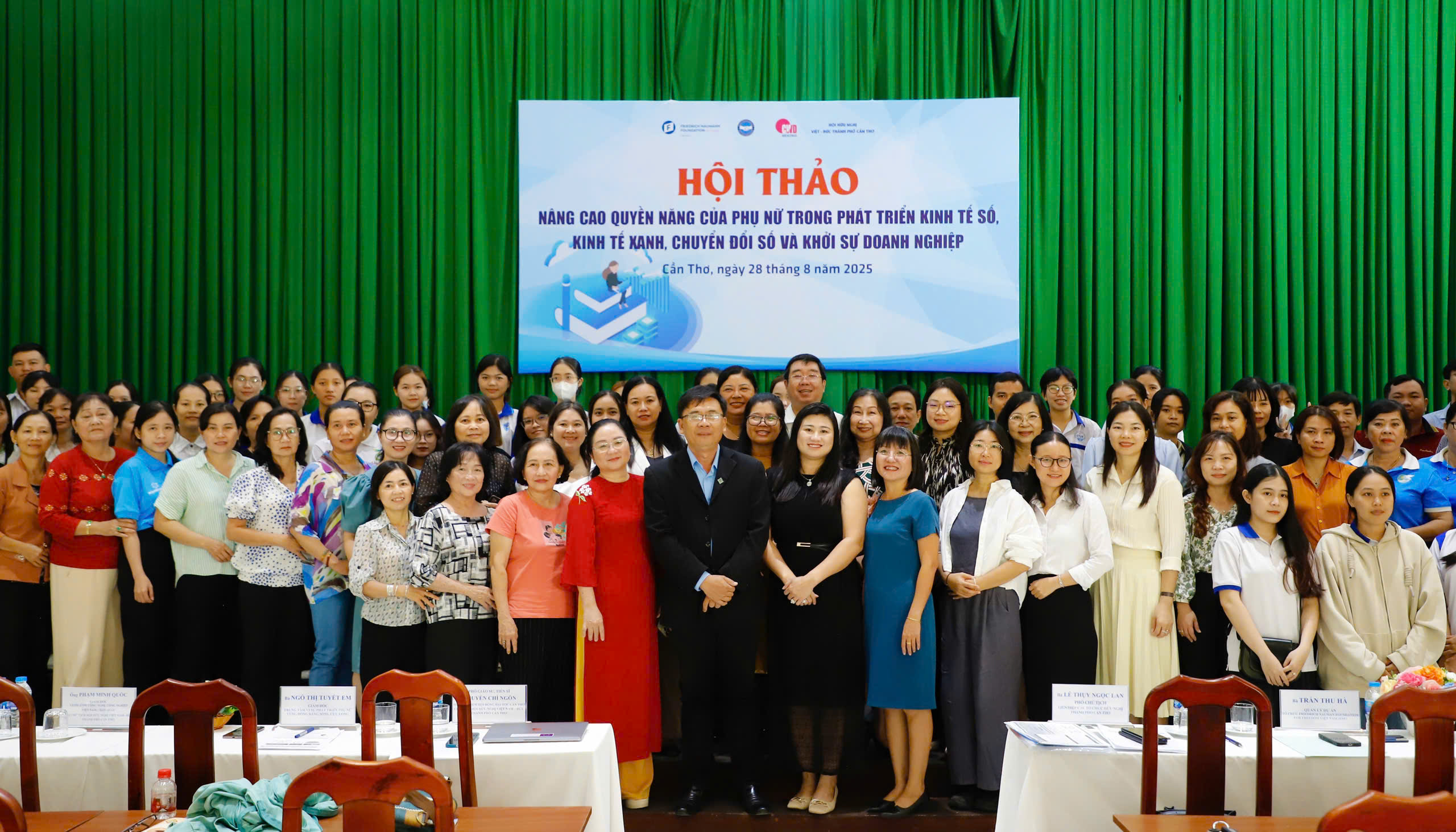
The conference “Empowering Women in the Digital Economy, Green Economy, Digital Transformation and Entrepreneurship”, Can Tho, August 2025
Can Tho, August 28, 2025 – The conference “Empowering Women in the Digital Economy, Green Economy, Digital Transformation and Entrepreneurship” gathered experts, female entrepreneurs, students, and social organizations. More than a forum for discussion, it became a stage for the powerful, everyday stories of women in the Mekong Delta who are reshaping their futures through entrepreneurship.
Challenges and Opportunities
Climate change, the digital economy, and global integration present both hurdles and possibilities for women in the Mekong Delta. According to MSc. Ngo Thi Tuyet Em, Director of the Center for Women’s Development in the region, 63.7% of women of working age are engaged in elementary jobs in the informal, non-agricultural sector, and the majority remain outside the social insurance system.
Carrying the “double burden” of earning an income while caring for their families, many women lack time to acquire new skills. Against this backdrop, entrepreneurship, digital tools, and green economy initiatives have become key pathways for women to build resilience, boost incomes, and contribute to community growth.
From Crops to Herbal Medicine
Pharmacist Doan Thi Hong Tham saw potential where others saw only surplus harvests. She founded Hygie & Panacee, pioneering instant herbal teas made from local crops.
Her innovation extended the shelf life of fresh produce from just days to 18 months, proving that Vietnamese agriculture can compete in the global wellness market. Importantly, her distribution network is run mainly by women – from young mothers working from home to small shop owners. Tham’s journey shows that when a woman dares to start a business, she creates value not only in products but also in opportunities for hundreds of others.
Green Models, Circular Futures
Luu Thi Nhat Hang turned worm farming into the Ngũ Thường Mekong Cooperative, a model of circular agriculture that integrates renewable energy. Meanwhile, MSc. Nguyen Thi Kim Thoa launched Abavina, supporting farmers with eco-friendly practices, technical know-how, communication, and distribution strategies built on local resources.
Women make up more than 70% of the workforce in these models. They are not only producers but also learners – trained to manage yields, trace products with QR codes, and livestream their sales. From worm farms to smartphones, their progress shows how rural women can adapt and thrive in the digital age.
The shared approach – “community problems solved by the community” – combines the strengths of farmers, experts, and partners, building ecosystems that deliver sustainable, lasting impact.
Preserving Crafts, Preserving Culture
For some, entrepreneurship is as much about heritage as it is about income. In Can Tho, national artisan Truong Thi Bach Thuy founded the Thuy Tuyet Bamboo and Rattan Cooperative, bringing together more than 30 members, mostly Khmer women.
At a time when traditional weaving faced decline, Thuy turned bamboo and rattan into contemporary products linked to tourism and souvenirs. By reviving the craft, she not only created stable livelihoods but also safeguarded cultural identity in a fast-changing world.
From Tri Ton to the World
In An Giang, Chau Ngoc Diu embodies resilience. A finance graduate, she could have chosen a stable city job, but instead returned to Tri Ton to revive the Khmer tradition of palm sugar making.
Her brand Palmania maintains a natural production process and has earned international recognition, including the Great Taste Awards, with products now sold in Europe. A women-founded and women-led enterprise, Palmania creates jobs for the Khmer community while elevating the role of women in global value chains. From a poor rural district, Diu proved that local products can reach the world when driven by belief and determination.
Women in the Digital Economy
Despite their progress, challenges remain. Dr. Cao Minh Tuan of Can Tho University noted that only 30.5% of rural women possess basic digital skills. While modest, this figure points to the potential for tailored training programs.
“If women are fully included in the digital economy, they bring diversity, creativity, and value to growth,” he said, stressing that “investing in women is investing in inclusivity and sustainability.” He called for stronger financial support, digital consulting, and networks for women entrepreneurs.
When Women Rise, Communities Change
The stories shared at the conference varied but carried a common message: women’s entrepreneurship in the Mekong Delta is about more than profit. It is about aspiration, responsibility, and identity – shaping livelihoods, communities, and culture.
From herbal teas and worm farms to bamboo crafts, palm sugar, and Abavina’s green agriculture, one theme was clear: women are a driving force for sustainable development. They are not only building businesses but also preserving traditions, spreading opportunities, and leaving their mark on the digital and green future.

Mrs. Lê Thụy Ngọc Lan – Vice President of the Union of Friendship Organizations of Can Tho City, delivered the opening speech and moderated the presentation session at the workshop.

Druggist Đoàn Thị Hồng Thắm, CEO of Hygie & Panacee.

Ms. Trần Thu Hà – Representative of FNF Vietnam, shared that when women are equipped with knowledge, tools, and confidence, they will become pioneers in innovation and sustainable development

Assoc. Prof. Dr. Nguyễn Chí Ngôn – Vice Chairman of the University Council of Can Tho University, Chairman of the Vietnam–Germany Friendship Association of Can Tho City, expressed his wish to sustain support activities that inspire women’s entrepreneurship and amplify the strong voice of Vietnamese women.

Dr. Cao Minh Tuấn, School of Economics, Can Tho University and Ms. Chau Ngọc Dịu, Co-founder of Palmania JSC.

Participants discussing products and the business model with the CEO of Hygie & Panacee

Certificate of appreciation presented to the speaker by the organizers