Dream Constitution
Dream Constitution in Prison, leaving no one behind

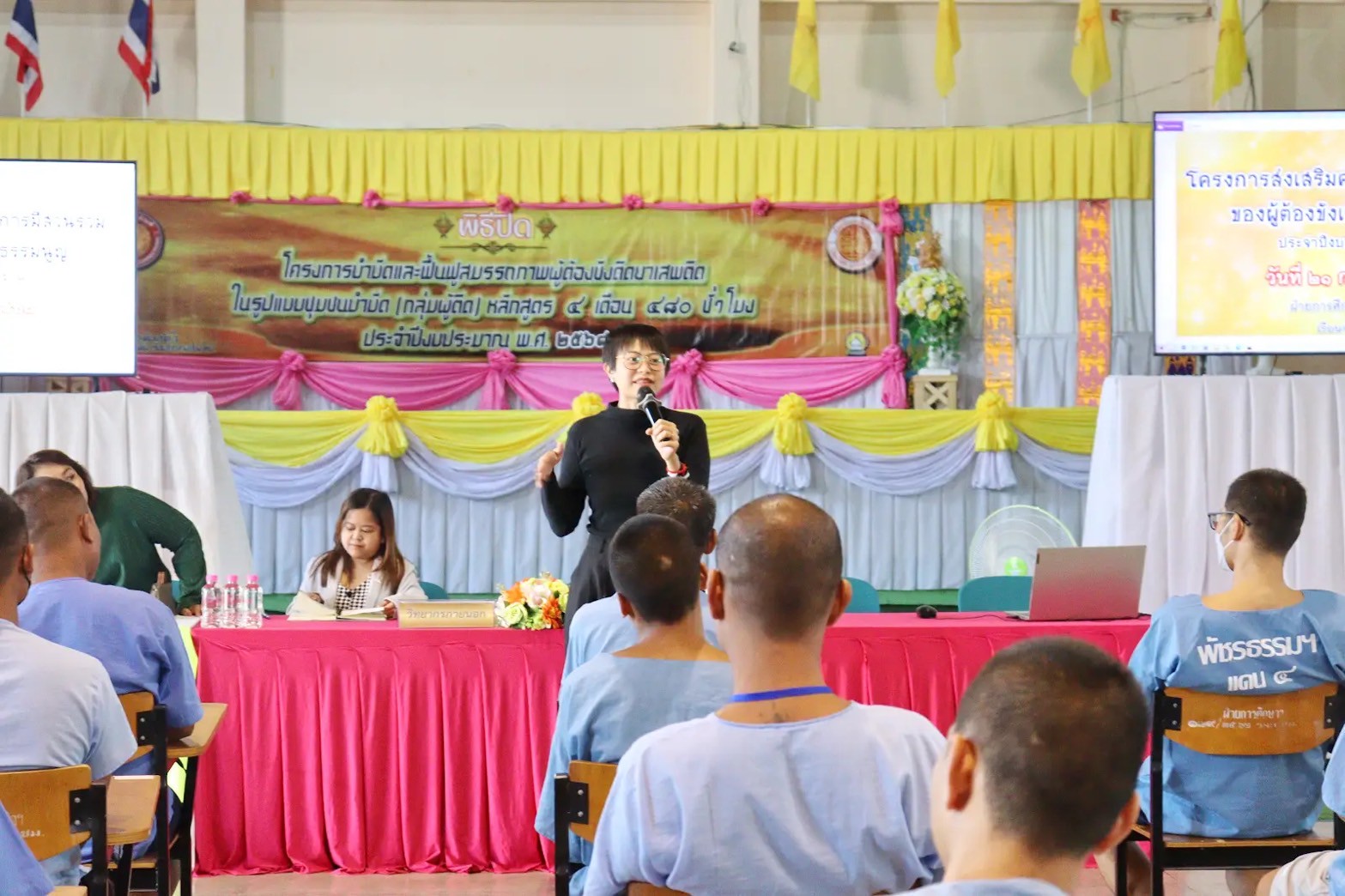
Dream Constitution in Prison
© Department of Corrections ThailandConstitution amendment is one of the main topics in Thai politics, as Thailand’s current constitution is criticized for its military influence. The current government, led by Anuthin Charnvirakul, set amending the current constitution as its key agenda before the plan to dissolve the parliament next year. Just this week, Thai parliament approved a draft of the amendment, setting path towards a new version of the charter.
In the meantime, FNF Thailand, in partnership with Thailand’s institute of justice (TIJ), and Wevis organized Dream Constitution workshops in correctional institutions across Thailand. The aim of the project is to provide a platform for marginalized groups, particularly the incarcerated persons, to be able to express their opinions, thoughts, and ideas about the current constitution. As the constitution is the supreme law of the country, every voice in the society should be heard in its making .
Engaging in an innovative way
People in prisons are not encouraged to express themselves, as their lives are under strict regulations. In order to obtain their opinions, the organizing team carefully designed each activity in the workshop to accommodate and provide a safe space for participants to express their thoughts and ideas.

Participants playing FNF’s Rights Card Game
© Department of Corrections ThailandFirst, participants were introduced to FNF Thailand’s Rights Card Game. We selected specific scenarios that were familiar to them, highlighting the unfair treatments in the society. Instead of the normal gameplay of Rights Card game, we used the method of “Head, Heart, Hand;” participants were asked with simple questions such as
• “What do you think about the case ?”
• “How do you feel?”
• “What can we do about it?”
The aim of this activity was to familiarize participants with human rights concept from real life cases, and to get to know each other better.
Next, participants took a short quiz to assess their basic knowledge of the constitution. This was followed by a lecture by professors from Thammasat University. The lecture content was tailored for incarcerated participants, emphasizing their rights and responsibilities during and after imprisonment.

Participants sharing their dreams and hopes to the group
© Department of Corrections ThailandWith this foundation, participants were set to elaborate their dreams and hopes with the concept of constitution in mind. They were asked to share two issues:
• The most important event in life
• Dream life where I have rights
The first question helped reveal personal experiences that shaped their aspirations, while the second encouraged them to envision a fair and dignified future. Rather than writing only, participants were encouraged to draw their ideas, sparking dialogue and exchange as they explained their illustrations.
Overlooked voice
The most common dreams expressed by participants are the rights to be forgotten. Many were concerned about the life after incarceration; living with criminal records unavoidably means fewer jobs and opportunities, and sometimes social stigma.
However, with the current regulations and laws in Thailand, having ones’ criminal records erased is extremely rare. “I want to go back and work as a journalist as before” one participant shared, “But with criminal records, obtaining a journalist license is beyond imagination and I don’t know what to do.”
Another recurring theme was the access to legal assistance and justice. Several participants said they had not fully understood the charges or legal processes in their cases. Many found volunteer lawyers difficult to reach or insufficiently skilled, leaving them to rely on more experienced inmates for help with filing reports or requests.
Some participants also drew from their personal backgrounds, sharing that a lack of access to fundamental rights, such as education, had contributed to their circumstances. They hoped the state would guarantee these rights to all citizens. “I want my kid to study higher and I want the government’s help in supporting his education, so that he will have more opportunities and will not make the same mistakes as I did,” one participant said.

Participants writing postcards expressing their dreams
© Department of Corrections ThailandIn the end of the workshops, participants wrote postcards to express their dreams and hopes for the future of Thailand.
About the project: The organizers have compiled opinions, dreams, and hopes of all participants in a database available to public. So that once the constitution drafting process starts, the voice of these often-unheard groups of people will be at least heard and seen and hopefully reflected in the shaping of the future of their country.
Link to the database (in Thai): DreamCon
* Takdanai Ketkaew is Programme Assistant and Communication Officer at FNF Thailand