Elections 2026
Cilliers Brink on stability, reform and the future of Tshwane

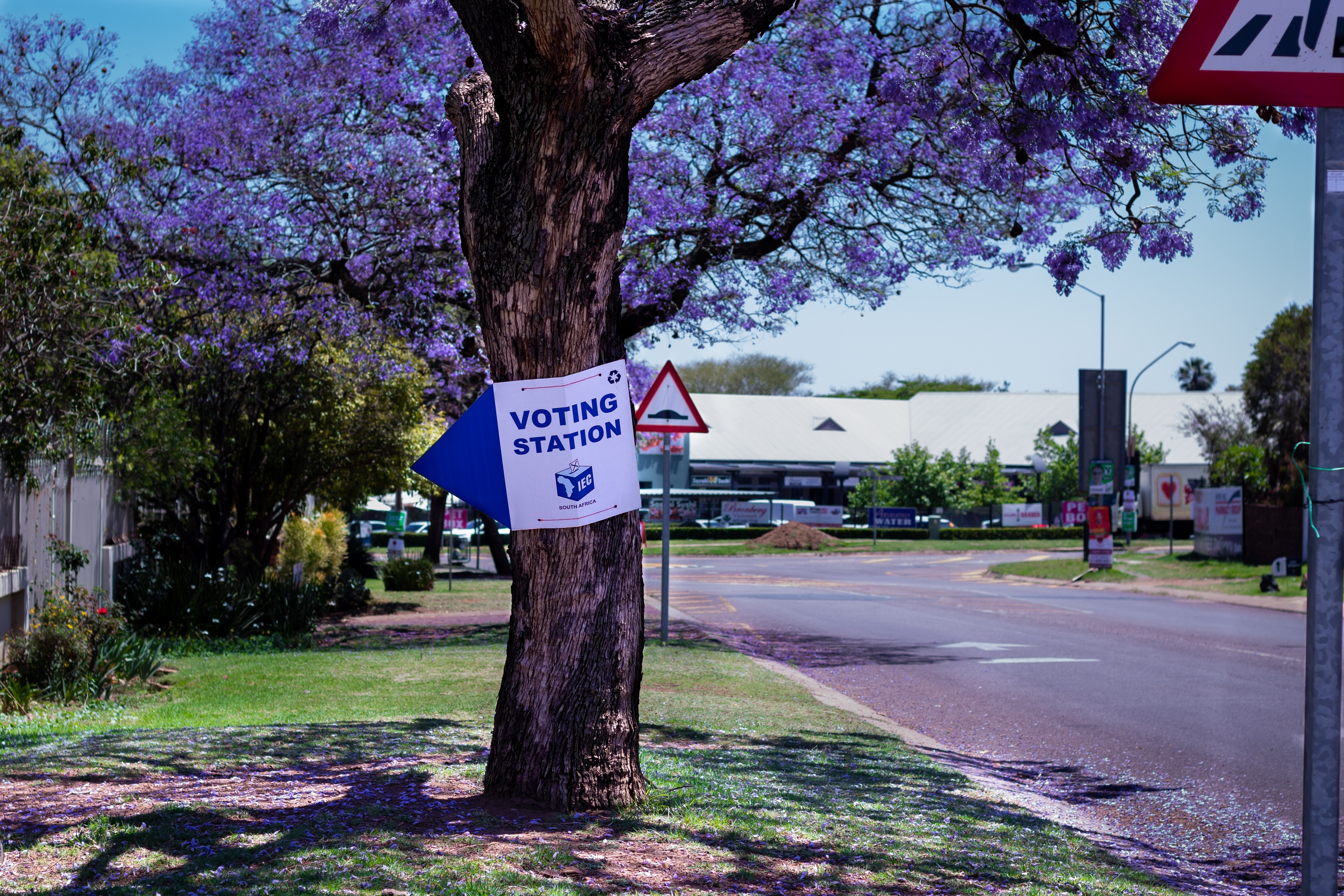
PRETORIA, SOUTH AFRICA - Nov 01, 2021: A South African IEC voting station sign for the local government elections
© ShutterstockSouth Africa’s capital, Pretoria, part of the Tshwane Metro, serves as the administrative capital of the country. It is home to the Union Buildings, the seat of government. As such, it remains a key political battleground during local government elections.
For South Africa’s liberal party, the Democratic Alliance (DA), Tshwane is of strategic importance. We spoke to Cilliers Brink, currently a councillor and former mayor of the City of Tshwane. Brink was removed through a motion of no confidence in 2024, led by the African National Congress (ANC), following the departure of one of the DA’s coalition partners, ActionSA, which argued that the DA was not adequately delivering services to townships and poorer communities.
Like Johannesburg, Tshwane is one of South Africa’s coalition-run metros, where political instability has often led to a revolving door of mayors. Brink argues that during his tenure, instability was driven by political interests threatened by reform.
As the country heads into another local government election in November, Brink says the DA is focused on securing stability and ultimately, a majority.
Q: What is different this time around?
Cilliers Brink: What is different now is that we have significant experience in government. But more importantly, there is a real prospect of forming a stable coalition that can actually deliver.
In 2016 and again in 2021, voters chose change. But each time, the result was a fractured council. And no matter how capable or courageous a mayor may be, without the support of council, you cannot pass a budget. You cannot appoint competent officials. You cannot remove those who are failing. You cannot raise long-term financing.
Without that stability, you simply cannot implement meaningful reform. This time, there is a clearer choice and a stronger prospect of stable governance.
Q: What concerns you most about the state of Tshwane?
Brink: Aside from the financial strain, my biggest concern is infrastructure, power outages, water outages, and the deterioration of basic services.
Many of these problems are the result of poor budget decisions. If you do not invest in infrastructure, if you do not fix water pipes or maintain electricity networks, you end up spending more on emergency solutions like water tankers. That is consumption spending. That money should have gone into long-term infrastructure.
When that happens, it creates opportunities for corruption and for tenderpreneur networks to take control of essential services. We have to rebuild infrastructure and ensure money is spent where it creates long-term value.
We must also explore partnerships with the private sector to unlock new solutions and improve service delivery.
Q: Tshwane has seen unstable coalitions. What is your message to voters?
Brink: The message is simple: stability matters.
In previous elections, the vote was highly fragmented. In some metros, nearly 19 parties were represented in council. The more parties you have at the decision-making table, the harder it becomes to form a stable government.
Imagine one mayor serving a full five-year term, able to take responsibility for both progress and setbacks. That is only possible with a stable governing arrangement.
That is why I also believe we should consider electoral reform, such as introducing a 1 percent threshold for representation. Many proportional representation systems globally require parties to cross a minimum threshold to enter parliament or council. A similar approach could make our metros far more governable.
Q: Beyond local government, how should South Africa define its priorities?
Brink: South Africa needs clarity about its national interest.
Our primary national interest must be economic growth, creating jobs and opportunities, especially for young people. That should guide our trade policy and diplomacy.
At the same time, as a democracy committed to human rights, it is also in our national interest to support other democracies and promote those values both at home and abroad. Strong cities, a growing economy, and democratic principles go hand in hand.