East Europe
Cool Patriotism and the Renaissance in Eastern Europe
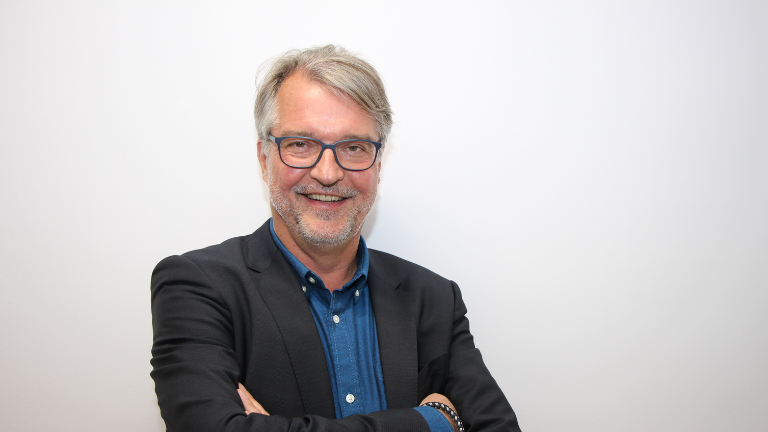
Martin Kothé
© FNFI. The Five-Year Chapter
Martin Kothé served for 5 years as the Regional Director of Friedrich Naumann Foundation for Freedom (FNF) for East and Southeast Europe and Project Director for FNF Bulgaria and North Macedonia. In addition, Martin took other temporary leadership roles for FNF South Caucasus and FNF Turkey as well.
Read his deep reflection on his time in East Europe, the concept of ‘cool patriotism’ and what could the West learn from the East and much more in this farewell interview. We thank Martin Kothé for his vision and commitment since 2020. We wish him the best of luck for his new posting as Director of FNF Jerusalem office.
- When you look back at your five years with the Foundation, what feels like the defining theme of that chapter?
All across Eastern Europe, our mission is to fight for freedom and democracy for every single individual in the region. Our rights have come under immense pressure, and it’s up to each and everyone of us to stand up for them.
- What did you understand about East and Southeast Europe at the end of your term that you did not fully grasp or expect at the beginning?
To the people of Eastern Europe, freedom is something they can physically feel. So standing up for it is something that comes natural to them because they have a vivid memory of the alternative, un-freedom. People care for democratic values, and they do not take them for granted. This gives them a great inner strength, and a commitment to democracy. Plus, they are more experienced in the defense of democracy because it’s been under attack for much longer than in the West. The key challenges to democracy in Europe all come from the East, and they are moving west fast. Eastern European democrats are your go-to people if you want to learn how to defend democracy.
- Was there a moment when you realized your role here would matter more than you initially expected?
There is nothing Westerners can teach Eastern Europeans when it comes to democracy and freedom. To the contrary, it’s us that have so much to learn from Eastern Europeans. But to support and strengthen Eastern Europeans in their fight for their rights is meaningful, it has impact, and it helps to bring about change. We are here for a purpose, and that gives you strength.
Cool Patriotism in Eastern Europe
Discovering the Eastern European universe has come as a revelation to me. I am ashamed I only discovered this world so late in life, but I remain truly grateful for my years out East.
- Explain the concept of Cool Patriotism and the renaissance in Eastern Europe?
I came to Bulgaria in the summer of 2020, at a time of protests. Every night, thousand would take to the streets and demand their government to step down, and they would wave the flag and sing the national anthem. I found this very moving, and it was patriotism at its best, not nationalism. People love their country and its symbols, and they are willing to contribute personally to bring change. I was touched by their example, and I call it cool patriotism. We don’t have it in the West, and we should bring it there.
- In what ways is Eastern Europe ahead of the West/North of Europe?
If you think of it, all the major threats to democracy and freedom come from Eastern Europe, be it populists or autocrats. Like it or not, these threats define the modern age, and Eastern Europeans have been living with them for much longer than Westerners, and they are much more acutely sensitive to them. So in a way, Eastern Europeans are pioneers in the defense of democracy, and the bad guys in the West are often just imitators of their Eastern originals.
- What is the biggest strength and weakness of Eastern Europe?
The strength is in the people, and the weakness is in bad politicians. Eastern Europe has too many of them, and they have proven to be contagious, spreading their disease to the West.
- What gives you the most hope in the region right now?
The people. The people of Ukraine, in particular. They are shining examples of the strength of democracy and human decency as such. Who wants to live like Russians?
- What concerns you most about its trajectory?
The bad politicians of Eastern Europe will fight for their autocracy and populism until the last drop because they know their alternative is prison or worse. That’s a big motivator for doing bad things to many people.

Martin Kothé For Freedom
© FNFPrograms and Impact
- What is a moment from your time in the region that you will never forget?
I met politicians who really believed in democracy, freedom and universal human rights from the bottom of their hearts, who are really driven by this believe. In quite many cases, they were successful business people who felt they wanted to give something back to their countries. True idealists, they are cool patriots in the best sense of the word.
- What change in the political or civic landscape of East and Southeast Europe or Bulgaria makes you think, “We contributed to that”?
I think for Bulgaria we can honestly say we contributed to the reformist government of Kiril Petkov, Assen Vassilev and Nikolay Denkov, and I am proud they are friends.
- Was there a program or initiative that surprised you—either because it exceeded expectations or because it taught you something important?
I think the Liberal Communicators Network turned out to be such a surprise. I mean, initially it was just another online format (yawn…!), but its participants really drove it to next level with each class for the last 6 years.
- How do you personally define impact in a region where democratic development is often nonlinear?
At best, we can help bring in new governments that work hard to bring change to their people and fight corruption, undermining the rule of law and autocracy. At worst, we can support and encourage civil society people that are in opposition to corrupt and autocratic governments. Both ends of the spectrum are meaningful to me.
Leadership and Personal Growth
- How has leading in this region changed you as a professional—and as a person?
FNF’s ESEE people are the biggest team I ever had the privilege to lead, and I learned so much from them. In order to operate successfully in a foreign country, you need to rely on your people on the ground. It’s their judgment that drives and defines programs, not mine.
- What leadership lesson did you learn the hard way during your ESEE times?
I am a person ready to invest trust in my people. I hate to discover when I make a wrong investment.
- Was there a decision you struggled with that still stays with you?
It wasn’t easy to split ways with the Movement of Rights and Freedom (former DPS, now called The Alliance of Rights and Freedom) in Bulgaria, but it was the right thing to do for FNF, and I believe this decision had lasting impact.

Jules Maaten and Martin Kothé
© FNFLiberal Values in Practice
- In a time of democratic backsliding in parts of Europe, what does defending freedom mean in practical terms?
It’s a very personal quest in my opinion: standing up for every person’s right to live their own life to the fullest of their aspirations as long as they don’t bring harm to other people.
- Have you seen attitudes toward liberal values shift during your tenure?
Sure, and there is a sexiness to populists and autocrats that we need to understand better to improve our own sexiness. Plus, we democrats need to make sure that democracy really works and delivers to people’s lives.
- What does resilience look like for liberal actors in challenging political environments?
People who believe in democracy essentially are people who believe in mankind. No need to adapt there, I say. But we need to take a closer look at our own failings. Democracy will thrive when democrats deliver – it’s that simple.

Martin Kothé in Potsdam
© FNFLooking Ahead
- What unfinished work would you encourage your successor to prioritize?
The good thing about FNF is that all of our work is eternally unfinished, so I’m sure my friend and successor Jules Maaten will discover his own priorities in the united Europe region.
- If you could give one piece of advice to young leaders in East and Southeast Europe, what would it be?
Stay in your country and make it better. Nobody before you has ever had a better chance for that.
- When you return to the region in ten years, what do you hope will have changed?
I would hope that roads and sidewalks in Sofia will be better.
- What will you miss the most?
Undoubtedly, the food. Bulgarians are foodies without talking about it. There is no such thing as a bad meal wherever you go.
- What will you not miss?
Bulgaria is the land of glorious imperfection. Always, something will not work. But you will always find someone who makes it work. Stay that way and take it easy. And remember: “When too perfect, lieber Gott böse.” (Nam June Paik)
- What is next for you in the Friedrich Naumann Foundation for Freedom?
I will move to Jerusalem to head FNF’s office there. Very much looking forward to!