Climate
Towards Climate Justice with a Gender Lens

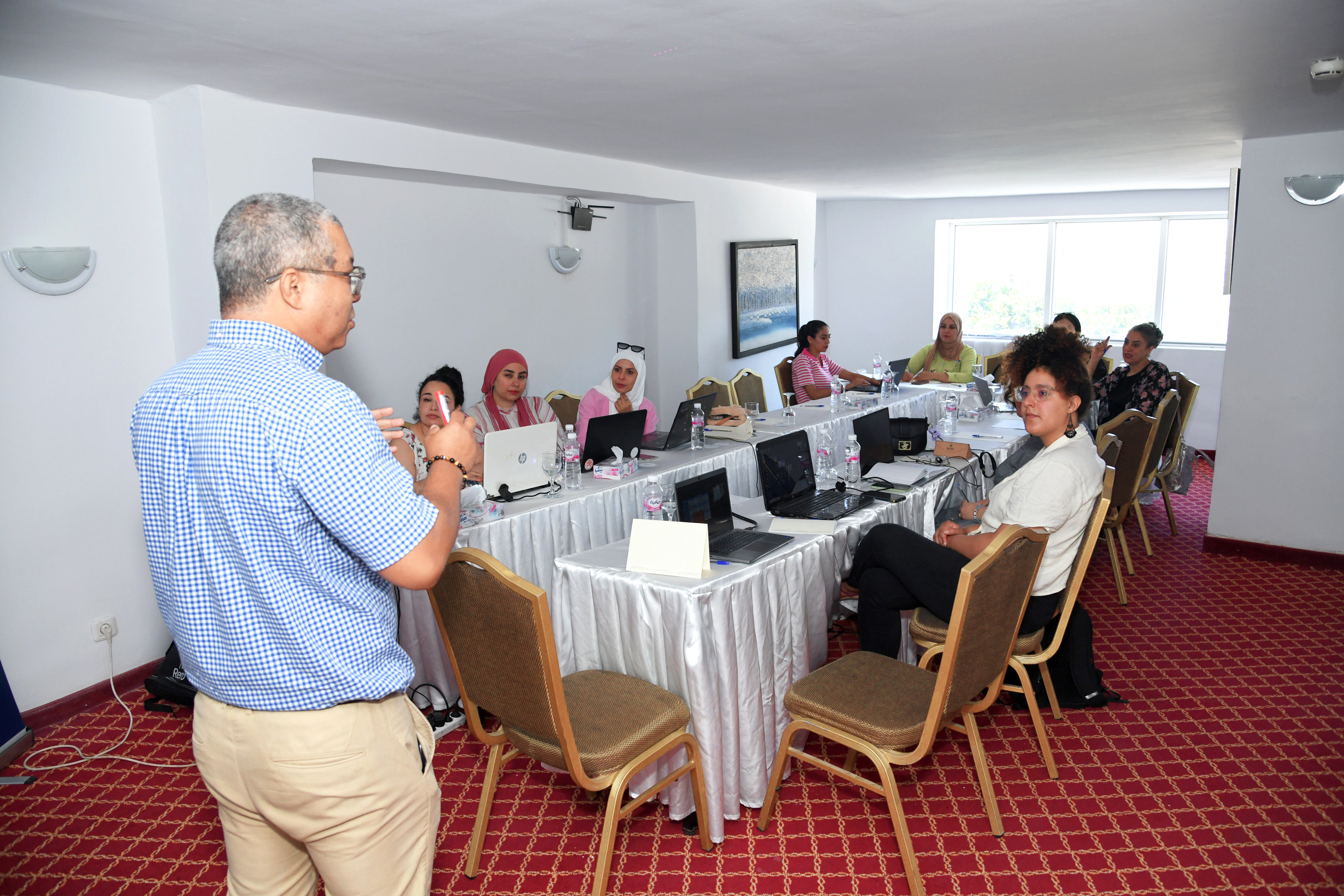
From July 17 to 20, 2025, the city of Tunis became a space for critical reflection and collective learning at the intersection of gender and climate policy. In a collaborative effort between the FNF Tunis and the Women First Association, a four-day training program brought together a diverse group of young professionals and activists to tackle one of the most pressing challenges of our time: how to integrate gender justice into climate adaptation strategies.
Climate change is not gender-neutral. Around the world, women particularly those in rural, marginalized, or low-income communities bear the brunt of its impacts. Yet, too often, they remain excluded from the decision-making processes that shape climate policy. This training aimed to change that narrative by equipping participants with the tools and knowledge to craft gender-responsive policy papers that address climate issues through an inclusive and intersectional lens.
The participants engaged in rich and nuanced discussions, exploring themes that are both urgent and frequently overlooked in mainstream climate discourse. They examined how gender-sensitive frameworks could strengthen climate cooperation between Tunisia and the European Union, especially in the context of adaptation and energy transition. The issue of land rights a key factor in rural women’s food security and autonomy was analyzed in depth, highlighting how legal and social barriers continue to limit women’s access to and control over land, especially in the face of environmental stress.
Participants also delved into emerging topics, such as feminist approaches to green hydrogen and sustainable technologies, arguing for innovation models that prioritize equity and participation. Equally important were discussions on the mental and reproductive health implications of climate stress, particularly for women living in areas prone to droughts, extreme heat, and displacement.
Another critical theme addressed was climate-induced migration, particularly from the Global South to the Northern shores of the Mediterranean. Participants reflected on how migration shaped by environmental degradation is rarely gender-neutral, and how women's experiences in this context are often shaped by vulnerability, resilience, and lack of access to protection mechanisms. In the energy sector, the potential of solar energy as a mutually beneficial path for Tunisia and the EU was explored, especially when developed with attention to local women's needs and leadership opportunities.
The group also reflected on Tunisia’s post-revolution landscape, questioning how women’s hard-earned rights can be protected and expanded in the country’s transition to a green economy. Can the shift to sustainable development be used as a lever for greater gender equity? Can new economic models challenge existing structural inequalities?
By the end of the program, participants emerged with a deeper understanding of the interconnectedness of gender and climate justice. They also began the groundwork for producing concrete policy recommendations that reflect this complexity. Their work serves as a powerful reminder that climate policy will never be truly just or effective without the full inclusion of women’s voices, experiences, and leadership.
This training was not just about knowledge sharing it was a step forward in building a new generation of gender-aware climate advocates, ready to shape more inclusive and resilient futures for their communities and beyond.