Shaping Africa’s Startup Future
Djerba Slush’D 2025: Africa Uncharted A Springboard for Innovation, Inclusion, and Investment

Djerba Slush’D 2025: Africa Uncharted
A Springboard for Innovation, Inclusion, and Investment
From June 19 to 21, the island of Djerba became a dynamic hub for Africa’s growing entrepreneurial ecosystem. Under the theme Africa Uncharted: Tunisia, a Hub for Global Investment, Djerba Slush’D 2025 brought together startups, investors, thought leaders, and ecosystem builders for three days of conversations, collaboration, and visionary thinking. The Friedrich Naumann Foundation (FNF) partnered with Westerwelle Startup Haus Tunisia plus several other partners to support this ambitious gathering, contributing through both high-level discussions and thought-provoking workshops.

Opening Doors: Innovation Meets Global Strategy
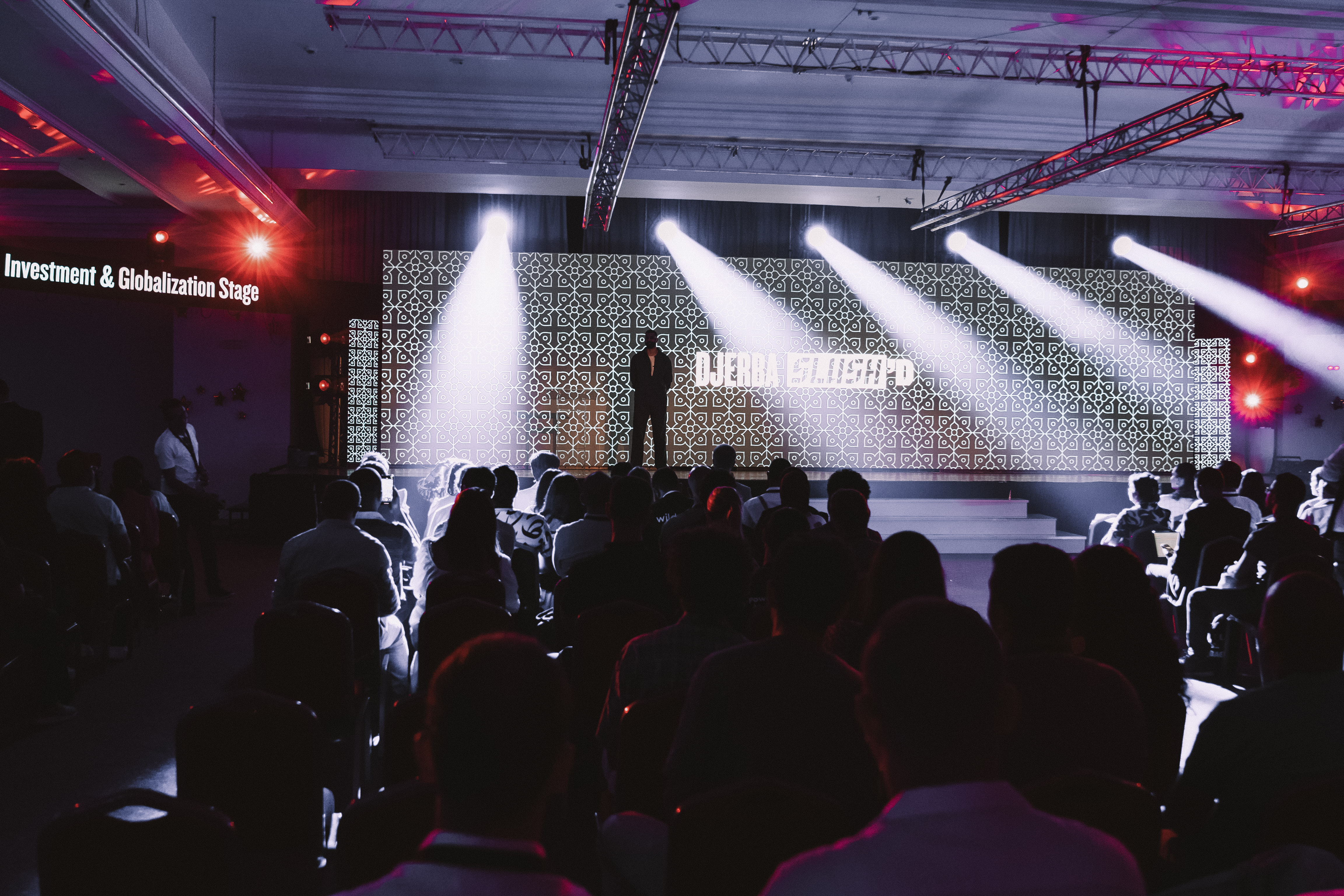
The event kicked off with VIP access and a networking cocktail, paving the way for deeper dives into investment and globalization. On the main stage, a powerful set of panels and keynotes explored startup fundraising, impact investing, and the future of funding in Africa. Amid this rich program, FNF's presence was felt through two impactful contributions: a workshop on Diversity & Inclusion in Business and a panel on Globalization & Investment.

Globalization & Investment: Perspectives from Tunisia, Africa, and Beyond
With the contribution of Ms. Birgit Lamm , Head of FNF Tunisia and Libya, the panel titled Globalization & Investment created space for a rich dialogue on the current dynamics and obstacles facing entrepreneurs in emerging markets.
Panelists offered comparative insights from across Africa, with a strong spotlight on the investment climate in Tunisia, Tanzania and South Africa. The Tanzanian perspective highlighted active state involvement in attracting capital not only through private sector initiatives, but also via strong governmental efforts to build infrastructure for startups.
We emphasized that FNF’s work does not directly involve collaboration with the public sector in Tunisia but rather focuses on empowering entrepreneurs through incubation and acceleration programs in partnership with organizations such as Westerwelle Startup Haus and Tunisian Startups. This reflects FNF's liberal commitment to bottom-up development and market-driven solutions.
The panel also touched on practical questions: How are Tanzanian startups scaling beyond borders? Panelists noted that with a population of over 70 million, Tanzanian startups quickly realize the importance of regional and international expansion for sustainability. Entrepreneurs were encouraged to trust their business models, remain alert to evolving markets, and closely monitor competitors.
A key takeaway was the persistent challenge of administrative and legal barriers. Panelists suggested two paths forward: outsourcing legal and bureaucratic processes to local service providers or choosing expansion markets with more favorable conditions for growth. The discussion closed with a resounding message: innovation must be matched with knowledge of the playing field.

Diversity & Inclusion in Business: An Introspective and Empowering Workshop
On the other hand, the Women in Entrepreneurship stage hosted FNF’s workshop Diversity & Inclusion in Business, which turned out to be one of the most interactive and emotionally resonant sessions of the event.
Facilitators opened the workshop by distinguishing between key concepts such as equality and equity in entrepreneurship, particularly with regard to women. Participants then formed a circle and shared deeply personal experiences of being treated differently due to their gender, ethnicity, religion, or migratory background.
Stories ranged from Afro-descendant women being judged by appearance or clothing to men expressing feelings of marginalization in female-dominated sectors. These moments underscored the diversity of discrimination and the need for intersectional approaches to entrepreneurship.
The group also addressed broader themes, such as the lingering imposter syndrome among female entrepreneurs and the urgency for unity across the African continent to foster inclusive business ecosystems. The session concluded with a collective reflection on gendered stereotypes in fields such as the arts, dance, and secretarial work, and how entrepreneurs can challenge these norms in both subtle and outspoken ways.

A Pan-African Outlook with Local Roots
Beyond these flagship sessions, Djerba Slush’D offered dozens of panels and workshops from investment readiness and cross-border expansion to impact funding and gender lens investment. The event fostered dialogue across linguistic, national, and sectoral borders, affirming Tunisia's emerging role as a strategic bridge between African markets and global opportunities.
FNF’s involvement in Djerba Slush’D 2025 highlighted its ongoing commitment to empowering inclusive entrepreneurship, advancing liberal economic models, and supporting democratic values through economic freedom. The workshops and panel it supported weren’t just presentations they were platforms of exchange, empathy, and forward-looking strategy.
As the curtains fell on Djerba Slush’D, the message was clear: the future of African entrepreneurship is diverse, bold, and connected and it starts with spaces like this one.