DRC
Hope and challenges for Eastern Congo

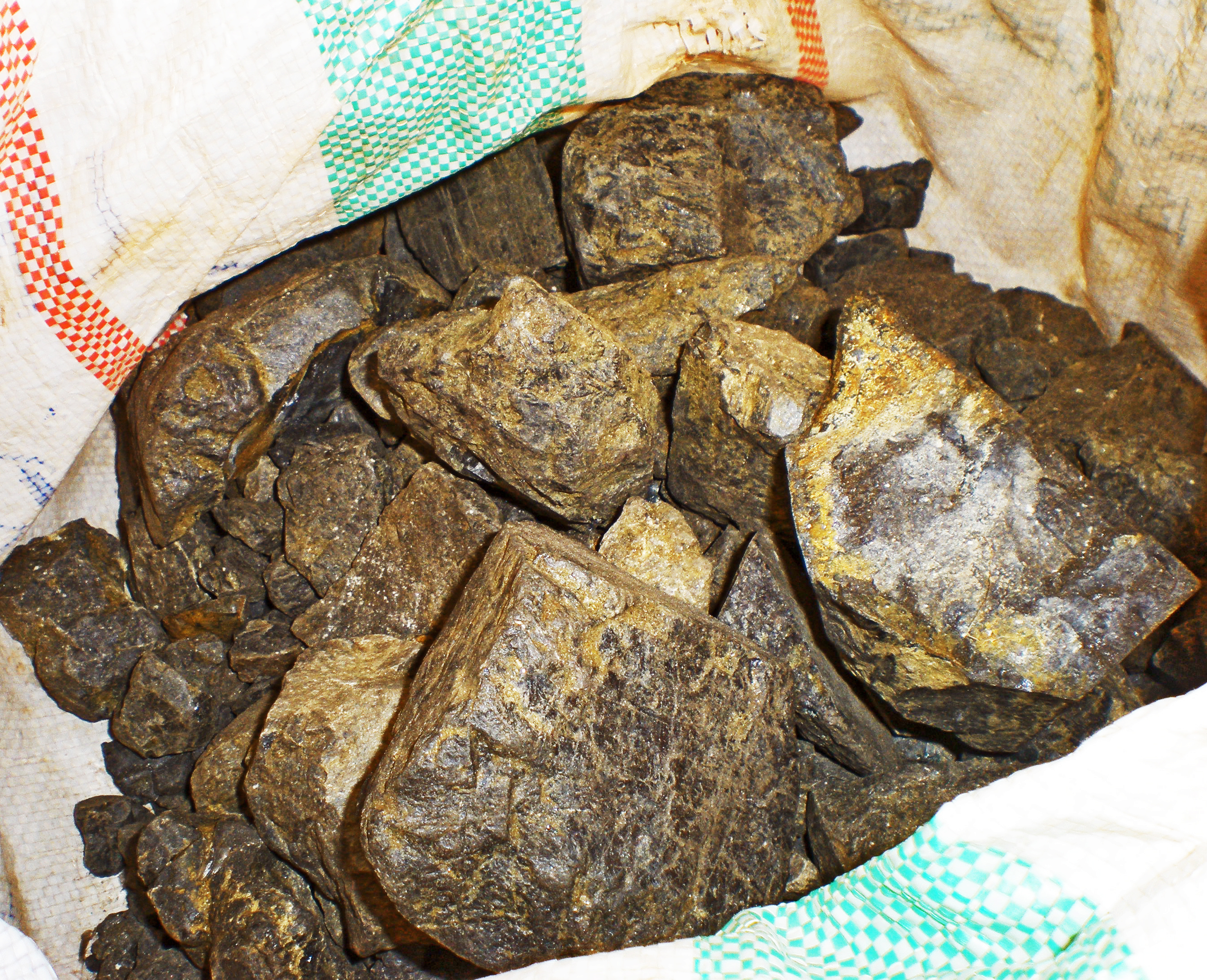
A close up of pieces of Coltan ore in a bag. Deep in Congo's earth lies this mineral the world craves for its phones and laptops. For locals, it doesn't power devices; it powers conflict, fueling decades of bloodshed.
© ShutterstockOn May 7, more than 50 people gathered at Berlin Global Village to speak and discuss together about the conflict in eastern Congo. The project was organised within the Studierendenforum im Tönissteiner Kreis e.V. and aimed to bring attention back to one of the gravest humanitarian crises of our time.
The conflict in the eastern Democratic Republic of the Congo has deep historical roots and is closely connected to colonialism, violence, and global exploitation. For decades, the region was brutally exploited, while colonial rule politicised ethnic differences and intensified social tensions. After independence in 1960, the hopes for democratic and equitable development were quickly dashed. A defining moment was the assassination of Patrice Lumumba, the country's first democratically elected prime minister, in January 1961, less than a year after independence. His removal marked the beginning of decades of authoritarian rule under the kleptocratic dictatorship of Mobutu Sese Seko, which lasted until 1997.
In the early 1990s, tensions escalated dramatically in Rwanda and the wider Great Lakes region. The genocide against the Tutsi in Rwanda in 1994, in which more than 800,000 people were killed within approximately 100 days, triggered massive refugee movements. More than two million people, predominantly Hutu but also Tutsi, fled into neighbouring states, with most crossing into eastern Congo (then Zaire). Among the refugees were also perpetrators of the genocide who began organising armed militias there, fuelling a cycle of violence whose consequences persist to this day. These developments directly triggered the two Congo Wars: the First (1996–1997) and the Second (1998–2003), the latter involving numerous African states and therefore also referred to as the 'First African World War.' Today, the conflict is considered one of the deadliest since the Second World War, with millions of people killed or displaced.
However, the conflict is far more complex than ethnic tensions alone. According to the Global Centre for the Responsibility to Protect, over 120 militias and armed groups operate in the provinces of Ituri, North Kivu, South Kivu and Tanganyika, including M23, the Allied Democratic Forces (ADF) and the CODECO militia. Many finance themselves through the illegal extraction of resources such as cobalt, gold and coltan, so called conflict minerals that are central to the global economy. These resources are deeply intertwined with local power structures and international supply chains, making them a central driver of the conflict. Therefore, the conflict is also connected to the global North. In a globalised world, economic interests and political responsibility are closely linked.


The event focused particularly on questions of hope and possible solutions. Several online sessions preceding the panel had already explored the history of the conflict, resource politics and current developments. A central theme was the importance of local engagement. Many speakers emphasised that sustainable peace is only possible if local communities themselves shape projects and take long-term responsibility for them.
Moderated by Julia Seibert from the Deutsche Gesellschaft für Internationale Zusammenarbeit (GIZ), the panel brought together Rachel Kamana, founder of the Pamoja na Watoto Foundation (PAWA); Kennedy Muhindo, journalist at Reporter ohne Grenzen (RSF); Ciarán Wrons-Passmann, Managing Director of the Ökumenisches Netz Zentralafrika (ÖNZ); Bernadette Kalz, Regional Adviser for Central Africa at the Federal Ministry for Economic Cooperation and Development (BMZ); and Baron Johann Swinnen, Honorary Ambassador and Author.
The discussion powerfully highlighted the role of local civil society, independent media, education and long-term communal structures. In Rachel Kamana's words: "After the conflict comes life." Peacebuilding must therefore always include a vision for the future.
The evening demonstrated how strong the interest of young people in global responsibility and international solidarity remains. At the same time, it became clear that hope persists despite violence and crisis. Every day, people continue to fight for community, dignity and a better future. The resilience of the Congolese people is both visible and deeply felt. This hope deserves active support from Europe.