Sustainability
Mombasa’s women find dignity in the circular economy

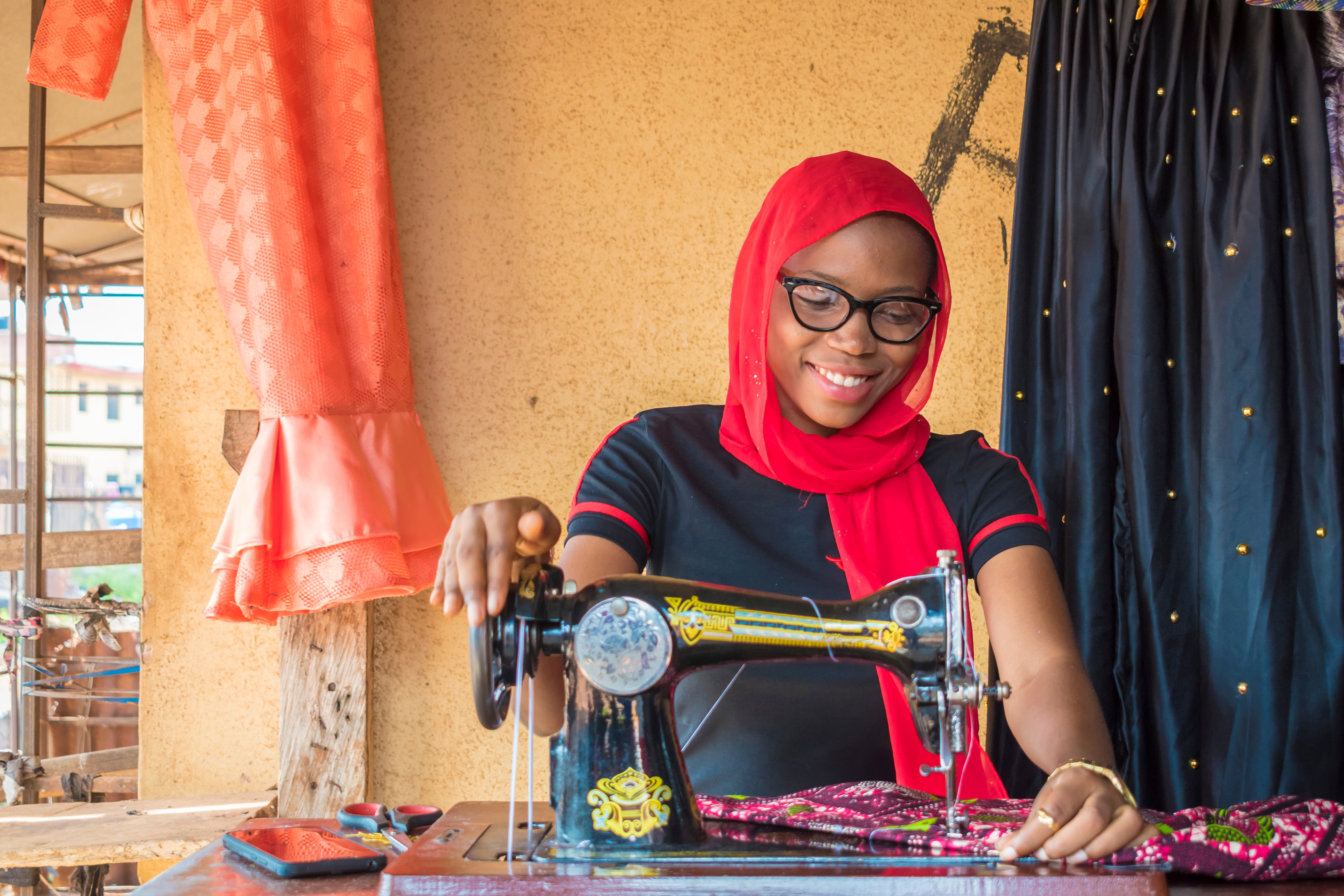
Young woman tailor smiling while working.
© ShutterstockEach morning, colourful stylish clothing is swept through tides as it finds its way to the Indian Ocean shores of Kenya. These are clothes that once graced fashion runways or high tea events, with some still bearing familiar European brand tags. When they go out of style, they are disposed of inappropriately and washed away thousands of miles from the boutique mannequins they once dressed.
Europe generates nearly 5.8 million tonnes of textile waste each year, and exports over 1.4 million tonnes to Africa and Asia. For every shipment that arrives at the port of Mombasa, there is both regret and reward. While some of this is churned back into the economy through resale as second hand clothes, about 30 tonnes never find a wearer. The remains, which could easily be a junkyard with 15 cars, end up in landfills and eventually the ocean. The pollution becomes an economic wound as it ruins the blue economy; coral reefs have less oxygen and light as textile clings to their surface, beaches become an eyesore for tourism and fish trade lessens.
‘What a waste!’, one may think. Yet, amid the despair, the green economy is quietly responding. Green Stitch Africa, a social enterprise, is building the economy by making one man’s trash another’s treasure. For the past year, the team has been collecting over 800kgs of textile which is almost the size of a small car, cleaning and repurposing them into tailored bags. The goal of the founder was initially to eke a living using available resources. However, once the waste collection began, she realised that they were solving a problem bigger than themselves, “Textile waste is a resource we are sitting on.” says Immaculate Maliachi, the founder.

Immaculate Maliachi, founder of Green Stitch Africa speaking during ENEA demo day in Mombasa
© WSH / FNF
Participants at ENEA demo day in Mombasa commemorate the occassion.
© WSH / FNFHaving faced formal employment challenges, Immaculate took up the opportunity to use her tailoring skills and hire local tailors. With a keen eye for unique fashion items, they cut different sizes of fabric from the cleaned collected waste and patch up the pieces skilfully into fashionable bags. Some of the products they make include travel bags, pouches, handbags and laptop sleeves to mention but a few.
Her belief in protecting the environment pushes her to learn ways of increasingly stitching the environment one stitch at a time, as is their tagline. In just under a year of operating, the organisation won the Afro Green Climate Entrepreneurship Bootcamp Award by Climate KIC. This further propelled the need to scale operations and understand how to trade her products beyond Mombasa. In July 2025, Immaculate enrolled for the ENEA program run by Westerwelle Startup Haus Mombasa in partnership with Friedrich Naumann Foundation.
The program aimed to tackle one of the key hurdles of entrepreneurship: access to markets. By focusing on intra Africa regional trade for a start, she was among other participants trained on market intelligence, use of e-commerce platforms and financial management. Using a practical approach, businesses that were ready to scale had a market immersion in the neighbouring country, Tanzania. These market linkages improved customer acquisition, revenue and understanding of the business landscape first-hand.
Textile waste is a resource we are sitting on.

During the seven-month ENEA program, Green Stitch Africa managed to double the number of employees and triple the amount of repurposed waste. Sharing her story during the demo day in October, Immaculate was insistent on impact, “Beyond revenue, my compassion and desire to restore dignity to women and the environment is what drives me.” The future looks bright for Green Stitch as they intend to scale up to repurpose five tonnes by the end of next year.
With every new fashion item lies the burden of disposing. The concept of a circular economy is gaining momentum as both Kenya and Europe grapple with the mounting consequences of textile waste. The textile lifecycle is reimagined from fast fashion, to lasting fashion by ensuring that waste is not the last use of the garments. This way, innovation is propelled, sustainable jobs created and pollution reduced as the lifeline is lengthened.
While the main goal should be to look into the production, consumption and discard of clothes, we cannot overlook the power of small, circular solutions already taking root. The eco-friendly repurposing of textile waste within the Kenyan coast is a drop in the ocean for reducing landfills. However, this is a process that requires efforts of many; policymakers, consumers, and fashion houses across Europe and beyond must recognise their connection to this story. The way forward lies in shared responsibility: reducing fast fashion’s footprint, investing in circular design, and supporting local innovators who are bridging the gap from waste to worth.