Freedom under pressure
The Tragedy of Turkey

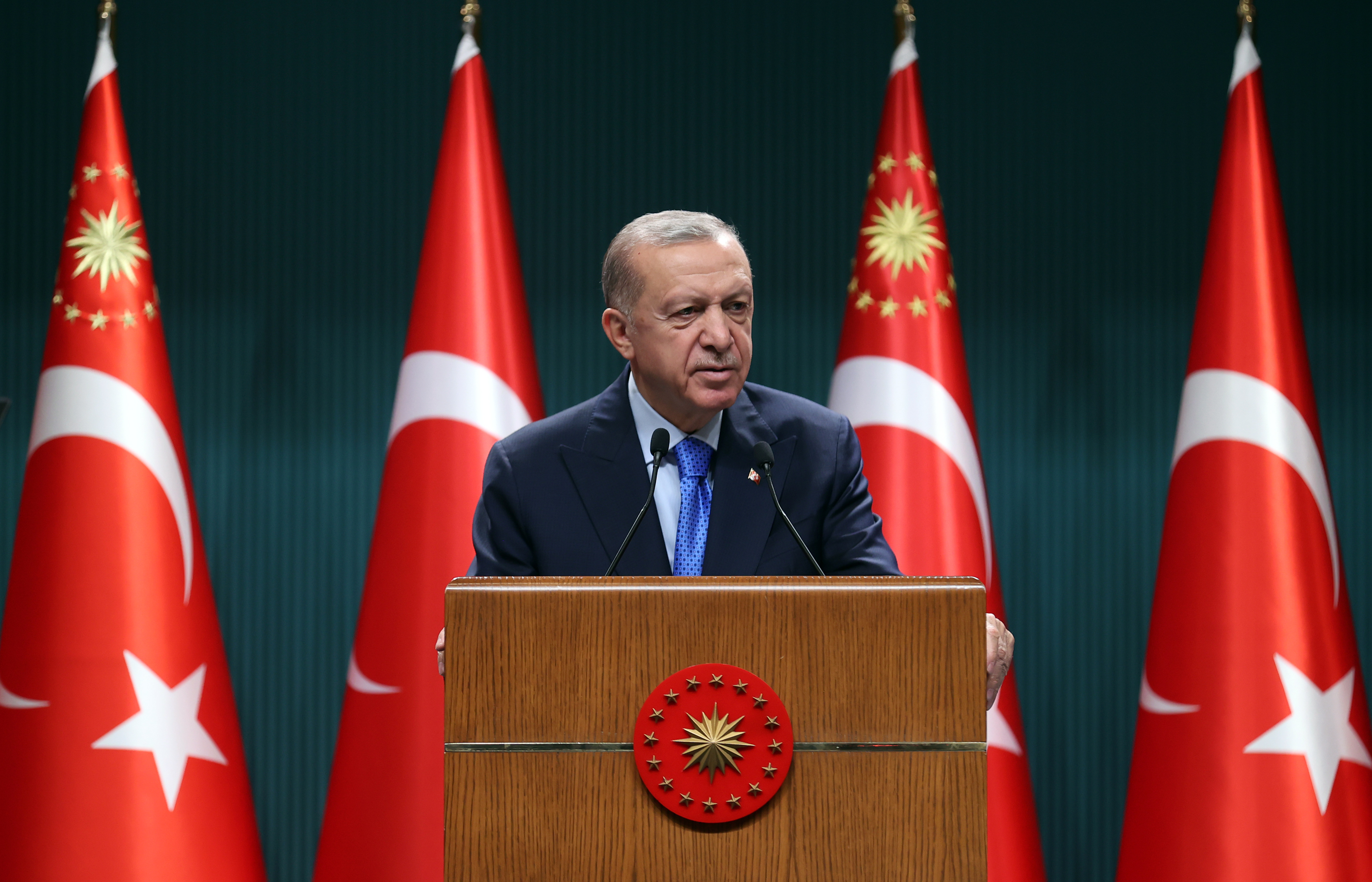
Der türkische Präsident Recep Tayyip Erdogan
© picture alliance / AA | Mustafa KamaciFreedom has been destroyed in Turkey - by Erdogan. People of the opposition are put into prison. This happened to Osman Kavala, successful entrepreneur and cultural patron. He is completely innocent. Liberal International awarded him the Prize for Freedom. His wife Ayşe Buğra recently received it for him in Berlin.
For more than two decades, Recep Tayyip Erdogan has dominated political life in Turkey - first as prime minister, then as president. An entire generation of young Turks has grown up knowing no other leader.
Turkey is no ordinary country. With over 80 million people and immense geopolitical importance, it serves as a bridge between Europe and the Middle East. Formally a member of NATO and part of the Western alliance, it is internally divided: home to a vibrant urban community of liberal intellectuals, yet also deeply rooted in conservative traditions across large parts of society.
Since the failed coup attempt in 2016, Erdogan has intensified his crackdown on political opponents - often without any credible evidence of wrongdoing. One of the most striking examples is the case of Osman Kavala. The cultural patron and founder of the “Anadolu Kültür” foundation, which promotes the diverse cultural heritage of Anatolia - including Armenian, Kurdish, and Yazidi contributions - has been imprisoned for more than eight and a half years without any substantiated legal basis.
The “Kavala case” represents a blatant violation of the rule of law. It is pure injustice - and far from an isolated incident. Now 68 years old, Kavala has received numerous international awards, including the Goethe Medal and, most recently, the Prize for Freedom from Liberal International. This award was accepted on his behalf in Berlin by his wife, Ayşe Buğra, in a deeply moving ceremony. The venue was filled and attended by many Turkish citizens committed to freedom and democratic values.
The event was not only a tribute to a courageous advocate of freedom. It was also a recognition of the resilience of a family enduring immense hardship. Ayşe Buğra, a distinguished professor of social sciences and public intellectual, spoke emotionally about what sustains her and her husband despite his imprisonment - limited to just two visits per month, sometimes separated by a glass partition. Above all, it is the books they read and discuss - often through detailed letters - that keep them connected. Without this intellectual exchange, she said, both he in prison and she in freedom might have lost hope long ago.
This experience carries a clear message for us: we must not abandon our Turkish friends. We must do everything we can to support their right to live in freedom - and we must remain engaged with their world and their fate. Hakan Altinay, a former political prisoner alongside Kavala and now director of the European School of Politics in Istanbul, has emphasized this point repeatedly: Europe must remain curious about Turkey, just as Goethe was two centuries ago. Only then is there hope that Turkey’s rich culture can one day fully flourish as a bridge between Europe and the Middle East - this time in freedom.
This is especially important today, as Turkey has drifted further away from Europe in recent years, and prospects of EU membership have all but disappeared. Precisely in such difficult times, sustained - and even renewed - engagement is essential.
Anyone who experiences the vitality of Turkey’s intellectual and cultural life cannot help but agree. Osman Kavala, Ayşe Buğra, and many others deserve nothing less.