Right-Wing Populism
What liberals should do to counter the rise of the radical right
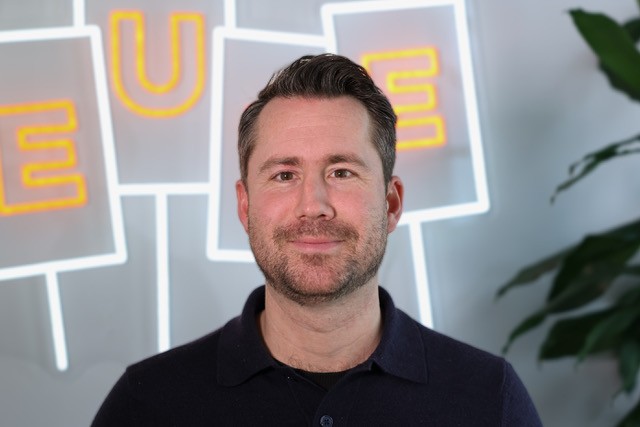
Portrait Mark Thiessen
© MeuteWe’ve seen a notable surge in right-wing populism across the globe in recent years. What’s driving its appeal, and why now?
It’s largely about mismatched expectations. We’ve been trying to interpret events by a set of assumptions that no longer apply. Old norms—political stability, faith in democratic institutions, and predictable economic growth—are being turned upside down. Right-wing populists have been quick to realize this. They understand that many people feel uncertain, even threatened, by rapid transformations in technology and society. Especially the combination of right wing populism with the ideological techno-libertarianism provides people with a forward looking new narrative. There is an energy in this narrative that cannot be found elsewhere at the moment.
Traditional ideologies, notably liberalism, often seem stuck in the past. How has liberalism reacted to these shifting political dynamics?
Until recently, liberal democracies felt like the natural endpoint of history—an idea popularized by thinkers who argued that liberalism had essentially “won.” That sense of triumph made many liberals complacent. As we see new actors—be they political strongmen or influential tech entrepreneurs—reshaping public discourse, traditional liberal parties and thinkers often come across as out of touch. Rather than offering innovative visions, they defend institutions that feel stale or unresponsive to people’s current anxieties. There’s a perception that liberalism is all about clinging to an old world order, instead of forging a path forward. This has pushed liberals into a reactive stance, paradoxically making them appear like yesterday’s revolutionaries.
You’ve described liberals as “reactionaries.” Could you elaborate on that and why it’s a problem?
Historically, liberals were at the forefront of transformative change—imagine the revolutions of the 19th century that championed individual rights, constitutional governments, and broader civic freedoms. They overthrew monarchies and authoritarian regimes, standing on barricades for liberty. Now, however, many liberals find themselves pleading for a return to a status quo that no longer resonates. When you’re constantly defending what used to be, rather than envisioning what could be, you become reactionary by default. This matters because it concedes the revolutionary momentum to those who are intent on dismantling democratic norms. If liberals settle for just protesting from the sidelines, they lose the capacity to shape the future.
What does a change in perspective look like for liberals in these “revolutionary times”?
It begins by recognizing that trying to revive the past is futile. The world has moved on. Technological advances, from social media to AI, have rewired how we interact, work, and even govern. Right-wing populists, in particular, are adept at exploiting these platforms to mobilise support. Liberals need to do more than simply object to populist rhetoric; they must harness the same energies for constructive ends. As Klaas Dijkhoff (former leader of the VVD parliamentary group) said, liberals should articulate what a freer, fairer future might look like if we actively want to direct the currents of change. This means imagining how policies—on technology regulation, social safety nets, or environmental stewardship—can be grounded in core liberal values while still addressing people’s immediate fears and the completely changed environment. Merely pointing to the successes of the past century won’t cut it. We need a roadmap for the decades ahead.
Figures like Donald Trump and Elon Musk come up often in these discussions. How do their approaches shape the political landscape for liberalism?
They’re emblematic of how rapidly changing technology can be used—sometimes recklessly—to disrupt established norms. Trump leverages social media outrage to rally support, bypassing traditional gatekeepers. Musk uses his massive online following to stir debates on everything from free speech to space travel. They understand that innovation and controversy can captivate the public, and they act swiftly, often leaving policy debates in the dust. Meanwhile, many liberals are still stuck trying to protect institutions without updating them for the 21st century. The takeaway is that disruption is now a political tool, and if liberals don’t learn to use it for positive change, others will use it for more self-serving or illiberal ends.
So, how can liberals regain a sense of purpose and lead rather than lag behind these upheavals?
We have to remember that liberal ideals—freedom, equality, respect for human dignity—were once the revolutionary force that expanded the horizons of what was politically possible. The first step is to accept that the playing field has shifted. Instead of just defending “how things used to be,” liberals must do what they historically did best: create bold proposals for a changing world. Consider how we might shape emerging technologies to serve the common good, or how to promote entrepreneurship while safeguarding social welfare. We need a vibrant vision that draws people in by showing them a future where personal liberty and collective progress aren’t at odds. That means acknowledging current frustrations—geopolitical dangers, cultural shifts, technological change—and answering them with concrete, forward-looking policies.
This is also a call for a new generation of liberals to embrace the “underground rebellion” mindset. If populists and tech moguls are building new barricades—real or metaphorical—liberals need to climb up and reclaim those spaces. The message should be: “Yes, the world is changing dramatically, and here’s how we can make that change liberating for everyone.” Once we stop reacting and start setting the agenda again, liberalism can reclaim its rightful place as a beacon of progress. By updating our narrative and daring to challenge illiberal forces head-on, we can show that the story of freedom is far from over—indeed, it may just be entering its most critical chapter.
Mark Thiessen is a historian, political columnist, former VVD campaign strategist and owner of campaign agency Meute (Amsterdam and Brussels).