Kuala Lumpur
The Friedrich Naumann Foundation for Freedom (FNF) promotes democracy, human rights, economic freedom, and curbing climate change. In Asia, we have offices in Bangkok, Jakarta, Manila, New Delhi, Seoul, and Taipei. We also work in Malaysia. In Malaysia we work with 8 local partners. Should you have questions or suggestions about our work, please contact us. You can also meet our team here.
News
-
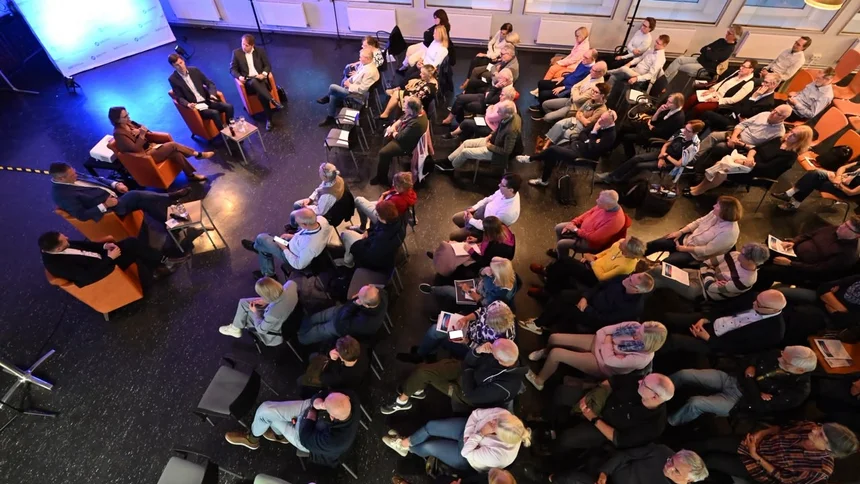
How autocracies attack democracy—and what can we do about it
Can autocracies out-communicate democracies? A new study from Malaysia shows how Russia and China are shaping public opinion through state media, influencer networks, and disinformation. What can Germany and Europe do about it?
-
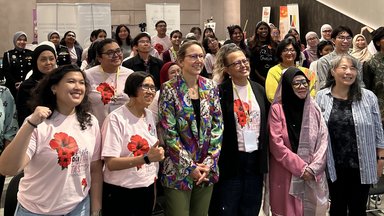
Pesta PUAN-tastic: Women, Art and Activism Reimagine Merdeka
Pesta PUAN-tastic in Kuala Lumpur brought women’s voices, art and activism together to explore Merdeka, freedom, equality, dignity and justice.
-
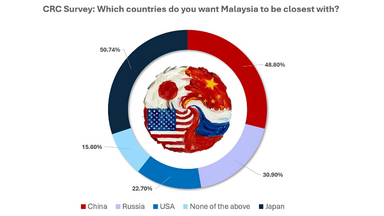
China’s and Russia’s Overseas Campaigns
The apparent success of authoritarian regimes fuels doubts about democracy. Two studies conducted in democratic Malaysia show how China’s and Russia’s propaganda works.
-
Europe & Malaysia: Staving Off the Foreign Narrative Threat
Two new surveys reveal how Beijing and Moscow are shaping Malaysian public narratives and opinion — and what Europe can do about it.
-
Study on Perceptions of Geopolitics and Regional Issues
A nationwide study examining how Malaysians perceive China, Russia, democracy, and the shifting global order.
-
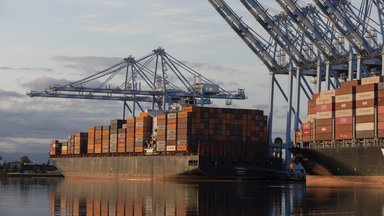
Flowing through the Strait of Malacca: Smooth Sailing or Rough Seas for Germany?
A narrow strait near the equator, carrying 24 percent of global maritime trade: the Strait of Malacca may seem distant, but for Germany this chokepoint represents an underestimated risk.
-
Democratic Resilience in the Age of AI
How to shape a resilient democracy in the age of AI? Political and institutional reforms, technological adaptation and regional cooperation, argues the Council of Asian Liberals and Democrats (CALD).