Sahel
EU/Sahel: a derailed locomotive?

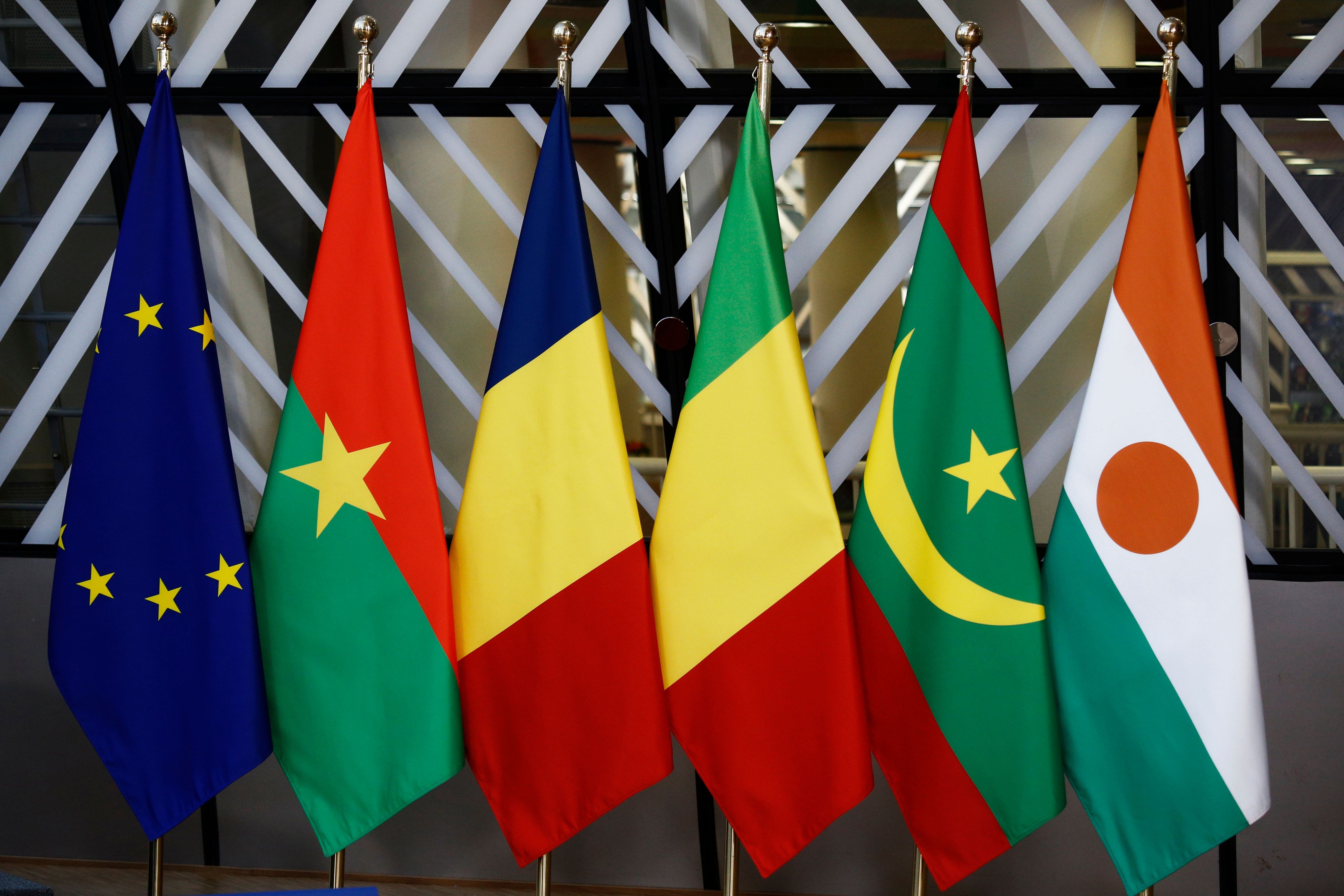
Bruxelles, Belgique. 14 mai 2019. Vue intérieure du Conseil de l'UE lors de la réunion des ministres des Affaires étrangères et de la Défense de l'UE et du G5 Sahel à Bruxelles, en Belgique
© shutterstockThe Sahel region, and particularly the member states of the Alliance of Sahel States (AES), remains gripped by persistent instability. Human rights violations, the erosion of democratic institutions and political pluralism, the loss of territorial control, hunger, and forced population displacement continue to fuel chaos, threatening the stability of neighboring countries as well as Europe.
Last week, Burkina Faso severed diplomatic relations with France. Mali remains under constant threat as Tuareg separatists (FLA) and Islamist militants (JNIM) continue to coordinate attacks against the Malian army and its allies from the Russian Africa Corps.
Governments, think tanks, and civil society organizations—including the German political foundations—have repeatedly warned of the risks and consequences emanating from this region, which recorded the highest number of terrorism-related fatalities worldwide last year, according to the Global Terrorism Index (GTI).
Regarding the situation in the Sahel, Europe resembles "a train whose locomotive has derailed, leaving the carriages to drift apart." During a Liberal Talk organized by the Friedrich Naumann Foundation in Dakar, Dr. Bakary Samb, Director of the Timbuktu Institute, issues a clear warning: the Sahel concerns us all!
Using Mali as an example, Samb argues that terrorist attacks, religious extremism and population displacement are spreading like wildfire. Allowing religious terrorist groups and foreign mercenaries to fill the vacuum left after the withdrawal of MINUSMA and other western troops only fuels the expansion of violent Islamist extremism, undermines democratic and liberal values, and drives significant migration flows toward coastal African countries as well as Europe.
Addressing these challenges requires the European Union and the countries of the Sahel to develop shared strategies based on mutually beneficial and respectful interdependence. This includes strengthening governance, supporting resilient institutions, and genuinely engaging with civil society actors.
Avis d'Experts avec Bakary Sambe
© FNF Western Africa