Cabriolet Film Festival
Dreaming Beyond Crisis

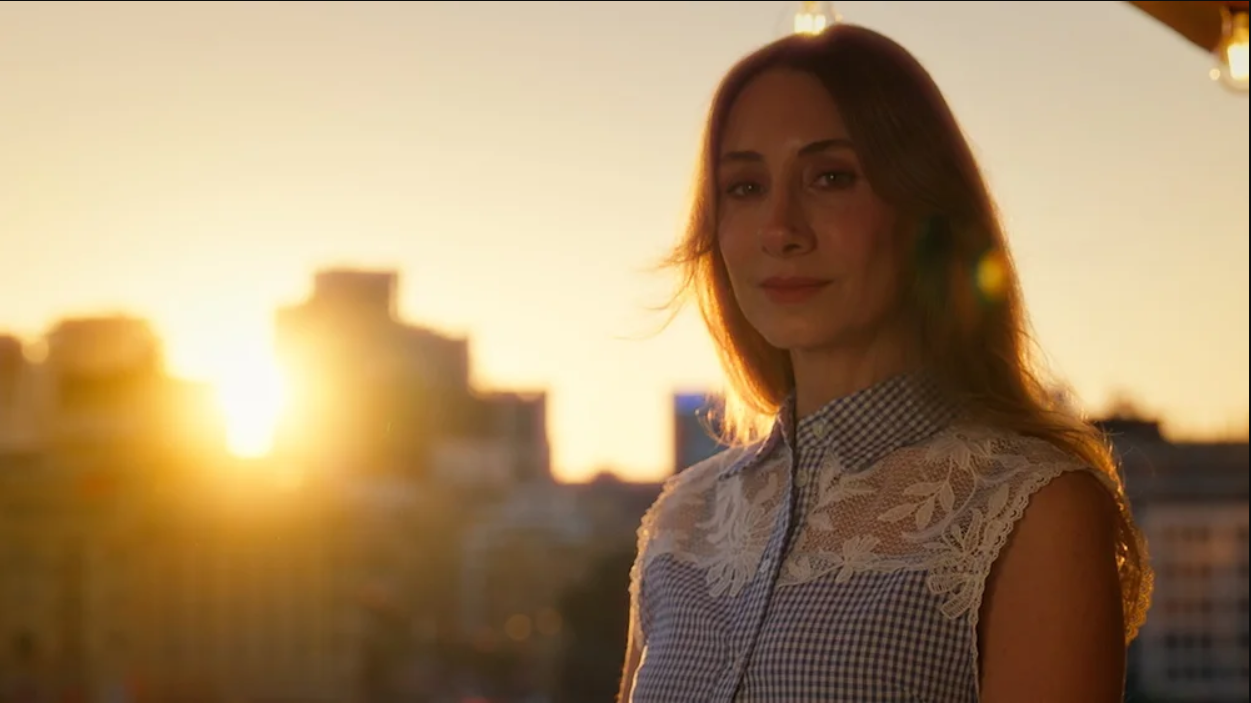
Diamand Bou Abboud.
credit: Cabriolet Film Festival
From June 5 to 7, 2026, Lebanon's streets, public squares, and historic landmarks were transformed into open-air cinemas as the Cabriolet Film Festival returned for its 18th edition under the theme "DREAMS." Organized by Laboratoire d'Art and supported by the Friedrich Naumann Foundation for Freedom (FNF), the festival once again demonstrated the power of culture, creativity, and free expression in bringing communities together.
Founded in 2009 by Ibrahim Samaha, Cabriolet remains Lebanon's first independent, non-competitive short film festival. For nearly two decades, it has offered free access to high-quality local and international cinema in public spaces, making culture accessible to audiences far beyond traditional cultural institutions.
Dreaming as an Act of Resilience
This year's theme carried particular significance. Marking its symbolic transition into adulthood, the festival invited filmmakers and audiences alike to reflect on identity, curiosity, hope, and the future. In a country facing ongoing economic, social, and political challenges, the concept of dreaming became a powerful statement of resilience and determination.
Through a carefully curated selection of short films from Lebanon and around the world, the festival explored how individuals and communities continue to imagine alternatives, challenge limitations, and create new possibilities even during times of uncertainty.
Bringing Cinema to Communities Across Lebanon
While the iconic Saint Nicolas Stairs in Beirut's Gemmayzeh district remained the festival's central gathering point, the 2026 edition significantly expanded its national footprint. Simultaneous screenings took place across nine Lebanese cities and towns, including Beirut, Jounieh, Byblos, Saida, Zahlé, Ammatour, Dhour El Choueir, Douma, and Deir El Qamar.
This decentralized approach reflects Cabriolet's long-standing commitment to democratizing access to culture and fostering connections between diverse communities throughout the country.
Opening the Conversation: Can Artists Dream Beyond Crisis?
As part of its support for the festival, the Friedrich Naumann Foundation organized the opening discussion panel, "Can Artists Dream Beyond Crisis?", hosted at District 7 in Beirut.
The conversation brought together filmmakers, media professionals, and cultural practitioners to discuss the realities of artistic production amid conflict, economic instability, and social transformation. Participants reflected on the role of creative freedom, the importance of independent cultural spaces, and the challenges artists face in maintaining hope and innovation during difficult times.
The discussion highlighted a central conviction shared by both Cabriolet and FNF: that free societies depend on the ability of individuals to imagine, create, and express themselves without fear. In this sense, dreaming is not merely a personal aspiration but a civic act that contributes to social renewal and democratic resilience.

Supporting Creative Exchange and Cultural Dialogue
Beyond film screenings, the festival offered a rich program of workshops, masterclasses, and discussions designed to encourage learning and exchange. Director Elie Fahed led a session exploring passion and identity through storytelling, while documentary filmmaker Dr. Marina Daou shared insights into documentary production in Byblos. Film critic Emile Chahine guided audiences through the history of Spanish cinema during a special event in Jounieh.
The festival also strengthened international cultural cooperation through partnerships with organizations including the European Union in Lebanon, the Italian Cultural Institute, and the Clermont-Ferrand International Short Film Festival.
Inspiring the Next Generation
The second edition of the Cabriolet Kids Film Festival further expanded the festival's impact. Designed for children aged four to fourteen, the program combined international short films with creative workshops, encouraging young audiences to engage critically and imaginatively with visual storytelling.
Hosted at the Sursock Museum in Beirut as well as cultural venues in Douma and Zahlé, the initiative reflected the festival's commitment to nurturing creativity and cultural participation from an early age.
As audiences gathered under the stars to watch stories from Lebanon and around the world, the message of this year's edition became clear: even in moments of crisis, the ability to dream remains one of society's most powerful resources for change.