Europe
The Europe Region (FNF Europe) of the Friedrich Naumann Foundation for Freedom is a pan-European region with offices in Belgrade, Brussels, Bucharest, Geneva, Istanbul, Kyiv, Prague, Sofia, Tbilisi, Vilnius, and Yerevan.
We connect experts, civil society actors, and decision-makers to foster open dialogue across Europe and develop liberal responses to key European challenges. Together with our partners, we create formats and campaigns on fundamental rights, the rule of law, geopolitics, and geoeconomics, while also coordinating EU co-funded projects in the areas of the single market, digitalisation, and innovation.
News
-
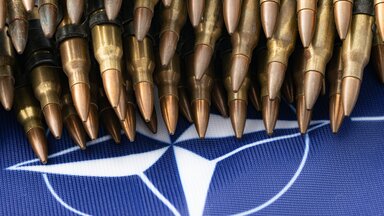
The Long Shadow of 9/11 for Europe’s Defence
Europe transformed its militaries for conflicts far from home. Twenty-five years after 9/11, the costs of that shift are still being felt.
-
A Saga of Fish, Europe and Power
Iceland narrowly rejected reopening EU talks. Behind the vote lies a deeper struggle over sovereignty, fishing interests and the limits of European integration.
-
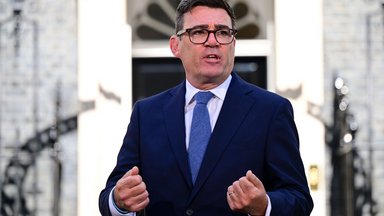
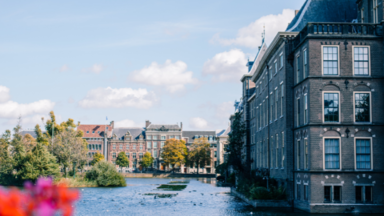
Britain's new government
Andy Burnham is Britain's new Prime Minister. What can liberals expect from his government on reform, Europe and the economy?
-
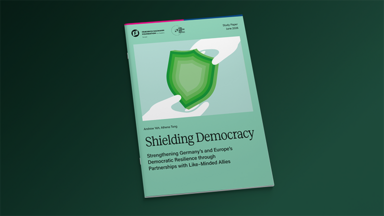
Shielding Democracy
As foreign information manipulation and interference (FIMI) increasingly threaten democratic societies, strengthening Germany’s and Europe’s resilience has become a strategic priority.
-
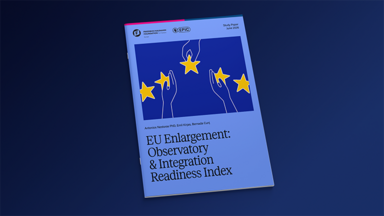
EU Enlargement: Observatory & Integration Readiness Index
As EU enlargement regains momentum, understanding how candidate countries are actually progressing has become more important than ever.
-
Apply Now: GenNow™ 2026 – The Enshittification of Democracy
What happens when politics becomes content and democracy competes with algorithms? Discover GenNow™ 2026, a political lab for Europe’s next generation of changemakers.
-
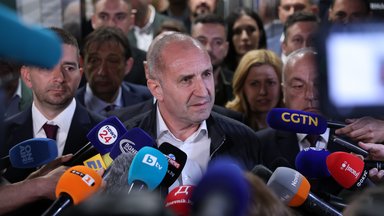
Bulgaria’s Election: Results Clear, Conclusions Pending
A decisive election result ends Bulgaria’s political stalemate of 8 elections in 5 years, but leaves open key questions on governance, reforms, and its role in Europe.


-
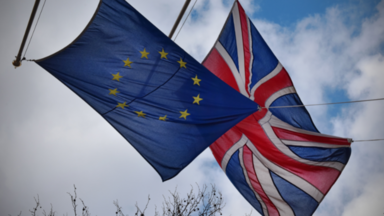
As crises mount, the new UK Prime Minister will need a positive Europe strategy
UK-EU cooperation has gone well in terms of sanctions, coordinated diplomacy and war crime investigations. But will this united front last? Or will the UK goal to differentiate itself after Brexit, and derive competitive advantage over neighbours, trump strategic cooperation?
-
Our Podcast on Migrant Entrepreneurs - "Migrentrepreneurs"
We are pleased to announce the release of the first episode of "Migrentreprenreurs" !
-
Women's Involvement in Dutch Politics: An Uphill Climb
Female representation in politics in the Netherlands is slowly improving. The results of the local elections in March 2022 show an increase of the number of women in local city councils from 31 to 36 percent. But when looking at executive positions, this figures suddenly drop.
-
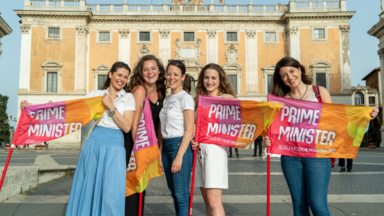
Empowerment Comes from Education: Tomorrow's Prime Minister
Prime Minister is a school of politics in Italy for young women aged between 14 and 18 years who want to undertake a training course in Politics – understood as the ability to interpret and guide society – and civic activation. Eva Vittoria Cammerino is one of the founders of Prime Minister and also Chief secretary of an MP and political activist. Here she describes the main activities of Prime Minister and why such an organization is important to exist in Italy.
-
Towards a European Public Sphere: Interview with Damian Boeselager
The European Parliament wants a single pan-European constituency and implement transnational election lists where political parties and coalitions of national political parties propose their candidates. Damian Boeselager, founder of the first pan-European party Volt, explains why we need such a reform.
-
Understanding the Barriers and Benefits to Female Representation in Politics
Across the EU, around 33% of members of national parliaments are female, which might not seem so bad, but considering that women make up 54,6% of the EU’s population, this goes to show that they are heavily underrepresented in the democratic processes.
-
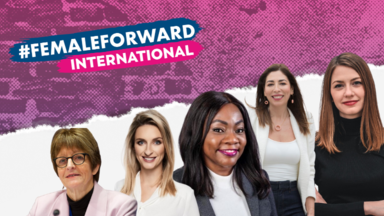
Launch: Female Forward International EU – Women in Politics
What better date than the #InternationalWomensDay to re-launch FNF's Female Forward International campaign in Europe? Join us, when we tell the stories of powerful women rising above the tide and classic hierarchies. Our first campaign focus will dive into the world of “women in politics”, highlighting strong and passionate women that have become involved politically and serve as role models for girls across the Member States.
-
Does Putin’s aggression help to (re-)unify a disintegrating European Union?
The Russian invasion reveals cracks in EU’s political unity as well as constitutional shortcomings, especially in the area of the Common Foreign and Security Policy (CFSP). In particular, the decision-making on sanctions against Russia showed once again that rapid, coordinated action by all Member States is difficult to achieve in the current CFSP-system.

Social Media
-
6
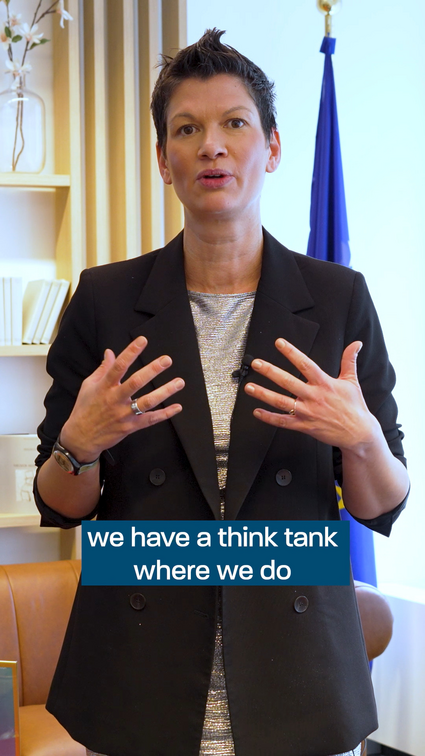
NB‼️ From 1 Feb, FNF Europe has restructured our social media presence 🛑 We will stop maintaining this current channel, now renamed fnfbrussels, while we keep it open. 🆕 You are cordially invited to follow our NEW channel of FNF Europe ➡️ @fnf.europe - the new bigger ONE European region after the merger of 2 regional offices. 🎥 Meet our Innovation Policy Lab Experts! 📊 Demography & Migration: Europe’s defining challenge Meet Helga Pattart-Drexler, Managing Director at NEOS Lab, she shares her views on how Europe can respond to ageing societies, labour shortages, and migration pressures with smart, humane, and future-proof policies. 🌟 Helga joined the European Liberal Forum – Friedrich Naumann Foundation for Freedom Innovation Policy Lab to explore how demographic shifts and migration trends will shape Europe’s next decade. 👀 Stay tuned for our upcoming publications! Co-financed by the European Parliament. #InnovationPolicyLab #Demography #MigrationPolicy #ELF #FriedrichNaumannFoundationForFreedom #FutureOfEurope #PolicyInnovation #Innovation
-
74
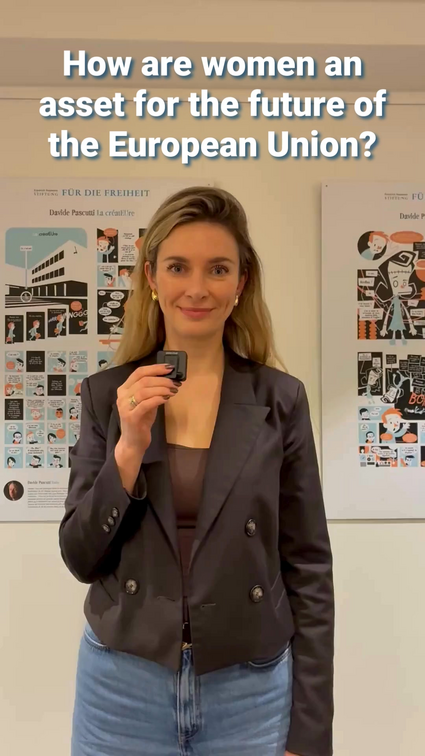
NB‼️ From 1 Feb, FNF Europe has restructured our social media presence 🛑 We will stop maintaining this current channel, now renamed fnfbrussels, while we keep it open. 🆕 You are cordially invited to follow our NEW channel of FNF Europe ➡️ FNF East and Southeast Europe (in process of being renamed now) - the new bigger ONE European region after the merger of 2 regional offices. ✨🇪🇺 “We cannot afford to waste women’s talent.” Joanna Burnos (LEADERIS) envisions a Europe where women’s leadership drives economic strength, security, and innovation — supported by real investment, mentoring, quotas, and community change. We rise when women rise. . #Europe2050 #VisionLab #WomenInLeadership #Equality #FNF
-
0
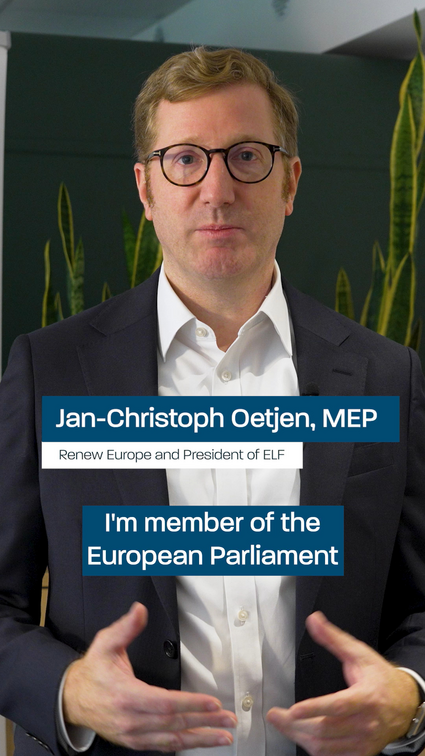
NB‼️ From 1 Feb, FNF Europe has restructured our social media presence 🛑 We will stop maintaining this current channel, now renamed FNF Brussels, while we keep it open. 🆕 You are cordially invited to follow our NEW channel of FNF Europe ➡️ FNF East and Southeast Europe *@fnf.esee (in process of renaming)- the new bigger ONE European region after the merger of 2 regional offices. 🎥 Meet our Innovation Policy Lab Experts! 📊 Demography & Migration: Europe’s defining challenge Meet Jan-Christoph Oetjen, MEP, Renew Europe and President of ELF, he shares his views on how Europe can respond to ageing societies, labour shortages, and migration pressures with smart, humane, and future-proof policies. 🌟 Jan-Christoph joined the European Liberal Forum – Friedrich Naumann Foundation for Freedom Innovation Policy Lab to explore how demographic shifts and migration trends will shape Europe’s next decade. 👀 Stay tuned for our upcoming publications! Co-financed by the European Parliament. . #InnovationPolicyLab #Demography #MigrationPolicy #ELF #FriedrichNaumannFoundationForFreedom #FutureOfEurope #PolicyInnovation #Innovation