LGE2026
Safety in Cape Town on the ballot

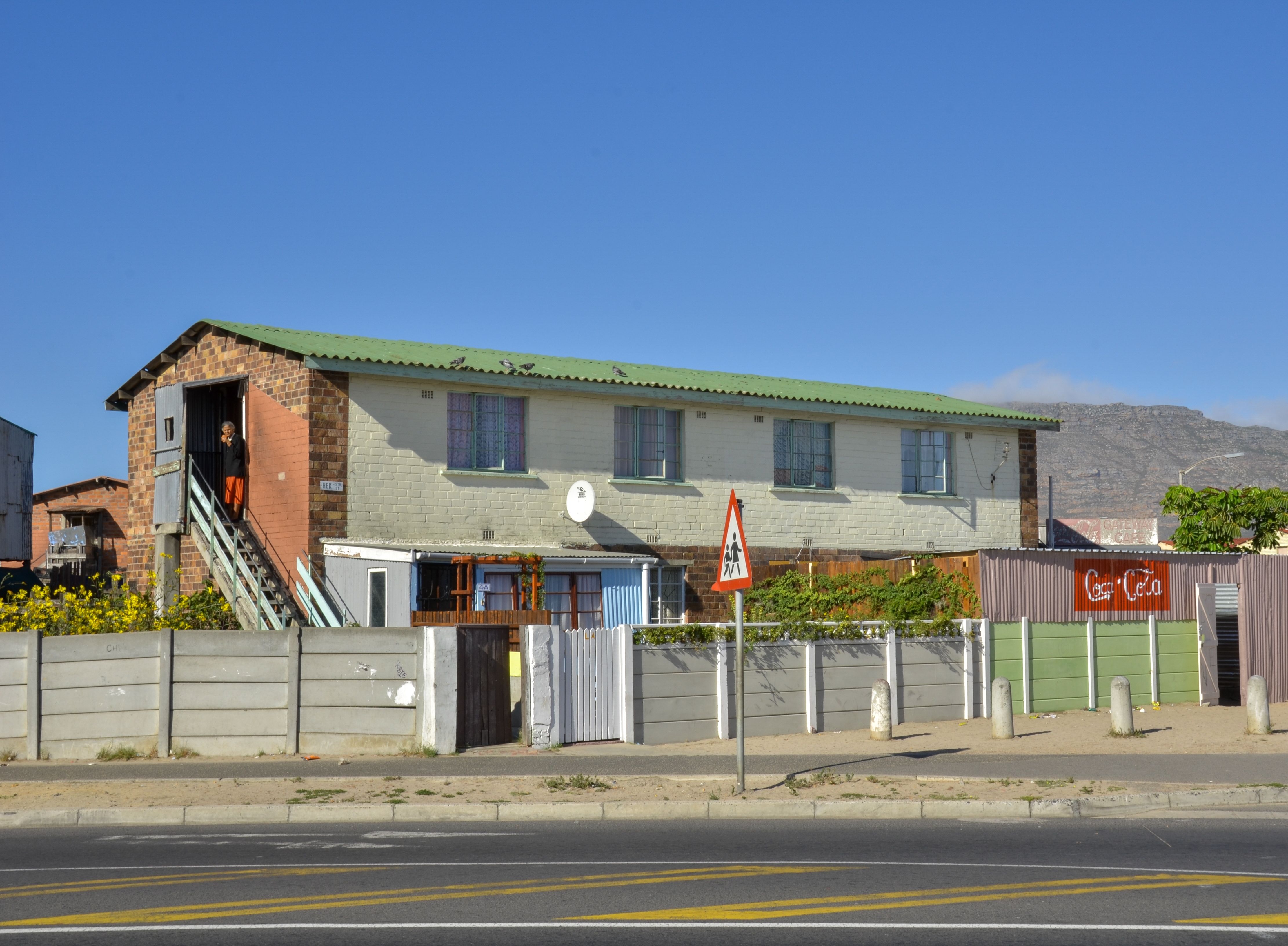
A apartment building on the Cape Flats.
© ShutterstockA recent mayoral debate hosted by Cape Flats Stories made one thing clear: safety and security will be among the defining issues of Cape Town’s upcoming local government elections. The presence of Ellen Pakkies, now standing as a mayoral candidate for the National Cape Coloured Congress (NCC), perhaps illustrates this better than anything else. Pakkies became widely known after killing her drug-addicted son, an act that drew attention to the devastating impact of drugs and crime on families and communities on the Cape Flats.
Safety, particularly on the Cape Flats, has been at the centre of political debate for years. Gangsterism has taken control of parts of communities, with children often caught in the crossfire and innocent people losing their lives. For residents living with this reality, safety is not simply an election slogan. It is a daily concern.
The Democratic Alliance (DA), which has governed Cape Town and the Western Cape for more than two decades, has argued for greater control over policing at a local level, including the devolution of policing powers. The party argues that greater local control would allow the city to respond more effectively to crime, particularly given the serious challenges facing the South African Police Service (SAPS).
Other political parties appear to agree that gangsterism has stripped many Cape Flats communities of the ability to live peaceful and normal lives. Almost every party campaigning in the city has placed a strong focus on fighting gangsterism. Parties such as the Pan Africanist Congress (PAC) have also argued for the devolution of policing powers as part of the response to crime. Others, such as the Patriotic Alliance (PA), argue that combating crime cannot be reduced to policing alone, but must also address the social inequalities that can lure young people into criminality.
These differences raise an important question: what actually makes a community safe?
While safety and security pose a real threat to the lives of people on the Cape Flats, and politicians promise to tackle the problem if elected, the reality of criminal syndicates and corruption remains. The current Madlanga Commission, which is investigating allegations of police corruption and criminality, has exposed just how deeply entrenched these problems can become.
For ordinary South Africans, this creates an uncomfortable question: can the police be trusted? And, perhaps more importantly, can whistleblowers trust the institutions that are supposed to protect them?
The danger is that institutions established to protect vulnerable communities can themselves become compromised by criminal networks. If police stations, police officials and other state institutions are vulnerable to corruption, simply promising more policing powers will not necessarily make communities safer.
The real question, then, is whether politicians can guarantee safety when allegations of links between political figures, police officials and criminal syndicates continue to undermine public trust. Can voters be expected to place their trust in institutions when senior officials responsible for policing can themselves become vulnerable to political influence?
But there is another important part of the safety debate: the community itself.
Many of the Cape Flats residents who attended the debate spoke about initiatives and projects they have established to improve the safety of women and children in their communities. Yet they also highlighted how these efforts are often not adequately supported by government, with funding frequently coming from NGOs and other organisations.
This raises a fundamental question for the politicians campaigning for the city: are they willing to collaborate with communities that are already working to make their neighbourhoods safer?
Government cannot solve the problem of gangsterism and crime alone. Nor can communities be expected to carry the burden without meaningful institutional support. A safer Cape Town will require cooperation between government, law enforcement and the communities they are meant to serve.
Safety may be on the ballot in Cape Town, but voters are being asked to consider more than which party promises the toughest response to crime. They are also being asked to consider which politicians can restore trust in the institutions responsible for keeping them safe — and whether those politicians are prepared to work alongside the communities already fighting to make Cape Town safer.