Freiheit+90
65 Years of Shared History: Remembering Migration, Rethinking Belonging

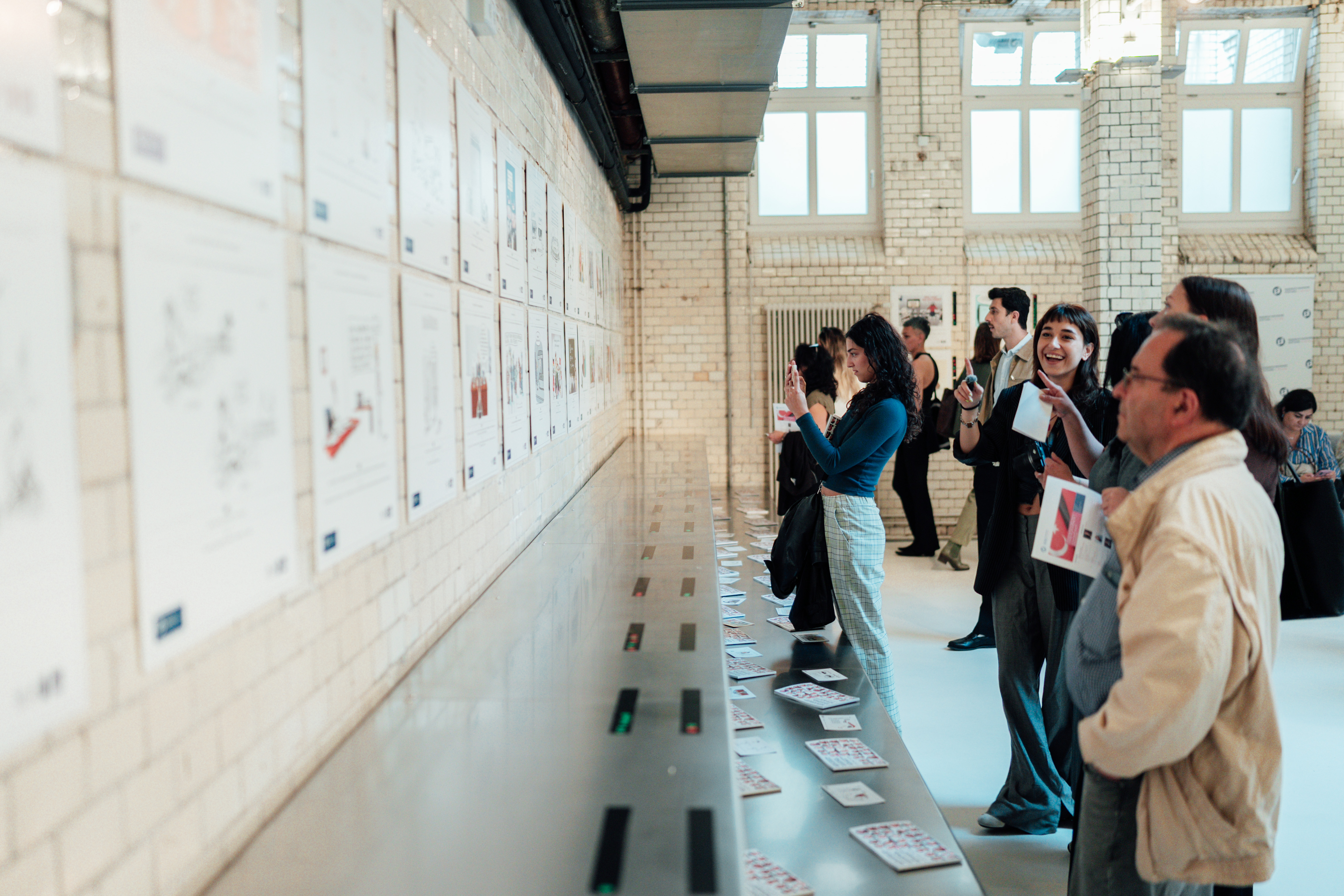
The 65th anniversary of the Türkiye-Germany Labour Recruitment Agreement was marked in Berlin with a cartoon exhibition, a documentary screening and a panel. Organised by the Friedrich Naumann Foundation, the event opened a space to reassess the history of migration from Türkiye to Germany through social perceptions, intergenerational experiences and equality of opportunity.
Signed on 30 October 1961 between Türkiye and the Federal Republic of Germany, the Labour Recruitment Agreement was initially intended to meet Germany's need for workers. But as people who had set out to work temporarily built permanent lives in Germany, the process left deep marks on the social and cultural relations between the two countries.
Held by the Friedrich Naumann Foundation on 1 October 2026 at CLINKER in Berlin, the event titled Wahrnehmungen. Begegnungen. Chancen. 65 Jahre gemeinsam (Perceptions. Encounters. Opportunities. 65 Years Together) approached this shared history from three perspectives. An interactive cartoon exhibition, a documentary produced for the 65th anniversary and a panel titled What We Built Together, What We Build Next brought the experiences of the past together with the social issues of today.

Grown Together - 65 Years of Germany-Türkiye
Perceptions: The Changing Visual Memory of Migration
The first part of the event featured an interactive cartoon exhibition prepared with contributions from migration researcher Prof. Dr. M. Murat Erdoğan and cartoonist Bernd Pohlenz. Through cartoons, illustrations and newspaper headlines, the exhibition examined how people who migrated from Türkiye to Germany were represented in society and how these representations changed over time.
The term Gastarbeiter (guest worker), which became widespread in the 1960s, defined migrants' social position largely through their economic role. As new generations grew up in Germany, however, this definition began to fall short of explaining a changing social reality.
Drawing on the critical power of humour, the exhibition invited visitors to rethink stereotypical perceptions of migrants and cultural representations. It thus offered a way of approaching the history of migration not only through the experiences of those who migrated, but also from the perspective of the society that received them.

Encounters: Migration and Belonging Across Generations
The second part of the event featured the screening of a documentary made especially for the 65th anniversary. Centred on the migration experiences of different generations, the documentary focused on the life stories, identities and sense of belonging shaped between Türkiye and Germany.
While migration for the first generation was often tied to work and economic opportunity, the experiences of later generations born and raised in Germany brought different questions of identity and belonging. These differences show that migration is not experienced in the same way by everyone and that its meaning changes across generations.
By bringing forward the individual stories behind the statistics, the documentary aimed to make the human dimension of migration visible. Through family ties, cultural memory and personal experience, it drew attention to the diversity of the relationships built between the two countries.

Opportunities: What Have We Built Together, What Will We Build Next?
The panel What We Built Together, What We Build Next, held in the final part of the event, examined the position of the Türkiye-origin community in Germany in terms of opportunities and persisting barriers.
The panel brought together Dr. Zeynep Yanaşmayan, Head of the Migration Department at DeZIM, physician and local politician Batuhan Temiz, and Dr. Suat Özkan, Secretary General of the Turkish Community in Berlin, and was moderated by journalist Dr. Erkan Arıkan. The discussion focused on the opportunities emerging in education, the economy, politics and civic participation, and on the barriers to equal access.
While the presence of people of Türkiye origin in different areas of society in Germany is becoming increasingly diverse, political representation and participation in decision-making remain important issues. This also raises the question of the relationship between contributing to social life and having an equal say in the decisions that shape it.
The study More Than a Vote: Türkiye-Origin New Europeans in Germany, published under Freiheit+90, adds a broader perspective to this debate by focusing on the political participation and representation of people of Türkiye origin in Germany.
The panel highlighted the questions of what opportunities can be created in the future after 65 years of shared history and how existing barriers can be overcome.

Towards a Shared Future
The event in Berlin treated the history of migration between Türkiye and Germany not only as a subject of retrospective commemoration, but as a social process that continues to take shape today. The visual memory of the exhibition, the personal stories of the documentary and the panel's forward-looking questions brought together different dimensions of 65 years of life together.
The question What We Built Together, What We Build Next summed up the event's core message: after what has been built together in the past, to consider how a more equal and participatory future can be shaped.
