Service
Carried by community, driven by purpose

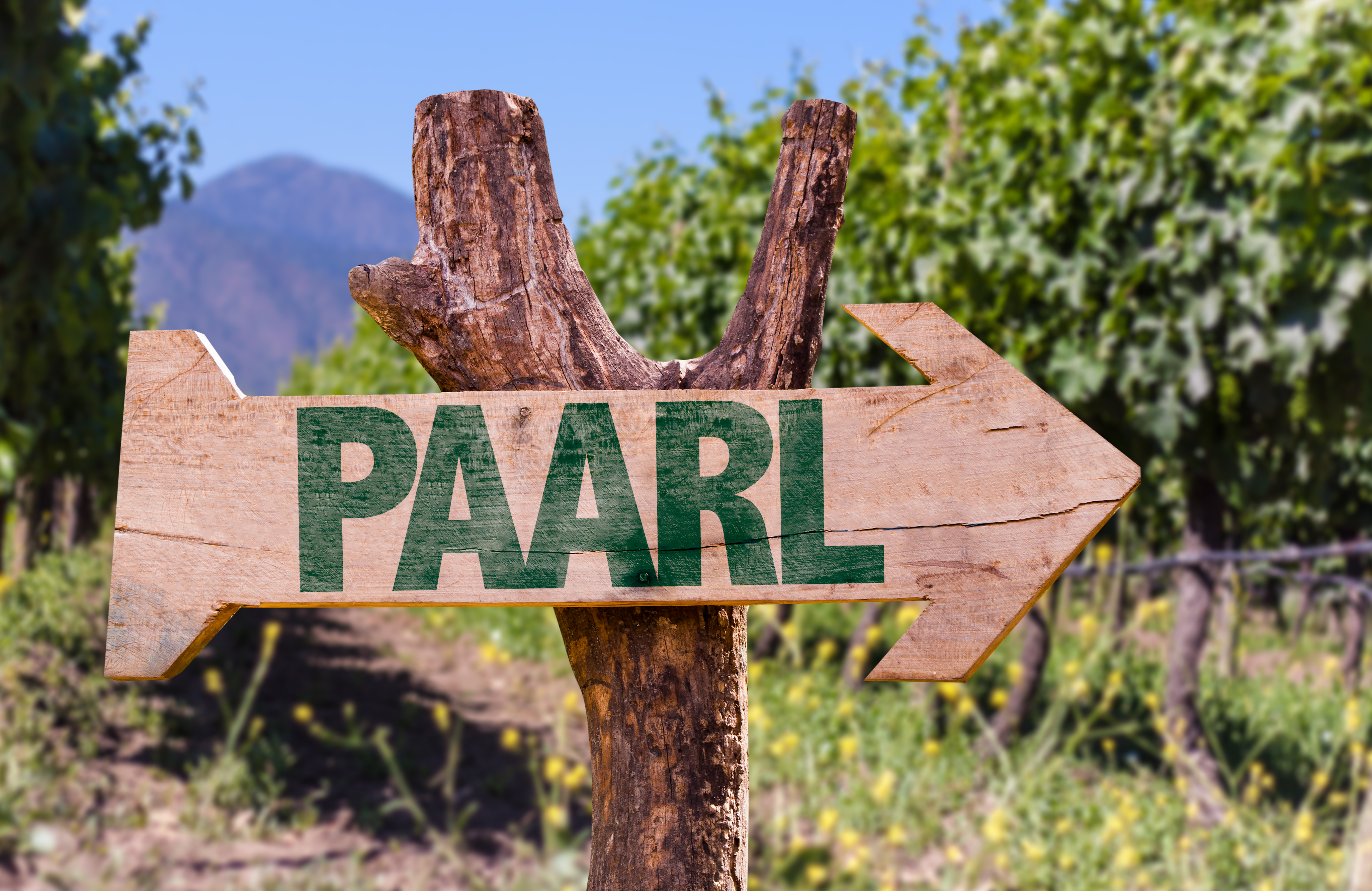
Paarl, Western Cape, South Africa
© ShutterstockFrom a suburb called New York in Paarl East to the corridors of the Western Cape Government, Wendy Kaizer-Philander’s journey into leadership has been shaped by one enduring belief: communities have the power to carry people through their most difficult moments. Days before she was appointed Western Cape Minister of Social Development (MEC), Kaizer-Philander reflected on her journey, her passion for protecting vulnerable people and the role communities must play in building a better society.
“I am a girl from a suburb called New York, in Paarl East,” she says with a smile. “Some people laugh when I say I am from New York.” But it was there, she says, that she first experienced what community truly means and what it should be. Kaizer-Philander was still at school when she lost her mother. She was in Grade 11, preparing for her final examinations, when the news came. “I can remember I was writing my final exams and the headmaster called me. I went from school to the hospital and learned that my mom had passed away.
“At that age, you are vulnerable, and life can basically take you anywhere. But my school community, the community where I grew up and my family carried me. That was really my anchor and my pillar.” That experience would shape her understanding of resilience and the importance of people showing up for one another. She still remembers her father telling her that she would become something in life. His sacrifices to support her education left a lasting impression. “Those experiences shaped me,” she says. “They made me passionate about people.”
Before entering politics, Kaizer-Philander worked as a government official. But she increasingly felt uncomfortable with some of the policies she was expected to implement. "In terms of certain policies that I had to execute, it didn't quite speak to what was happening within our communities,” she says. That disconnect eventually drew her into politics. She became involved in the Democratic Alliance as a branch secretary in her ward before deciding to stand as a ward councillor, a decision that meant giving up the security of her government job.
“I had a conversation with my husband. At the time, our two children were still very young. You have to think about the future, obviously. The one job had security, and the other was a five-year political term with no guarantee. “But after much prayer, I said: I must do this.” Politics and activism were not entirely unfamiliar to her. Growing up, she watched her aunt become involved in civic organisations and community issues. “We had people coming in and out of our house,” she recalls. “The civic organisations were basically the go-to when communities had issues.
“I think that was also grooming me, in a sense, through seeing what my aunt was doing, even if it was low-key.” Her political journey gathered momentum quickly. After serving as a ward councillor, she became a Member of the Mayoral Committee (MMC) for Human Settlements and later also served as MMC for Social Development. In 2018, she was elected to the Western Cape Provincial Parliament.
She remembers people asking what she would do there. For Kaizer-Philander, however, it represented an opportunity to do more for the people she had always wanted to serve. “Not many of us have the opportunity to serve at that level,” she says. “But my work, for me, is not behind papers. I am here for my community.” Much of her work in the Provincial Parliament has focused on social development and the protection of vulnerable children. She has served on the social development committee for many years and chairs the province's Child Protection Committee, which she says was the first of its kind in the country.

Wendy Kaizer-Philander was appointed Western Cape Minister of Social Development.
© SuppliedFor her, addressing social challenges requires more than policies and reports. It requires going into communities and understanding the realities people face. “We need to go into our communities to understand the challenges,” she says. “It breaks my heart sometimes to see kids standing aimlessly around corners, from the morning until the evening, indulging in substances.” She believes opportunities, including access to education and institutions such as universities, can play an important role in protecting young people from poverty, substance abuse, and gang activity. “It is about saving our children,” she says.
While government has an important role to play, Kaizer-Philander believes lasting change will require a collective effort. Her experience in local government, she says, has also given her a practical understanding of how government works and strengthened her commitment to accountability. “My experience in local government really helped me and gave me a huge advantage in what I am doing now. A lot of my work also requires strong accountability, and it helps me ask the right questions.”
But perhaps the strongest theme running through Kaizer-Philander's approach to leadership is her belief in ubuntu and the need to rebuild a sense of shared responsibility. “In the past, a child was everybody's child,” she says. “Things have changed drastically. We don't have that sense of community anymore.” She believes there is also an expectation that government alone should solve society's challenges. “There is no way that government can do it alone,” she says. “We need to take responsibility, and it starts within our respective homes. “The narrative of waiting for government to do something for me is something we need to change drastically.”
For Kaizer-Philander, rebuilding communities also means looking out for one another and refusing to turn away when people are vulnerable. “There is no way that a neighbour wouldn't know if there is domestic abuse going on, or if a child is being molested, or something that effect is happening within our communities,” she says. “But we choose to look the other way because it doesn't concern us.” What is needed, she believes, is a return to a culture of care. “We need to cultivate that love for each other,” she says. “We need to bring that back into our communities.”
Kaizer-Philander is equally critical of political approaches that, in her view, exploit people's vulnerability for electoral gain. “I will never have the heart to go to a SASSA office with a camera in someone's face or barge into someone's home, invading their privacy,” she says. For her, dignity must remain at the centre of public service. “I think the populist politics of today is not advancing our communities; it is advancing individuals, which is very sad,” she says. “We must protect the dignity of our people.”
From the community that carried her through the loss of her mother to a career dedicated to serving vulnerable people, Kaizer-Philander's journey has come full circle. Her belief remains simple: government matters, leadership matters, but communities matter too. And perhaps the future she envisions begins with a return to an old idea, that every child is somebody's responsibility, and that building stronger communities starts with caring enough to look out for one another.
Wendy Kaizer-Philander was appointed Western Cape Minister of Social Development days after this interview.