Maritime Security
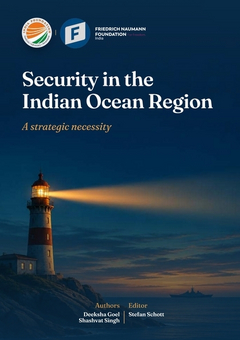
Security in the Indian Ocean


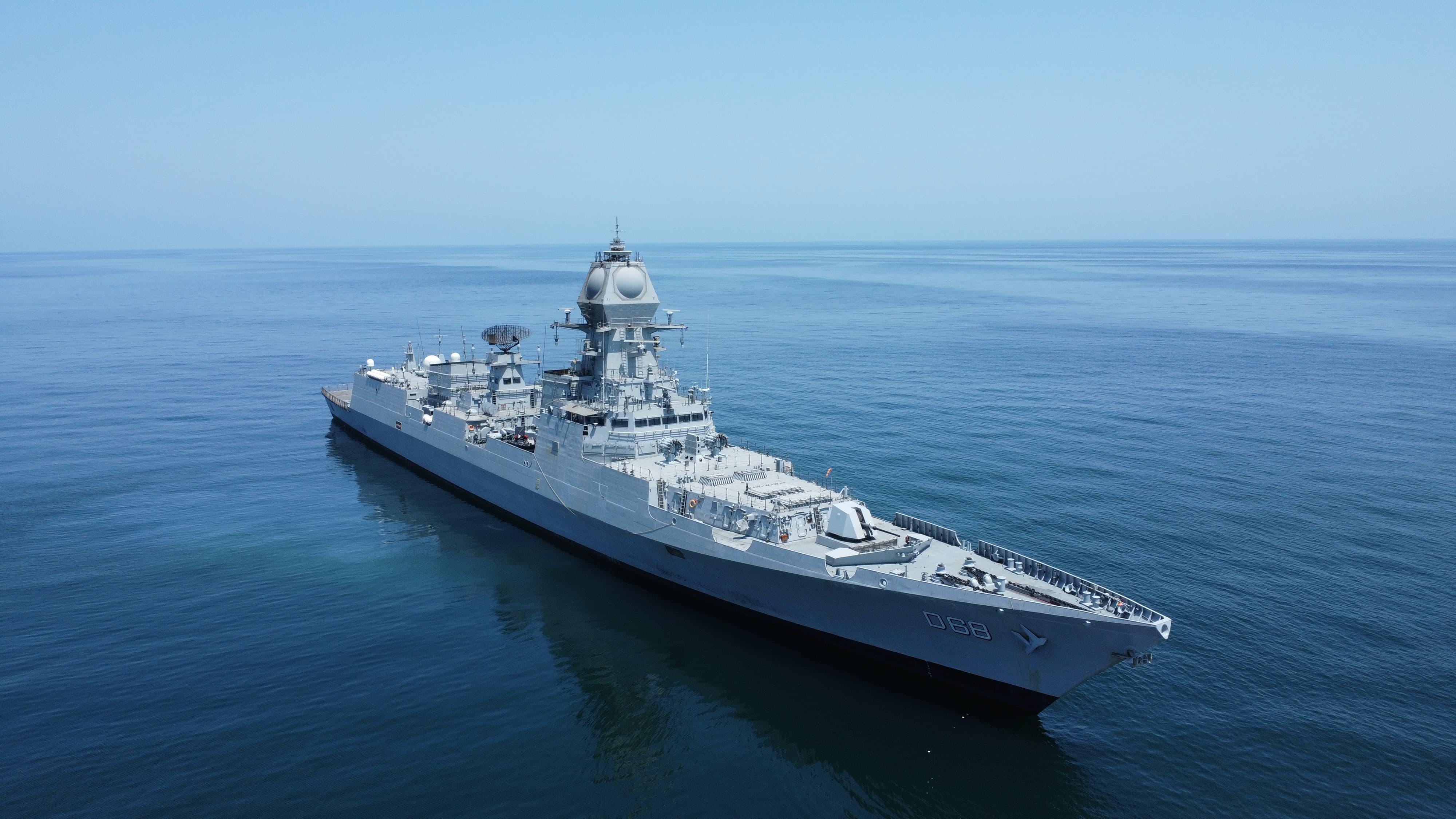
Das indische Marineschiff INS Imphal auf See.
© Foto: Indian Navy – Western Fleet, via Wikimedia Commons, Government Open Data License – India.The blockade of the Strait of Hormuz has shaken the global economy. A new publication by the Friedrich Naumann Foundation for Freedom shows why the Indian Ocean is indispensable to global trade and what role Europe can play in securing it.
The blockade of the Strait of Hormuz has triggered an economic shock worldwide. Oil prices rose by 24 per cent. The International Monetary Fund (IMF) cut its forecast for global growth in 2026 to 3.1 per cent. The United Nations Conference on Trade and Development (UNCTAD) expects growth in world merchandise trade to slow from 4.7 per cent in 2025 to between 1.5 and 2.5 per cent in 2026, and names the closure of the strait as the cause.
Despite the great distance, Europe is feeling the consequences too. Growth is slowing, energy costs are rising and energy supplies are running short. India and other South Asian countries are hit even harder, as they are particularly dependent on energy imports from the Gulf region.
More chokepoints in the Indian Ocean
Hormuz is only one of several strategic chokepoints in the Indian Ocean. Others include the Bab-el-Mandeb Strait, the Strait of Malacca and the Cape of Good Hope. Major disruption at any of these points could have similarly severe consequences for the global economy and global supply chains.
“Protecting the trade routes in the Indian Ocean is a vital European interest. As the world’s largest democracy, India is the right partner for this,” says Marie-Agnes Strack-Zimmermann (FDP), Chair of the European Parliament’s Committee on Security and Defence.
The Indian Ocean is the central maritime link between Europe and Asia and one of the most important corridors of world trade. Around 30 per cent of global container traffic passes through it, and roughly two thirds of the world’s seaborne oil trade transits the wider region. This strategic importance has made the Indian Ocean an arena in which different countries compete for influence and control.
Protecting the trade routes in the Indian Ocean is a vital European interest. As the world’s largest democracy, India is the right partner for this.

Growing military presence
Several major powers are expanding their military capabilities in the region to protect their strategic interests. China and India in particular are enlarging their navies and investing in maritime defence infrastructure. The United States, the United Kingdom and France also maintain a military presence there.
Non-state actors add to the pressure. The Houthis in Yemen and pirate groups from Somalia threaten key sea lanes and further worsen the security situation in the region.
What role Europe can play
The publication examines the importance of the Indian Ocean for world trade and the security risks to its sea lanes. It gives an overview of the key actors in the region and their strategic measures. Building on this, it shows what is needed to safeguard freedom of navigation and unimpeded maritime trade.
The paper also asks what contribution Europe can make and where there are opportunities for closer cooperation between India and Europe.