Shaping the Future of Tunisia’s Coastline
Towards a More Resilient Coastline: A Dialogue on Tunisia’s Coastal Future

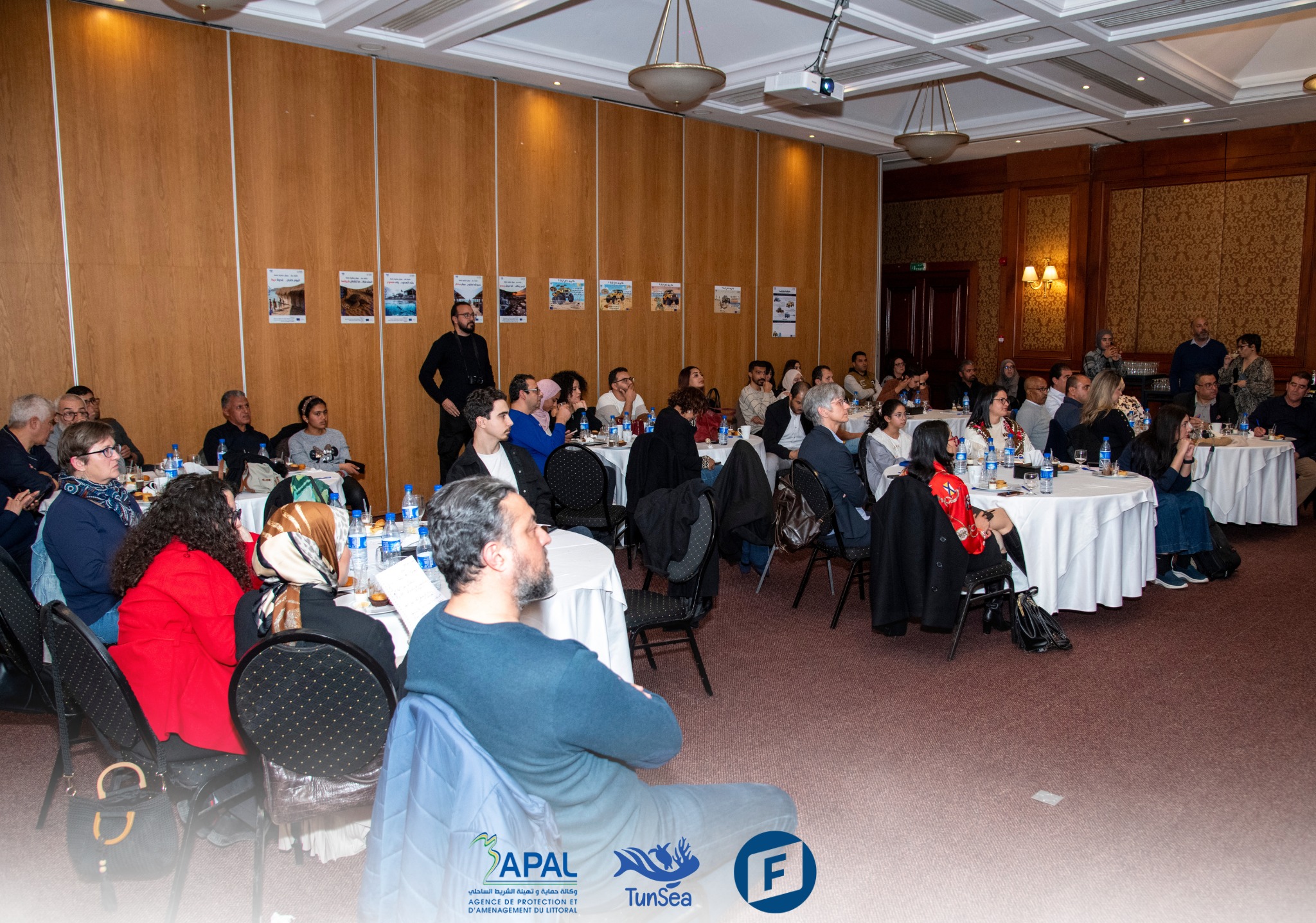
On March 7, 2026, a unique evening of dialogue brought together key voices committed to the future of Tunisia’s coastline. Organized by FNF and the Association TunSea for Participatory Science, the event created a space for meaningful exchange on the challenges and opportunities facing the country’s coastal ecosystems.
A Multi-Stakeholder Dialogue
The event gathered a diverse group of participants, including experts, researchers, civil society actors, environmental organizations, tourism professionals, and media representatives. This diversity reflected the complexity of coastal issues and the need for collaborative, cross-sectoral solutions.
Throughout the evening, discussions highlighted the urgency of addressing the increasing pressures on Tunisia’s coastline, while also emphasizing the importance of dialogue as a tool for collective action.
Understanding the Challenges
Participants explored several critical challenges affecting the Tunisian littoral today. Among the most pressing issues discussed were:
- Climate change, which is accelerating sea-level rise and intensifying extreme weather events
- Coastal erosion, threatening beaches, infrastructure, and local economies
- Human pressures, including urbanization and unsustainable coastal development
These challenges are not only environmental but also socio-economic, directly impacting livelihoods, tourism, and long-term sustainability.
Nature-Based Solutions at the Core
A key focus of the discussion was the role of nature-based solutions in protecting coastal ecosystems. Experts emphasized the importance of preserving and restoring natural barriers such as:
- Seagrass meadows, particularly Posidonia oceanica, which play a crucial role in stabilizing seabeds and reducing wave energy
- Sand dunes, acting as natural buffers against coastal flooding and erosion
- Coastal biodiversity, essential for maintaining ecosystem balance and resilience
These solutions offer sustainable, cost-effective alternatives to artificial coastal defenses while supporting biodiversity and ecosystem health.
The Role of Sustainable Tourism
The conversation also addressed the intersection between coastal preservation and economic development. Participants stressed that sustainable tourism can be a powerful driver for protecting natural coastlines, provided it is managed responsibly.
By promoting eco-friendly practices and valuing natural heritage, Tunisia can safeguard its beaches while ensuring long-term economic benefits for local communities.
A Promising Partnership
This event also marked the beginning of a promising collaboration between FNF Tunis and TunSea. Together, we both aim to foster dialogue, support knowledge-sharing, and encourage initiatives that contribute to a more resilient and sustainable coastline.
Looking Ahead
As Tunisia faces growing environmental challenges, initiatives like this dialogue are essential. They not only raise awareness but also build bridges between stakeholders and promote practical, forward-looking solutions.
Protecting Tunisia’s coastline is a shared responsibility, one that requires continued cooperation, innovation, and commitment.