Economy
39th Enterprise Days: Businesses and the New Economic Order

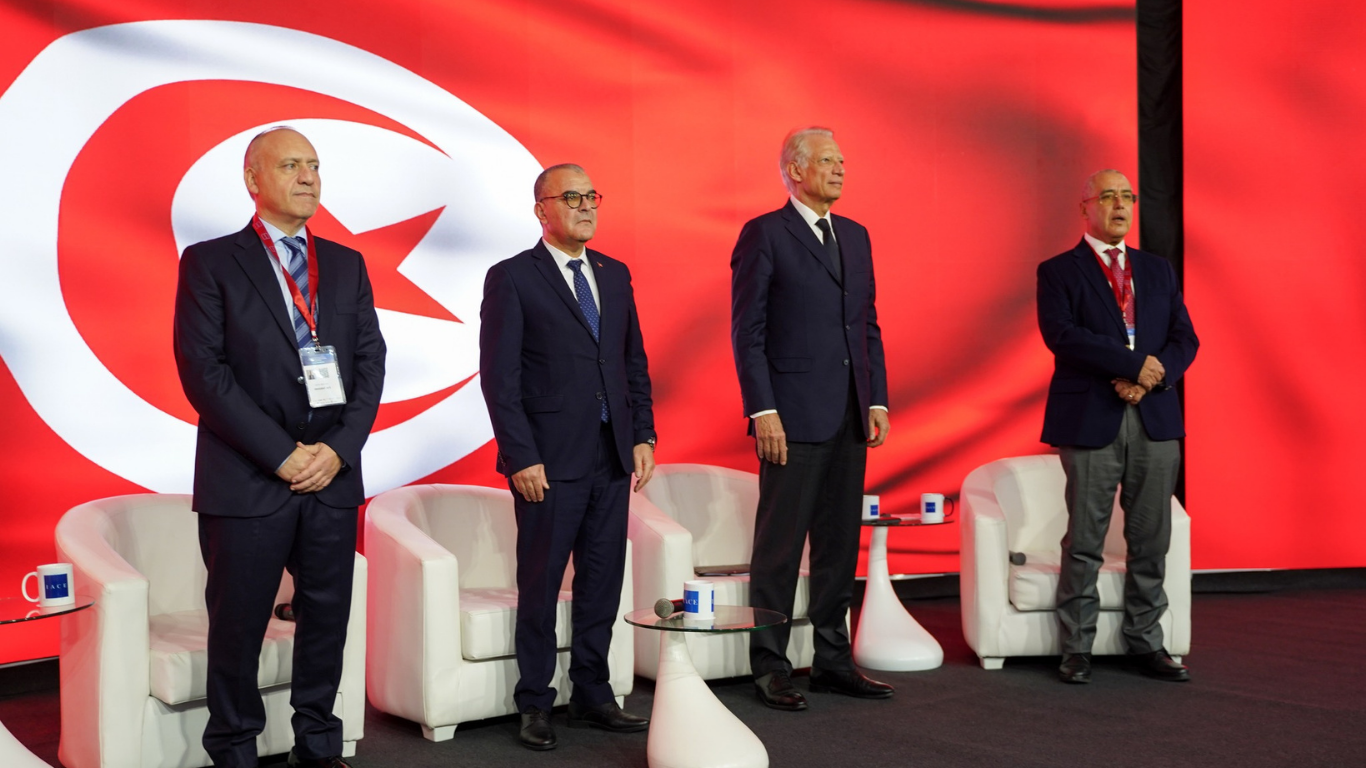
The 39th edition of the Enterprise Days took place at a pivotal moment for Tunisia and the global economy. Over the course of three days in December, public decision-makers, entrepreneurs, policymakers, and national and international experts came together to reflect on a shared challenge: how enterprises can navigate and reposition themselves within a rapidly evolving economic order marked by uncertainty, fragmentation, and transformation.
At the heart of this year’s edition was the theme “Businesses and the New Economic Order”, reflecting the growing need to rethink economic models in light of geopolitical shifts, structural national reforms, technological acceleration, and changing relationships between the public and private sectors.

A global economic order in transformation
Several sessions focused on the reconfiguration of the international economic system, shaped by rising geopolitical tensions, trade disruptions, and shifting power balances. These global dynamics have direct consequences for open and mid-sized economies such as Tunisia, particularly in terms of investment flows, trade relations, supply chains, and financial stability.
Speakers highlighted the importance of strategic positioning, economic sovereignty, and regional integration, while emphasizing the need for Tunisian enterprises to better anticipate global risks and identify new opportunities emerging from these transformations.

National reforms and the role of institutions
Another central pillar of the discussions addressed national economic and institutional reforms, including fiscal policy, monetary stability, investment frameworks, and regulatory environments. Exchanges between economic actors and public authorities underscored the importance of restoring trust, predictability, and dialogue between institutions and the private sector.
In this context, the Enterprise Days once again played a key role as a platform for direct interaction between entrepreneurs and the administration, allowing concerns, expectations, and reform priorities to be openly discussed.

Entrepreneurship, governance, and political decision-making
The interaction between the entrepreneurial sphere and political decision-making was also at the core of the program. Panels explored new models of economic governance, emphasizing transparency, accountability, and inclusive decision-making as essential conditions for sustainable growth.
Participants stressed that businesses today are not only economic actors but also key stakeholders in democratic governance, social stability, and long-term development, particularly in periods of economic and political transition.

Technology, innovation, and artificial intelligence
Technological transformation emerged as a major cross-cutting theme throughout the event. Sessions dedicated to digital transformation, innovation, and artificial intelligence highlighted both the opportunities and challenges associated with technological adoption within enterprises.
Discussions focused on productivity gains, competitiveness, skills development, and the ethical and regulatory implications of AI integration. Speakers emphasized that technological progress must be accompanied by appropriate governance frameworks and human capital investment to ensure inclusive and sustainable outcomes.

High-level participation and international perspectives
This 39th edition was marked by the participation of high-level national and international figures, including:
-
Mr. Samir Abdelhafidh, Minister of Economy and Planning
-
Mr. Sofien Hemissi, Minister of Communication Technologies
-
Mr. Fethi Zouhair Nouri, Governor of the Central Bank of Tunisia
-
Mr. Dominique de Villepin, former Prime Minister of France
-
As well as an online intervention by Hanns Dieter Scheerer, member of the Committee on European and International Affairs in Germany
Their contributions enriched the debates by offering comparative perspectives and strategic insights into the economic transformations underway at both regional and global levels.

A long-standing partnership for dialogue and reform
A partner of the Enterprise Days for more than a decade alongside IACE, FNF Tunisia is proud to support this longstanding space for reflection and dialogue. By accompanying the Enterprise Days, FNF Tunisia reaffirms its commitment to promoting open economic dialogue, supporting reform-oriented debates, and strengthening the link between economic freedom, good governance, and democratic values.
As Tunisia and the global economy continue to evolve, platforms such as the Enterprise Days remain essential for fostering collective reflection, informed policymaking, and forward-looking strategies helping enterprises not only adapt to change, but actively shape the economic order of tomorrow.