PUBLICATION
Study on Perceptions of Geopolitics and Regional Issues
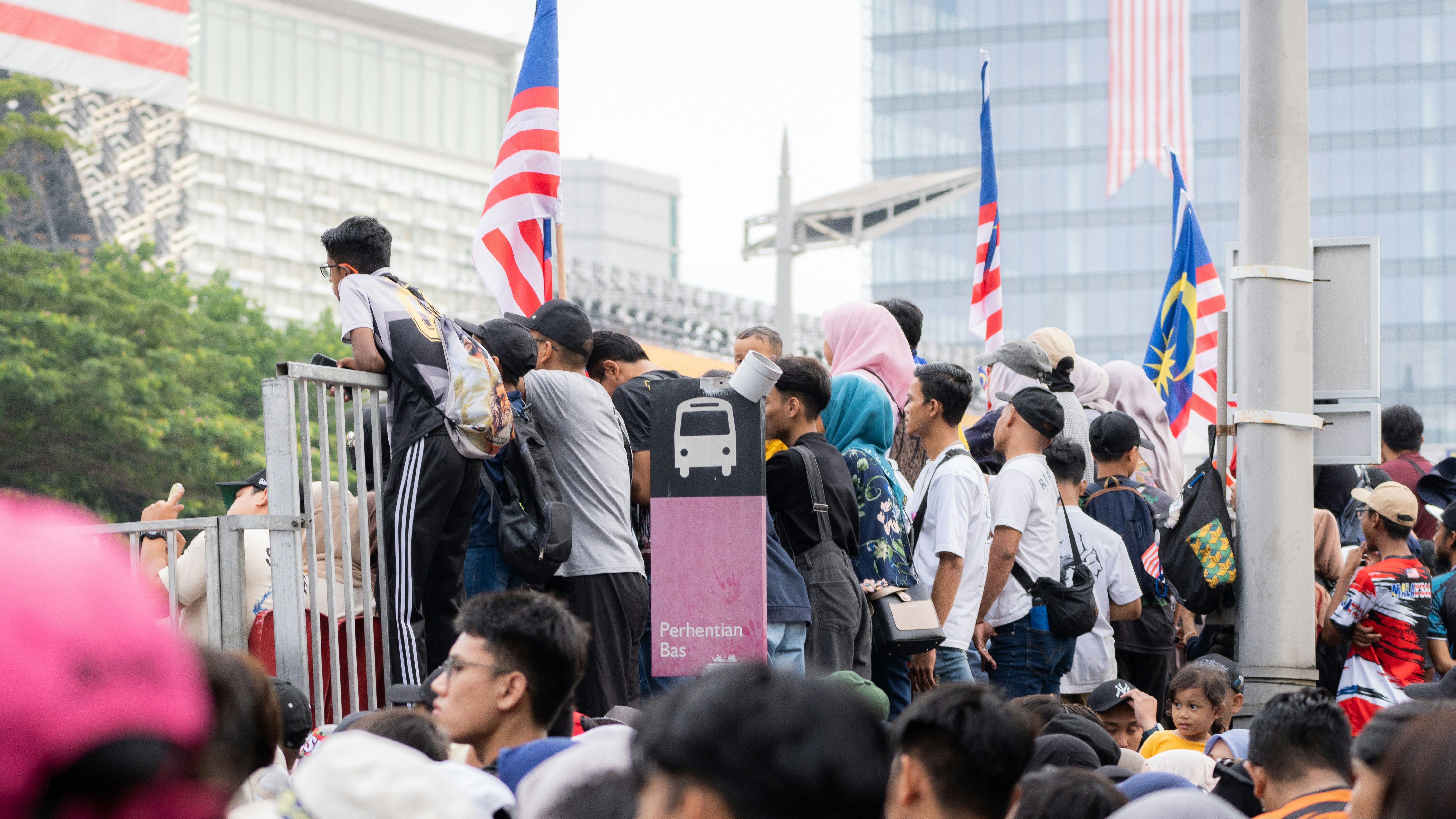
Malaysia's democracy in threat
© Photo by Putra Mahirudin on UnsplashNew Survey Series Sheds Light on Malaysia's Geopolitical Perceptions Amid a Shifting World Order
Friedrich Naumann Foundation for Freedom (FNF) Malaysia, in partnership with Merdeka Center for Opinion Research, officially launched a landmark three-part research series examining how Malaysians perceive China, Russia, and the broader geopolitical order — and what this means for Malaysia's democratic resilience and its relationship with Europe. Watch the livestream of the launch event here.
The launch brought together researchers, policymakers, diplomats, academics, and civil society actors at MiCasa Hotel and Suites in Kuala Lumpur for a deep dive into three complementary studies, each offering a distinct lens on the same urgent question: how is Malaysia's information environment shaping its place in an increasingly multipolar world?
National Survey of Malaysian Perceptions of Geopolitics and Regional Issues
Merdeka Center
Based on a nationally representative survey of 1,203 Malaysian adults, this study examines how Malaysians access information, interpret global developments, and form attitudes toward major powers such as China and Russia. Its central finding: exposure to information alone does not determine public opinion. Instead, trust, relational proximity, and personal experience are the deeper forces shaping how Malaysians evaluate foreign countries — with China judged through direct interaction and economic familiarity, and Russia remaining a far more distant, abstract presence. The report also explores Malaysians' enduring support for democracy, even amid frustration with its day-to-day performance.
Digital Influence Vectors in Malaysia
Cyfluence Research Center (CRC)
This report investigates how foreign information manipulation and interference (FIMI) operate within Malaysia's media landscape. Drawing on threat intelligence and cross-referenced survey data, it maps the architecture behind Chinese and Russian narrative campaigns, from state media networks and diplomatic social media channels to local proxies and trusted domestic news outlets. While Malaysia is not undergoing authoritarian conversion, the report finds sustained, structurally embedded exposure to anti-Western narratives, with significant implications for how civil society and policymakers should respond.
Europe and Malaysia: Staving Off the Chinese and Russian Narrative Threat
Dr. Benjamin Barton, University of Nottingham Malaysia
This policy paper builds on the findings of both surveys to argue that Europe and Malaysia face strikingly similar threats: the erosion of democratic resilience through the spread of authoritarian-aligned narratives. Barton contends that Germany and Europe have both a strategic interest and a genuine opportunity to deepen engagement with Malaysia. Not through competition with China and Russia on their terms, but by reinvigorating public diplomacy and soft power to offer a credible democratic alternative.