German American Conference 2026
Rethinking Transatlanticism: Lessons from the German American Conference 2026

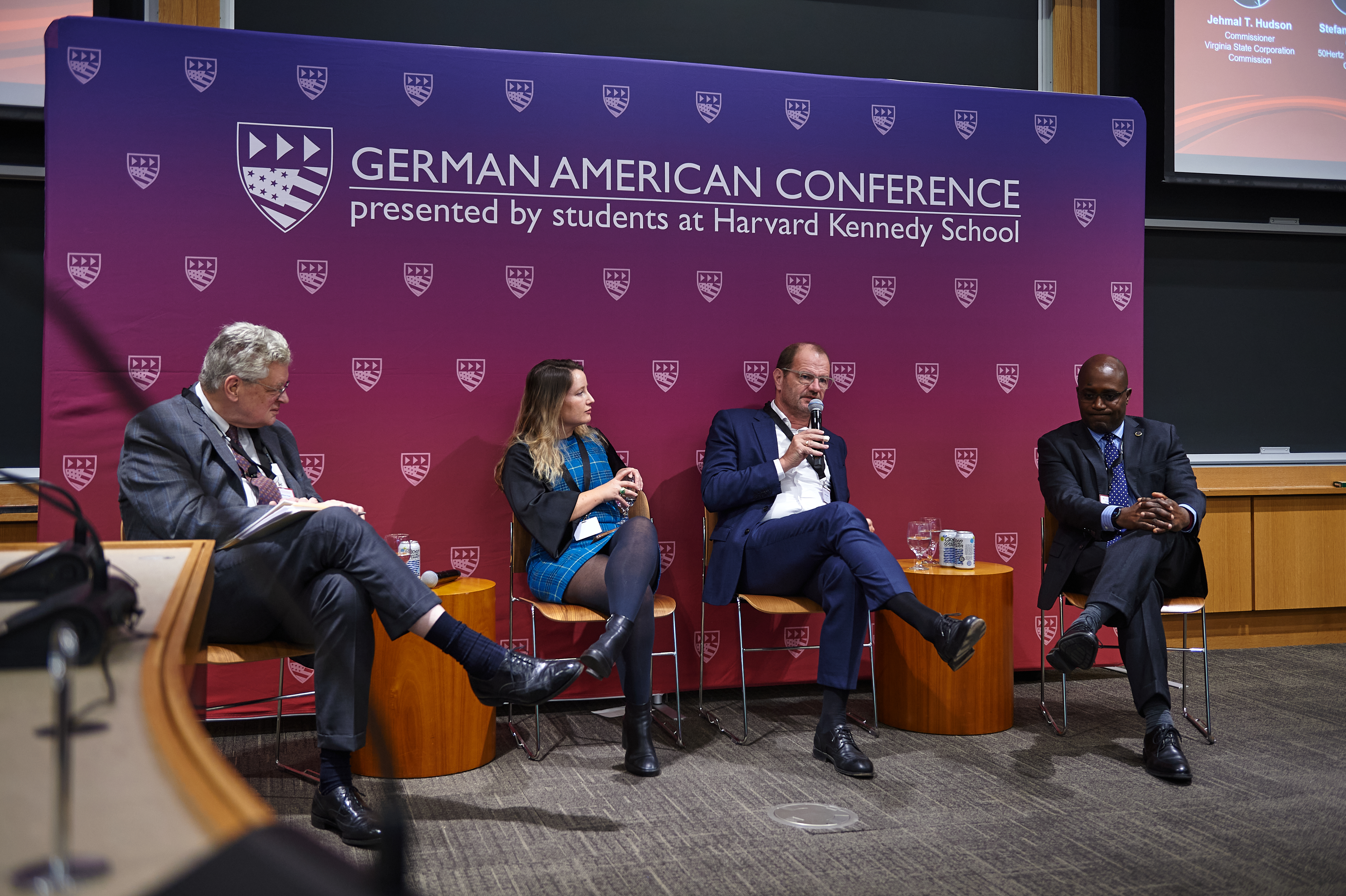
Stefan Kapferer at the GAC 2026
© GACThe German-American relationship is under strain on multiple fronts: security guarantees, trade restrictions, and shifting geopolitical priorities. A partnership that has flourished over recent decades has reached a low point, raising questions about how to move forward. This challenge was a central theme of the conference.
Each year, the German-American Conference (GAC) brings together experts from industry, politics, think tanks, and academia to discuss innovative approaches to the evolving relationship between Germany and the United States. The Friedrich Naumann Foundation is proud to have once again supported this year's GAC as a Sponsor.
One of the conference's greatest strengths is the diversity of topics covered under the umbrella of transatlantic relations. Panel discussions explored scientific collaboration, security developments, the potential impact of the upcoming US midterm elections, and emerging technologies such as artificial intelligence and quantum computing, among many other issues. Particularly memorable were the small-group fireside chats with experts, which provided valuable opportunities to engage directly and ask challenging questions.
A highlight for the delegation was a private fireside chat with Stefan Kapferer, CEO of 50Hertz, who took the time to meet with the group and share thoughtful insights into German energy policy and developments in liberal politics in Germany.
It is difficult to capture the many insightful conversations and compelling discussions in just a few words. Nevertheless, three key takeaways stood out.
Liberal values are key to the transatlantic relationship
A recurring theme across the panels was the importance of free markets, strong democratic institutions, and individual freedom. These liberal values remain essential foundations of the German-American partnership. By strengthening their shared commitment to democracy and individual liberty, Germany and the United States can help restore the trust, strength, and solidarity that have long defined their relationship.
Transatlantic industrial collaboration depends on reducing trade barriers
Whether in the automotive, technology, pharmaceutical, machinery, or defense industries, companies on both sides of the Atlantic would benefit from fewer trade restrictions. Current protectionist tariffs not only harm businesses but also impose additional costs on consumers. How can companies collaborate effectively across borders without regulatory certainty and in an environment shaped by increasingly restrictive trade policies?
The will to cooperate remains strong
Conversations with political figures, industry leaders, senior think tank fellows, civil society activists, and distinguished professors confirmed what we observe daily in Washington, D.C.: People in both the United States and Germany continue to value a strong transatlantic relationship. While political administrations may create hurdles, individuals, businesses, and civil society organizations recognize the benefits of a thriving partnership. The willingness to work together, share responsibilities, and pursue common interests remains strong.
We look back on another rewarding German-American Conference, enriched by fresh perspectives, meaningful discussions, new connections, and familiar faces. Above all, we return with a renewed sense of optimism, knowing that countless individuals on both sides of the Atlantic remain committed to strengthening the transatlantic partnership.