Midterm elections
Campaigning in the battleground State Ohio

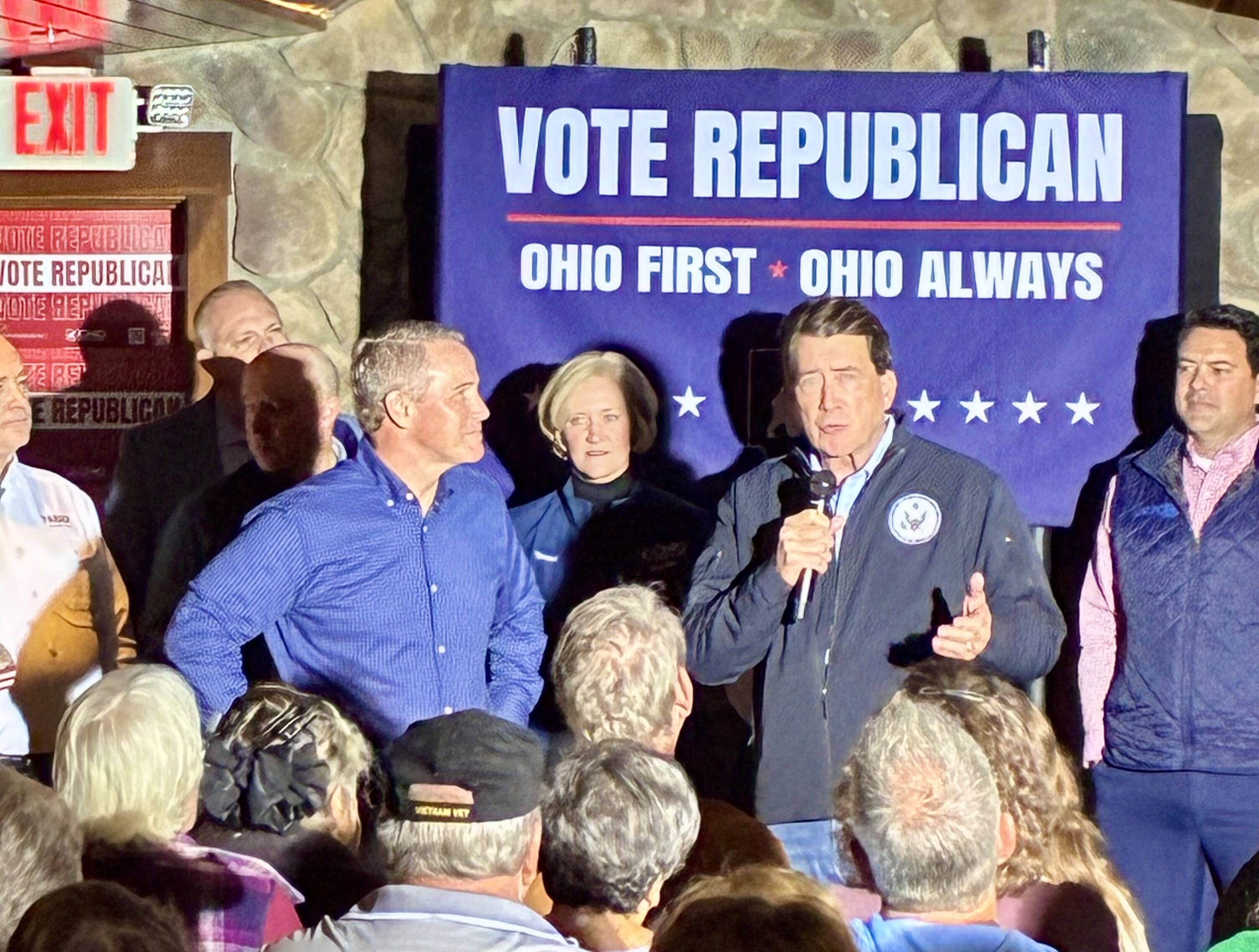
Two years into Trump’s second tenure as President of the United States, a new political outlook is emerging. This year’s midterm elections were a decisive rebuke of the reigning administration. The Democratic party flipped seven Senate seats (with two more in play), five governorships, and more than 40 House seats, outperforming even optimistic forecasters. As a result, the US-Senate and US-House of Representatives now operate with a Democratic single majority.
The Friedrich Naumann Foundation’s Regional Office USA Canada organized a study tour to Washington, DC, and Columbus, Ohio with our Alumnus Scott Milburn, from October 24th to October 31st for delegates working in FDP Offices in Germany. The aim was to learn the dos and don’ts of campaigning, how effective political communication is done, and how party organizations operate. There is no better place to learn this than from the highly sophisticated, extremely expensive election campaigns across the United States.
Washington, DC was the starting point of the study tour and paved the way for deeper insights into campaigning in Columbus. In these first meetings, the delegation gained a better understanding of recent political developments, the role of the Federal Election Committee, and the likely outlook. Nobody we spoke to predicted the “blue wave” to be this large.
In Ohio the focus was the organizational structure of the parties, from state wide party to local candidates, and on how they advertise themselves and make the most efficient use of available resources.
Money Talks
From the outset, we identified a key difference in financing. While candidates raise millions of dollars for their campaigns, PACs and Super PACs outdo them with ease; hundreds of millions are poured into selected races. The FEC sets clear guidelines on transparency and financial restrictions and audits campaigns. These large financial contributions allow candidates and parties to hire top experts.
You get what you pay for
Experts guide candidates to a successful campaign. They support the candidates in specific areas, whether advertising, speechwriting, data analysis or fundraising. The more a campaign raises, the more top-dollar campaign experts you can bring on. In the US, campaigning is a profession and a huge business. Experts usually affiliate with a party, they are available for hire. The delegation had the opportunity to meet several experts, who took their time to walk them through every step of a campaign strategy, from organizational setup and internal communication to grassroot campaigning and canvassing.
Data is key
Meetings with FP1 Strategies, Clarity Campaign Labs, The Strategy Group and High Bridge Consultants gave the group valuable insights into the different disciplines of campaigning. The sophistication behind these methods is impressive. Data specialists are an essential part of every campaign design because they identify target voters, showing campaigners whose doors to knock on and which issues those voters would like addressed. Germany, once again, applies stricter EU-data protection laws, so this level of data collection cannot be carried out legally in the same way. Nevertheless, certain methods and strategies can be applied in a similar manner. Understanding and engaging your voter base can be a significant asset in many aspects of campaigning. Keyword: voter mobilization.
Due to permissive data collection rules, advertising laws and its political system, the US candidates have highly professionalized campaigning. Within existing laws and regulations, Germans could apply the ideas in the domestic playground. And one lesson we also learned in the 2026: having more money will not win you the election.