ELF x FNF Türkiye
Our Visit to Lampedusa: From Migration Figures to Seeing People

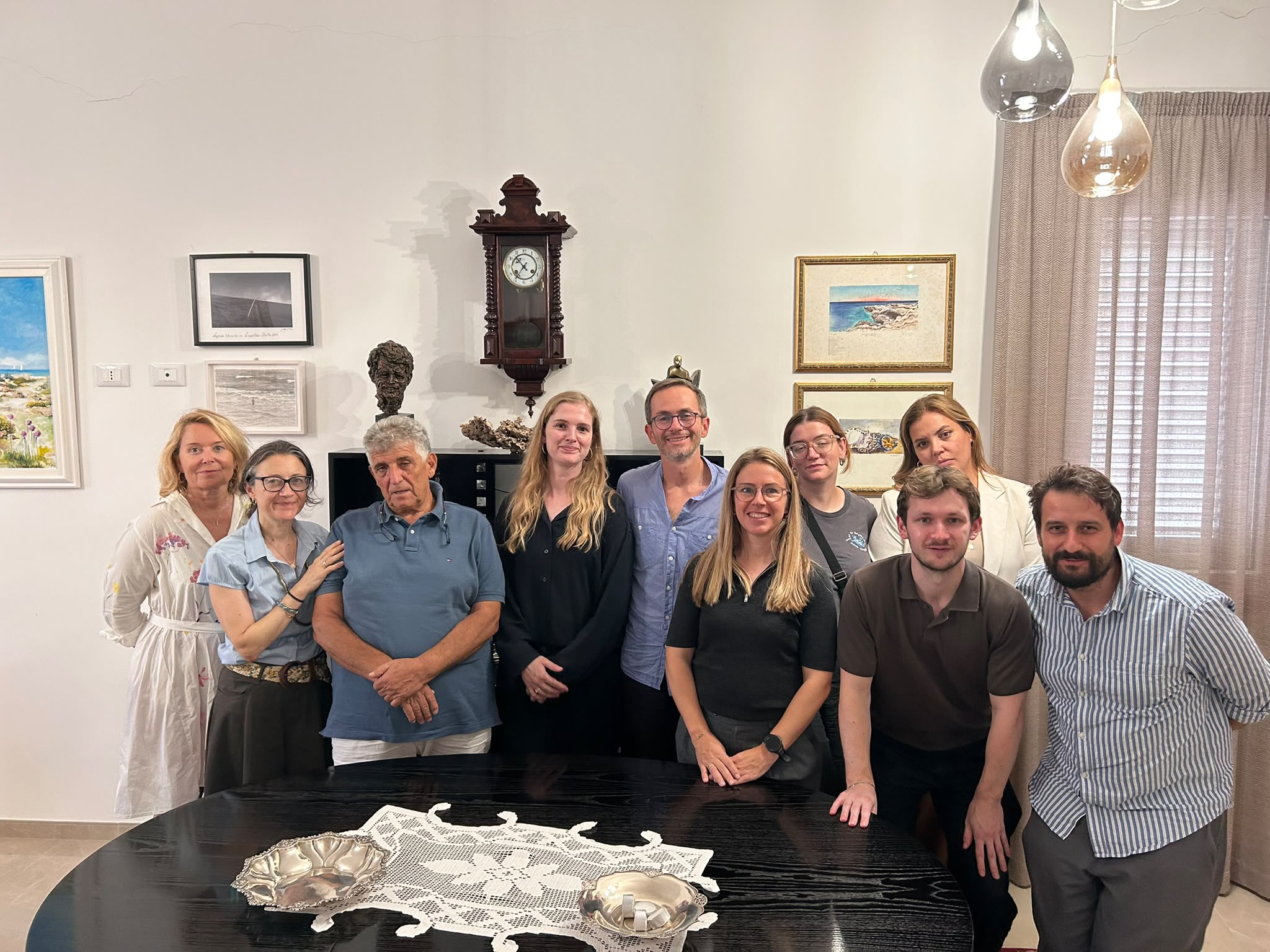
When people talk about migration, they oftentimes begin by looking at numbers and figures. But when we arrived in Lampedusa on 20 September as part of a group visit organized by the European Cities Network on Migration, I simply saw an urgent reality on the ground that the staff had to deal with: What occurs in the first hour after a person arrives? Who gives an explanation about what comes next? How is a medical need recognised and who ensures that action is taken? And what is necessary for someone to be able to move safely to the correct place beyond the island?
Only by seeing the hotspot and speaking with the people in charge of the first reception did these questions become clear. This trip allowed us to observe the day-to-day work which determines what reception means for each individual who arrives.
We also examined the practical impact of the new EU Pact on Migration and Asylum regarding reception, registration and referrals. To assess these changes, we need to consider what difference they are making for the people arriving and the teams who receive them.
One point remained with us: all the staff we came across referred to ‘people’ rather than ‘migrants’. Accordingly, we began to use the same term. Although it was a minor habit, it mattered: policy labels can describe only part of a person’s situation. A liberal approach must have the individual at its heart in our language, in our decisions and in our systems.

The work behind reception
The first reception consists of several stages: people arrive and receive immediate help, then undergo health and identity checks, receive information about their situation, go through a vulnerability assessment, and are finally transferred on. Each stage has a specific purpose and depends on the stages before and after it.
The way we discuss migration is altered by this sequence. A procedure can be clearly set out in writing and yet still be difficult for someone who has just gone through a terrifying experience to follow. A need can be identified and still go unmet if the referral doesn’t take place. Even though the checks can be completed on time, transport or capacity limits will still prevent everything else from proceeding.
Most importantly, the visit allowed us to see the professionals who carry out each step. Reception staff must juggle many tasks while meeting each person’s needs. Their experience shows that interpretation, clear information, respect for privacy and effective handovers are policy issues, not minor concerns.
A major aspect of the visit was the discrepancy between the level of detail in the procedures and what staff can carry out. Focusing more on vulnerability helps in spotting those who require protection, such as possible victims of trafficking. It also requires more staff, more time, and a greater number of interpreters as well as referral systems that function properly. Hence two questions matter: are the resources sufficient for the task, and does recognising a need lead to ongoing support?
For liberals, the proper place to begin is by looking at how things function in reality. Respect for the individual is demonstrated by the standard of service each person gets. Trust in public institutions grows when responsibilities are clear, and the system performs its function.
Dignity and competence go together
The best argument a liberal can advance on the migration topic is one that safeguards people while also winning public confidence. The approach begins with a basic promise: any individual who reaches Europe’s border must be given clear rules, be treated with respect, and have a fair opportunity to tell their story.
To keep that commitment, it is necessary to make sensible decisions. A person who has experienced violence or exploitation may need to have privacy and a bit of time before they are able to discuss it. A child should be given information which they can understand and support according to their age. When a person goes to another reception facility, their health and protection needs must be transferred.
Speed matters, particularly because delays can increase distress, and so does the quality of the assessments. An effective system will invest in both and ensure support reaches those who need it.
Liberals can take the link between these ideas and make it clear. Good management, individual rights, and accountability are not opposing aims; rather, they form part of a single public commitment. This involves respecting the expertise of front-line workers and providing them with the tools, support, and coordination they need to carry out their duties well.

A European responsibility with local consequences
Lampedusa also shows how responsibility is shared. Although the island deals with people at Europe’s outer border, the quality of the initial reception depends on the decisions and resources taken elsewhere.
European solidarity must therefore be practical. It should involve reliable onward reception, timely transfers, and genuine support for the communities concerned. Since local authorities are involved in dealing with these policies daily, they should take part in shaping them.
This is important for maintaining public trust, since people need clear information about who is responsible, what resources are available, and how local services will be affected. New arrivals should have a system which regards them as individuals and putting money into local capacity benefits both groups, particularly when the services and infrastructure have a positive impact on the whole community.
Leading the debate with solutions
Liberals should lead the migration debate by explaining what a good system should achieve and how to reach it; this means clearly stating the need to save lives, ensuring fair procedures, providing legal routes, adopting shared responsibility, and highlighting the advantages of inclusion.
One element of that agenda includes offering real alternatives to risky journeys. Humanitarian admission, resettlement, and family reunification offer protection to people. Clearly defined opportunities for work and study can be achieved on a fair basis. Each route has its own purpose, and this difference is important since the right to seek protection must never rely on someone’s skills or economic value.
Opportunity must be genuine for people who have the right to live and work in their new community. Measures such as language training, the recognition of qualifications, fair employment practices and assistance for entrepreneurs enable newcomers to take full part in European societies. All parties concerned, including employers, local governments, civil society, and the newcomers themselves, should contribute to designing these initiatives.
Results can also be measured, and liberals should ask whether information is understood, whether protection referrals are completed and whether local services have adequate support. These questions provide a stronger foundation for public discussion than broad general promises.
From arrival to inclusion: the next visit
The next visit to Gaziantep in November will build on lessons already learned and examine what local inclusion actually looks like. It will do so by holding meetings with local officials, businesses and Syrians-led organisations to show how people get jobs and become involved in community life.
The questions that will follow naturally after Lampedusa concern barriers still present after reception, how to help people use their skills, the support local governments need, and how refugees and migrants can help define what real inclusion means.
By comparing these different places, the network can connect first reception with long-term participation while also taking into account the legal and local circumstances of each.
Towards “Stop Tragedies, Attract Skills” in 2027
The spring 2027 Summit offers an opportunity to turn these lessons into a well-defined liberal agenda. It must include concrete proposals to back up its goals, each specifying clear roles, partners, and measurable outcomes such as reliable reception, strong safeguards, genuine solidarity, open legal routes, and investment in local inclusion.
The work on Lampedusa gave it a practical basis because it made us realise that migration policy is shaped in ordinary situations: when someone understands an explanation, when a vulnerability is acknowledged, when a referral is made, and when a transfer is organised.
Liberals can make a difference by linking those moments to a larger promise of freedom, dignity and opportunity. That means policies that work for people arriving, the professionals supporting them, and the communities receiving them.
The road from Lampedusa through Gaziantep to the 2027 Summit is our chance to deliver on that promise.