Community-Led Development
From Aid Dependency to Community-Led Development


Since the end of the Cold War in the 1990s, North-South development cooperation has placed strong emphasis on civil society support as a means of promoting democracy. Many NGOs received funding for programs such as civic education, election monitoring, human rights advocacy, and independent media strengthening.
From the early 2000s, this focus expanded further to include service delivery. International NGOs and local partners became larger, more professional, and more dependent on major donor contracts from institutions such as USAID and the European Union. This was especially visible in sectors such as health, forestry, and climate change.
This support played an important role in strengthening NGOs as an independent “third sector” and as a check on government power. However, it also created new concerns. Questions emerged about NGO accountability to local communities and whether many organizations had become too distant from the grassroots they intended to serve.
At the same time, there were growing concerns that NGOs had become largely donor-driven or aid-driven. Instead of prioritizing the actual needs of communities, many organizations began taking up programs based on the availability of funding. This contributed to a backlash against foreign-funded NGOs, with several governments accusing them of serving external agendas and undermining national sovereignty. As a result, many countries introduced laws restricting the ability of NGOs to receive foreign funding. Simultaneously, aid budgets in many Western countries have also come under scrutiny, leading to major budget cuts.
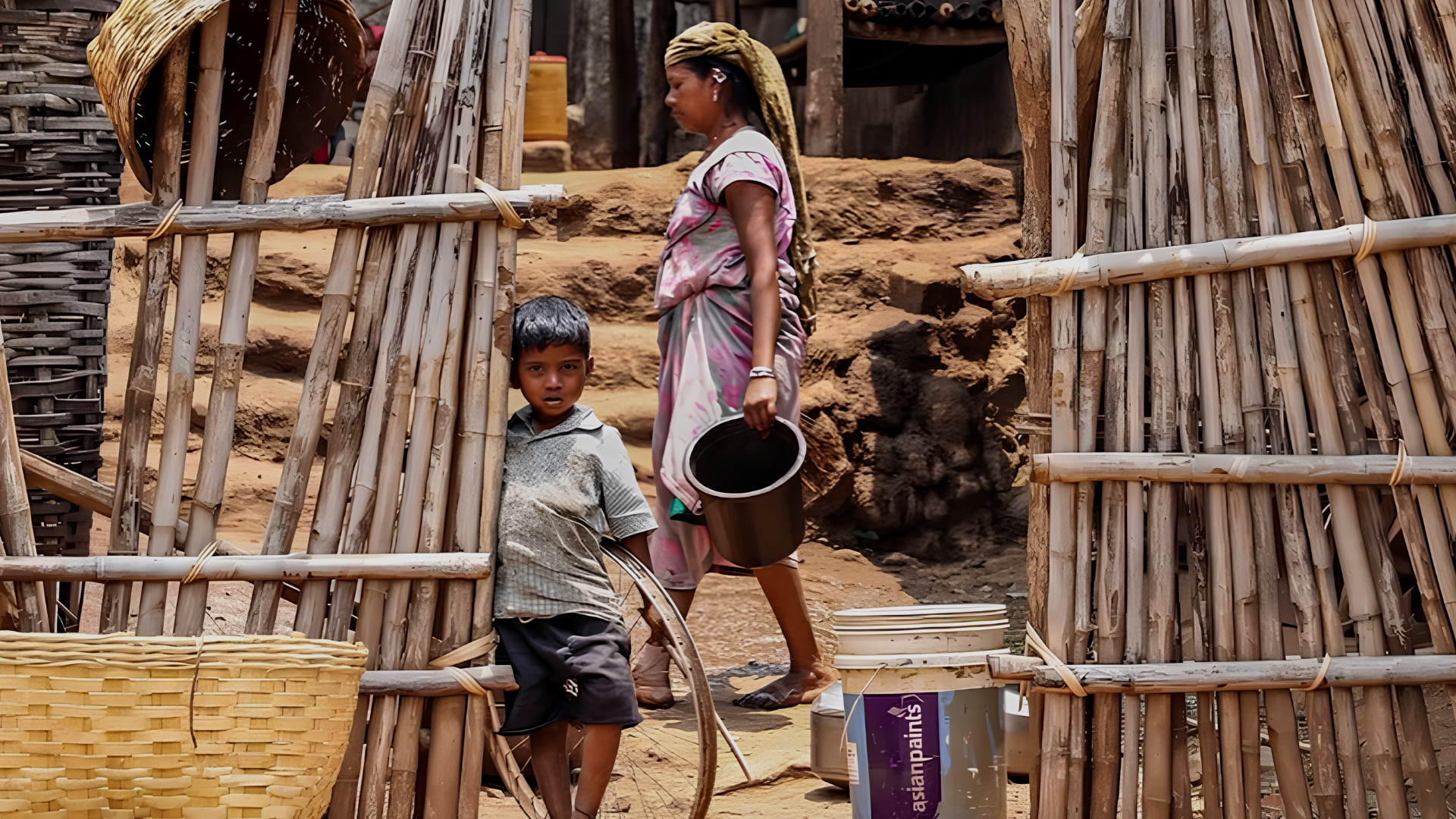
In this context, the experience of Action Research in Community Health and Development (ARCH) in India offers an alternative model of development. ARCH’s work with tribal communities to secure land titles demonstrates an approach that requires far less external funding, while producing stronger and more sustainable outcomes. It is rooted in local participation, community ownership, and practical empowerment rather than dependence on large aid flows.
By supporting tribal communities in securing formal land ownership rights, ARCH helped strengthen tenure security and economic agency among marginalized populations. Secure land rights encouraged greater investment in land, improved access to financial and economic opportunities, and contributed to wider socio-economic improvements. Importantly, the recognition of land rights also strengthened the economic agency of women within the community.
This paper examines ARCH’s four-decade-long work in securing land and forest rights for marginalized tribal communities in India. It presents a case for an alternative development approach centered on community participation, institutional inclusion, and local ownership. Unlike conventional aid frameworks that depend heavily on large-scale financial transfers from the Global North to the Global South, this model focuses on empowering communities to claim rights, access markets, and build sustainable livelihoods.
The ARCH experience shows that meaningful development need not always depend on extensive external aid. With limited funding, strong community participation, and a focus on rights-based empowerment, development interventions can achieve long-term impact while reducing dependency, increasing efficiency, and avoiding the political and social backlash often associated with foreign-funded aid.
This article is extracted from the introduction section of the paper. It provides a brief overview of the publication’s key argument and highlights the relevance of ARCH India’s community-led approach to securing land and forest rights.