Europe
The Friedrich Naumann Foundation for Freedom Europe (FNF Europe) operates offices in Brussels, Prague, Vilnius, and Geneva.
By connecting EU experts, civil society, and decision-makers, we aim to foster open dialogue and explore liberal policy solutions to European challenges. In collaboration with our liberal partners, we create engaging formats and campaigns to promote fundamental rights, the rule of law, geopolitics, and geoeconomics. Additionally, we coordinate EU co-funded projects in areas such as the internal market, digitalization, and innovation.
News
-
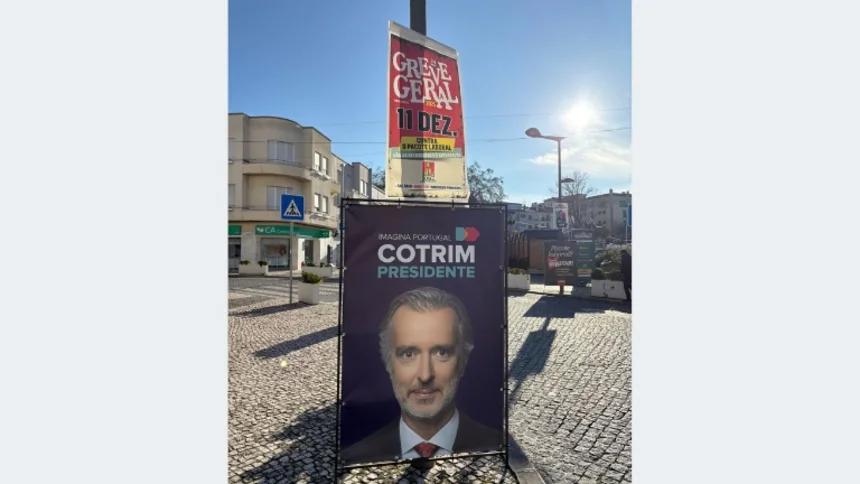
Imagine Portugal: The Rise of Optimistic Institutionalism
As Europe grapples with the rise of populist rhetoric, Iniciativa Liberal is rewriting the political playbook through ‘Optimistic Institutionalism’, distilled in the forward-looking motto “Imagine Portugal.” By moving beyond technocratic messaging, Portuguese liberals reframed their appeal around culture, knowledge, and growth. The impact was historic. In the first round of the presidential elections, liberal support surged from 5% to 16%, tripling its previous share and delivering the strongest result ever for liberals in Portugal.
-
Cyprus’s EU Presidency
Positioned at the crossroads of Europe, the Middle East, and Africa, Cyprus has taken on the EU Council Presidency with an ambitious agenda centred on security, strategic autonomy, enlargement, and Mediterranean partnerships, while carrying unresolved internal questions into its European leadership role.
-
The Digital Euro
Europe’s digital euro is no longer a theoretical debate. As key political decisions approach, the project is becoming a test case for how the EU understands digital sovereignty, competition, and the role of markets in the digital age.
-
Europe's demographic dilemma between aging and migration
Europe is undergoing a profound demographic shift, which can only be tackled effectively through targeted reforms and a modern, clearly rule-based European migration policy.
-
Rebuilding Public Trust in the Digital Age
In an era of rapid digital transformation and rising disinformation, public trust in democratic institutions is under unprecedented strain worldwide. Young liberal leaders are showing how transparent algorithms, citizen-built civic tech, and digital literacy can rebuild confidence in democracy. Their approaches also offer Germany and other EU member states a blueprint for making digital governance both innovative and genuinely accountable.
-
Balancing the Books and the Bloc: Why Italy’s Fiscal Shift Matters for Europe
Italy, a G7 and G20 member, and one of the world’s largest economies, is currently facing economic challenges. In response, the country is being urged to recalibrate its fiscal policy. Proposed measures include introducing of taxes in emerging sectors, offering tax relief for middle-income earners, and implementing a temporary levy on banks and insurance companies. Italy's economic trajectory holds significant implications for both Germany and the broader European Union.
-
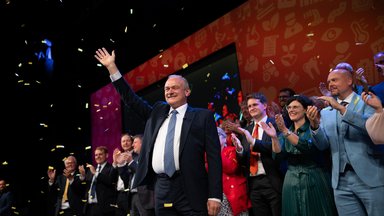
How liberals can win
A year ago, the Liberal Democrats have successfully established themselves as third-strongest force in the British Parliament. Here’s what they have done right.


-
We are Family
Rainbow families face sharply different legal realities across the EU. This policy paper compares Estonia, Germany, Hungary and Italy, showing where equality advances – and where rights remain fragile.
-
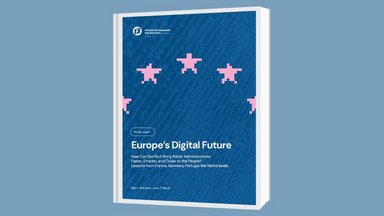
Europe’s Digital Future: How Can GovTech Bring Public Administrations Faster, Smarter, and Closer to the People?
GovTech is reshaping Europe’s digital future. In our study, Prof. Dr. Dr. Björn Niehaves and Luca T. Bauer show how openness, competition, and collaboration between start-ups and governments can drive innovation, strengthen digital sovereignty, and bring public services closer to citizens.
-
Internship in the field of communication (Brussels)
Focus: Image editing & social media
Duration: 6 months
Start date: either 1 October or 1 April -
What liberals should do to counter the rise of the radical right
How can liberals effectively counter the rising tide of the radical right in Europe? In this thought-provoking interview, political commentator Mark Thiessen explores bold strategies, communication pitfalls, and the urgent need to defend liberal democracy without losing its core values.
-
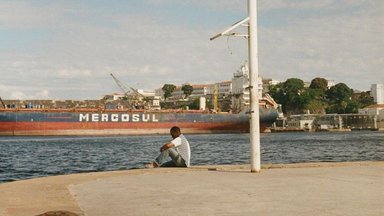
The Spanish-German Axis: A Strategic Driver of the EU-Mercosur Agreement
The EU-Mercosur free trade agreement is putting a strain on the traditional Franco-German axis, revealing disagreements between the two powerhouses. France, heavily influenced by its powerful agricultural sector, remains opposed. Germany, however, is actively pushing for the agreement's ratification. In this scenario, Berlin seems to have found a new strategic ally in Europe: Spain.
-
Perspectives for Europe 2050
What will a liberal Europe look like in 2050? How can we shape our continent’s future to reflect the values of freedom, democracy, and prosperity?
-
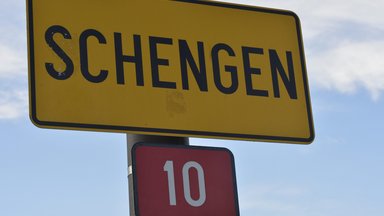
40 Years of the Schengen Treaty: Europe's Quiet Revolution and Germany's Strategic Lifeline
40 years ago, the Schengen Agreement was signed by Germany, France, Belgium, Luxembourg and the Netherlands. A review by Jules Maaten.
-
Coalition Momentum: A New Era for Liberals in Local Italian Politics
Italy held the first round of its local elections at the end of May, followed by the second round on June 8–9 across numerous municipalities in 14 of the country’s 20 ordinary-statute regions. The second round coincided with five national referendums on labor law and citizenship reforms, creating a politically charged weekend with both local and national implications.



Social Media
-
42
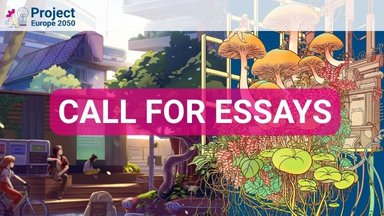
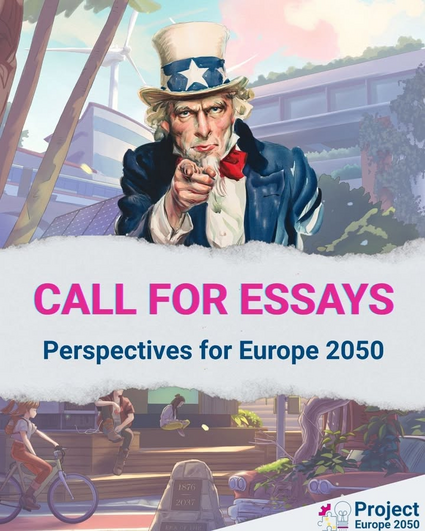
📝 Submit a short proposal (max 1,000 characters) by 15 July 2025. Selected essays will: ✅ Win €1,000 ✅ Be published in a Europe-wide collection ✅ Be brought to life by visual artists 🌐 Open to all – from across Europe and beyond. Proposals can be submitted in English or German. Whether you’re an expert or just passionate about freedom and democracy, share your vision with us. ❗ No full essays yet – just your proposal. 👉 Learn more and submit via link in comments #Europe2050 #ProjectEurope2050 #FNF #LiberalEurope #FutureOfEurope #EssayCompetition
-
2
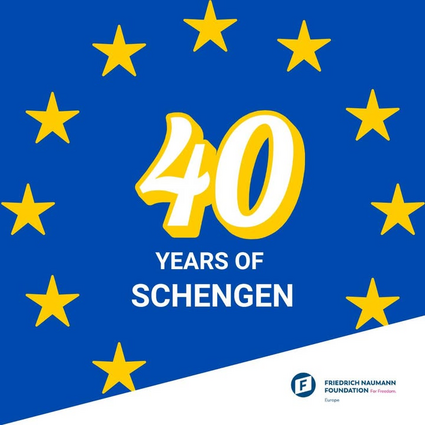
🌟 40 Jahre Schengen: Europas leise Revolution 🇪🇺 Am 14. Juni 1985 begann mit dem Schengen-Vertrag ein neues Kapitel: Ein Europa ohne Binnengrenzen. Heute ist Schengen ein Symbol für Freiheit, Handel und Zusammenhalt – und ein strategischer Anker für Deutschland und Europa. 📖 Artikel von Jules Maaten ➡️ https://www.freiheit.org/europe/40-years-schengen-treaty-europes-quiet-revolution-and-germanys-strategic-lifeline 💬 Interview mit MEP Jan-Christoph Oetjen ➡️ https://www.freiheit.org/de/40-jahre-schengen-bilanz-und-bedeutung
-
6
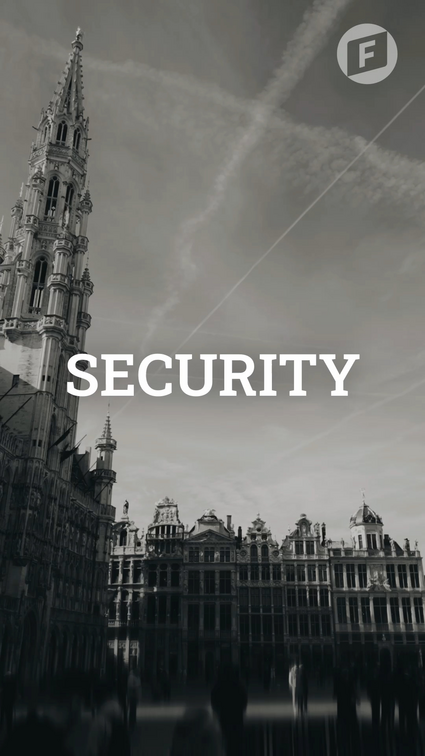
🛡️ Security for Freedom Why liberal democracies must act NOW. ⚠️ Freedom, human rights & the rule of law are under threat. In a time of global instability, we need to act — not react. 🎥 In this video: 🔹 Europe's security challenges 🔹 How to counter authoritarian regimes 🔹 Why security is key to freedom 🔹 What it takes to defend democracy in the 21st century 🙌 Featuring insights from: Delphine Pronk (European External Action Service - EEAS) Alice Stollmeyer (Defend Democracy) Maria Martisiute (European Policy Centre) Laura Tatarelyte (@FNF Baltic States) 📣 Because hope is not a strategy. Let’s build a future rooted in freedom, security & democracy.
Focus

Our Experts





Most popular
-
Divided We Fall: ASEAN’s Response to Trump’s Illiberal Trade Agenda
Southeast Asia -
The price of the ballot and the politics of power
Uganda Election -
Morocco’s place in a fractured global order: Transatlantic tensions, NATO’s future, and the new geopolitical reality
Global Positioning -
Cycling is a powerful expression of freedom – Winde
Freedom